Opinion: Ezzedine El-Kalawy writes: A highly sensitive summit between England and Argentina... and Spain is waiting
Credit: Paul ELLIS / AFP via Getty Images
This article is written by Egyptian journalist and sports critic Ezzedine El-Kalawy. The opinions expressed below are the author's own and do not necessarily reflect the views of CNN.
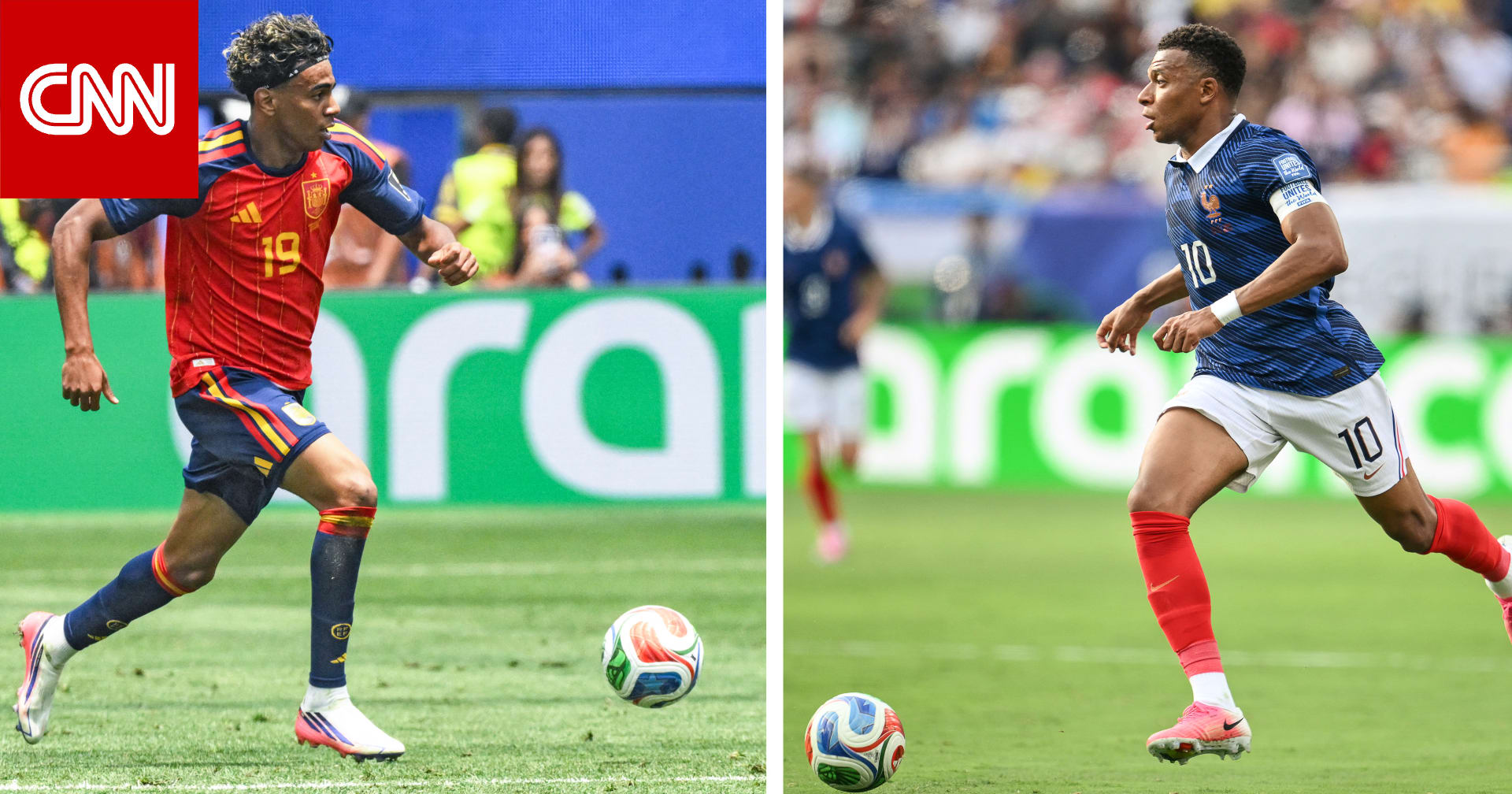
(CNN)-- After the Spanish Matadors strongly and deservedly established themselves as the first finalist in the World Cup following their elimination of France—whom they outperformed in both play and result with two goals, thanks to tactical deception and neutralizing the French 'Les Bleus' weapons—the whole world will be on standby this Wednesday evening.
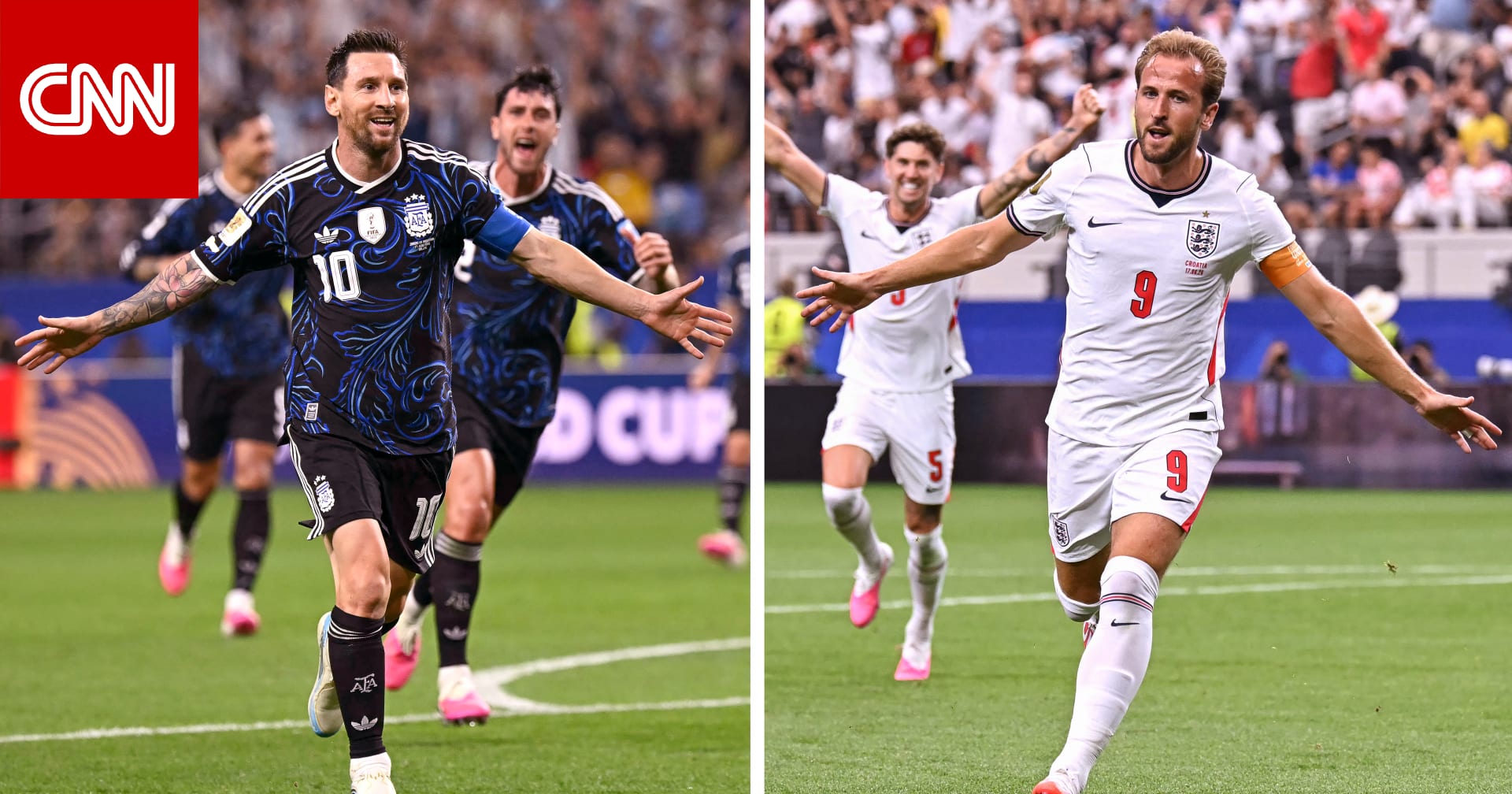
Followers are awaiting the decisive match to determine the second finalist, as the semi-final match takes place between the Argentine Tango team, the defending champion and world No. 2, and the English Three Lions.
The match is generally drawing attention, not only because it is the final step to the championship match and the dream of retaining the title for the Tango team, which would bring them closer to achieving their fourth World Cup in history and becoming only the second team ever to retain the title in consecutive tournaments, as the Brazilian Samba team did in 1958 and 1962.
Furthermore, this match is the final step for the English team to reach the final since they last achieved this feat and won their only world title in history during the 1966 World Cup on English soil.
But above all, the match acquires a sporting and political sensitivity that reaches the level of hostility fueled by historical matches between the two teams. This was evident in the 1966 World Cup after the expulsion of Antonio Rattin, the Argentine player who refused to leave the pitch for 8 minutes, which later led to the innovation of yellow and red cards in the game, implemented starting from the 1970 World Cup, as well as the 1982 'Falklands War' between England and Argentina.
Political tensions between the two countries escalated, as their matches became an expression of this hostility and complex dispute. This was manifested in their World Cup matches, most notably the 1986 World Cup match and Maradona's famous 'Hand of God' goal, and his other goal titled the 'Goal of the Century,' when he dribbled past half the English team to lead his squad to victory in the quarter-finals and then to win the title.
Strangely, the head-to-head World Cup encounters, in which England leads with six wins to three, have been absent for nearly a quarter of a century, as the last match between them took place in the group stage of the 2002 World Cup, ending in favor of England by a single goal.
This Wednesday, the encounter is renewed at a decisive stage after a difficult path for both teams and high hopes for each to reach the final and win the title.
Argentina's path was relatively easier, but their suffering was greater. They won easily against Algeria, Jordan, and Austria, suffered in the Round of 32 against Cape Verde, winning 3-2 after extra time, and saved themselves in the Round of 16 against Egypt with a strange comeback after trailing 0-2 until the 79th minute, albeit in an atmosphere that saw refereeing errors.
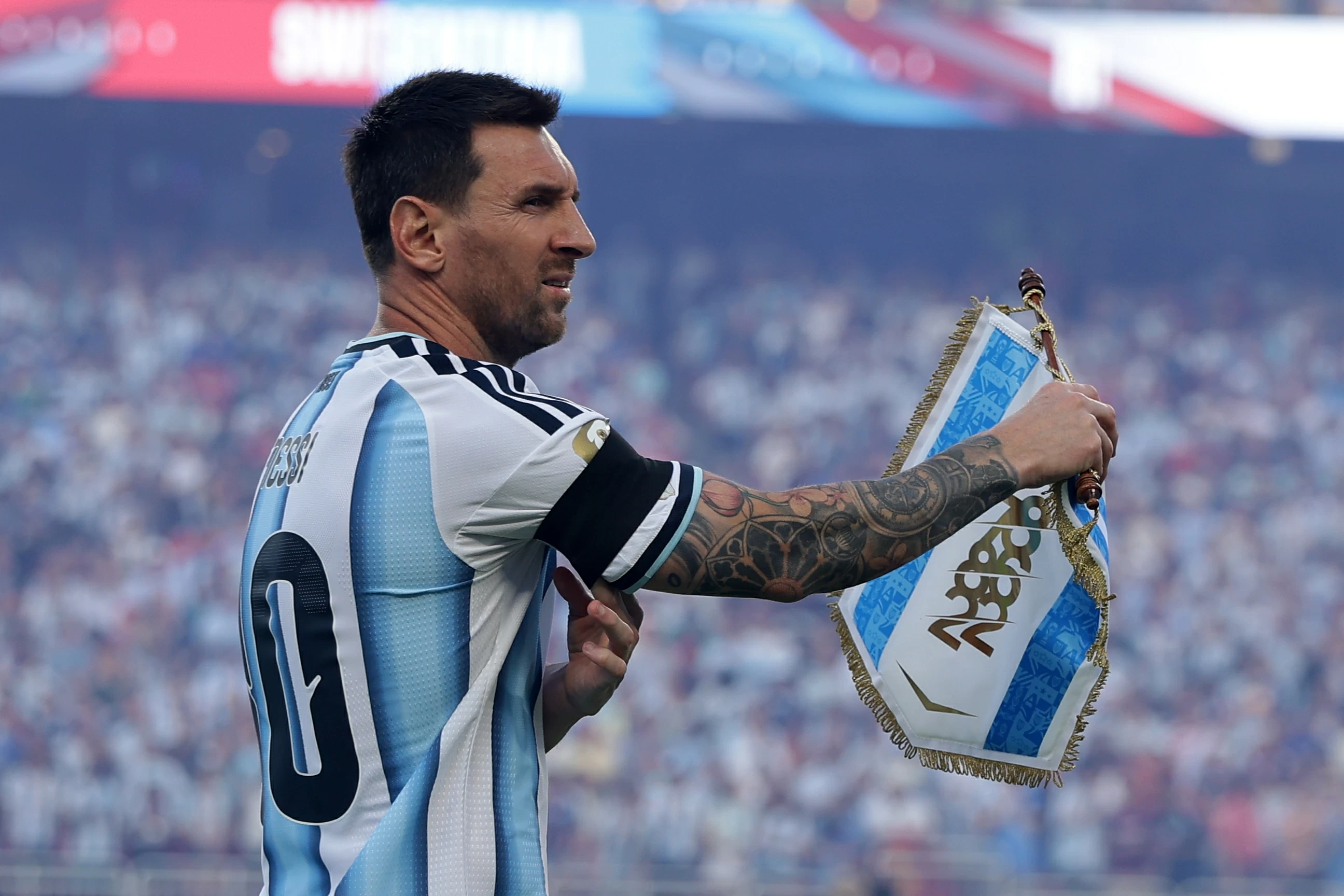
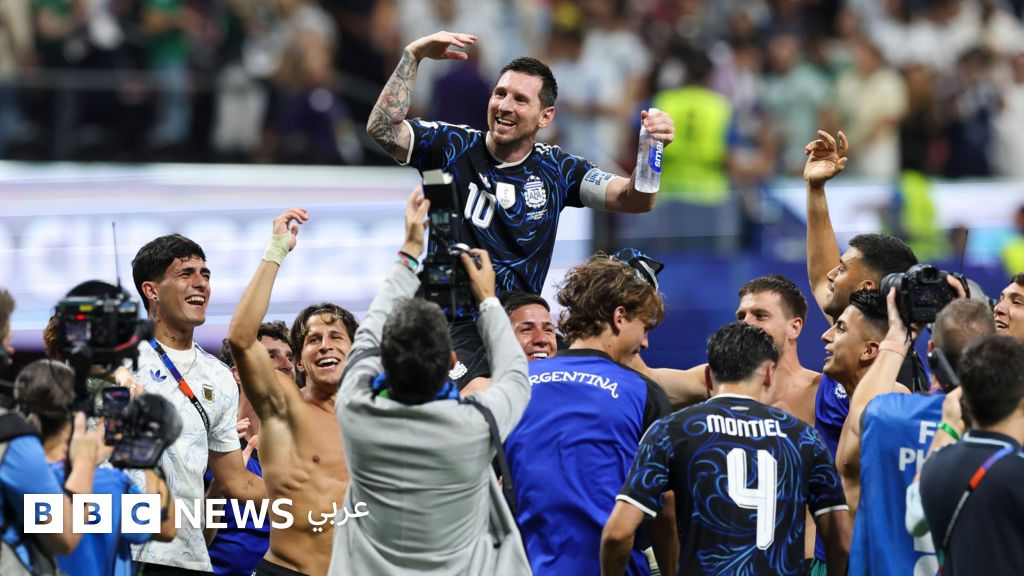
The Tango team advanced to the semi-finals by defeating Switzerland 3-1 in a match not devoid of criticism regarding the refereeing from the Swiss coach. Messi was the magical star as usual for his team, contributing to 10 goals, including 8 that he scored himself, topping the top scorers list alongside Mbappé.
As for the English team, they were distinguished by their collective play and faced fierce encounters against stronger teams, especially when they defeated Croatia 4-2, and struggled in some of their matches against Ghana, with whom they drew goalless, and Congo in the Round of 32.
However, they decisively overcame Mexico on their home soil and the strong Norway team in the quarter-finals. Jude Bellingham and Harry Kane were their best players, each scoring six goals out of the team's total of 13.
I believe the decisive battle between German Thomas Tuchel, the England coach, and Lionel Scaloni, the Argentina coach, will focus on how to limit Messi's danger on one hand and stop the effectiveness of Harry Kane and Bellingham.
Luis de la Fuente, the Spanish coach and hero of the battle to topple France, is watching the match with the intention of preparing another tactical surprise to achieve superiority, deception, and hitting the key playmakers, just as he managed to paralyze the effectiveness of Mbappé, Ousmane Dembélé, and Bradley Barcola, effectively ending the French dream and defeating the strongest team in the tournament with ease.
Original source: CNN Arabic


Comments (0)
Be the first to comment.