Saudi Boxing Team Wins 17 Medals at Braga Open

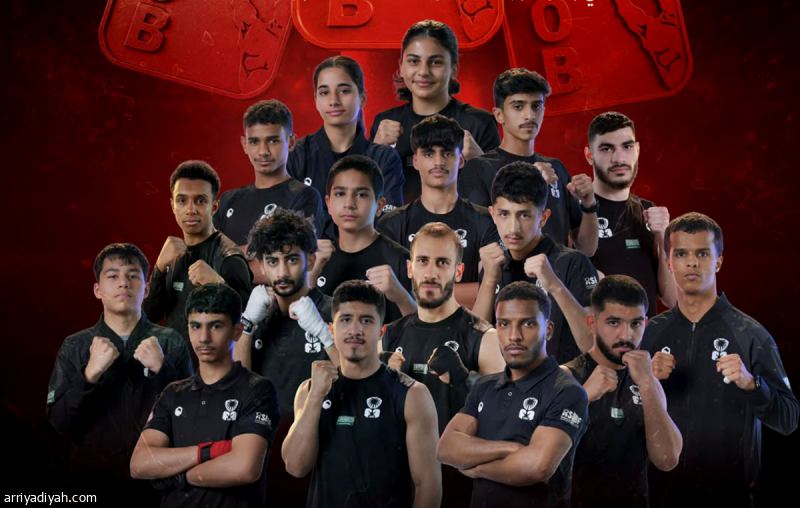
The Saudi boxing team concluded its participation in the 2026 Braga Open Boxing Championship, held in Portugal, achieving 17 medals.
Sources from several clubs in the Saudi League told Asharq Al-Awsat newspaper that the slowdown in approvals for deals under the Elite Player Recruitment Program has led to collapsed contracts in more than one club affiliated with the Ministry of Sports.
This program is part of the Ministry of Sports' efforts to regulate contracts and ensure the financial sustainability of clubs.
According to the governance of the recruitment program, obtaining the program's approval for deals funded through it is a fundamental condition for their completion; the recruitment committee, consisting of five people, does not allow any deal to be completed before it is reviewed and approved.
More than one source in the clubs claimed that the delay in the review process caused the collapse of more than one deal under study, as players did not wait for the procedures to finish and signed with other clubs during the waiting period. The sources also reported that there are a number of deals currently pending with the recruitment committee, despite clubs having completed agreements with all parties, pending the program's approval, amid fears among some clubs that their deals may collapse due to the delay in response from the Elite Player Recruitment Committee.
According to Asharq Al-Awsat sources, the committee studies the financial cost of each deal and prevents clubs from signing with players immediately after agreeing on the fee and salary. Instead, it requests an evaluation of the player in terms of transfer fee and salary, then sets the approved value. If the agreement is lower than the evaluation, it approves it; if higher, it gives the club the option to pay the difference from its own budget or other funding sources, not from the program's budget even if there is a surplus.
Based on Asharq Al-Awsat's inquiry regarding the reported delay in reviewing club requests under the recruitment program, the Saudi Professional League Association stated that there is no delay on the part of the program team in processing requests that meet the requirements, confirming that a club submitting a request for deal approval does not necessarily mean approval will be issued; all requests are subject to review based on the documents and financial and contractual information provided by the club.
The Association clarified that the approved procedures are clear to clubs, and that completing the requirements and submitting the necessary documents and information is the club's responsibility, and the program cannot be held responsible for any delay or failure resulting from the club not meeting the approved requirements.
The Association also pointed out that the movements of most clubs during the current transfer period are proceeding normally and without disruption, confirming that the procedures do not pose an obstacle for clubs that meet the requirements.
The Association stressed that these procedures were put in place to protect clubs and ensure the soundness of their contractual decisions, after previous experiences showed the need for clearer controls to prevent clubs from undertaking unstudied financial commitments, thereby ensuring their financial sustainability and maintaining fairness among all clubs.
Special sources confirmed to Asharq Al-Awsat that the Spaniard Jesus Arroyo, advisor to the CEO of the Saudi Professional League Association, has taken over the management of the program, succeeding Aminalo, who left the Saudi Professional League Association.
During the current summer transfer window, Saudi Roshn League clubs have completed 28 official deals, while seven clubs have yet to announce any deal so far: Al-Nassr, Al-Shabab, Al-Ettifaq, Neom, Al-Hazem, Al-Fateh, and Abha.
While the League Association confirms that the procedures are clear and do not cause delays, sources indicate that some clubs face difficulties in completing the requirements. So far, league clubs have completed 28 deals, while seven clubs have not announced any deal, reflecting a disparity in the pace of signings. The question remains about the effectiveness of these controls in achieving a balance between protecting clubs and contractual flexibility.
Original source: Asharq Al-Awsat



Comments (0)
Be the first to comment.