The 'Green': A Faded Appearance and Expected Disappointment!
Najib Yamani
The 'Green': A Faded Appearance and Expected Disappointment!
6 July 2026 - 00:07 | Last updated 6 July 2026 - 00:07
--:--
Follow Okaz channel on WhatsApp
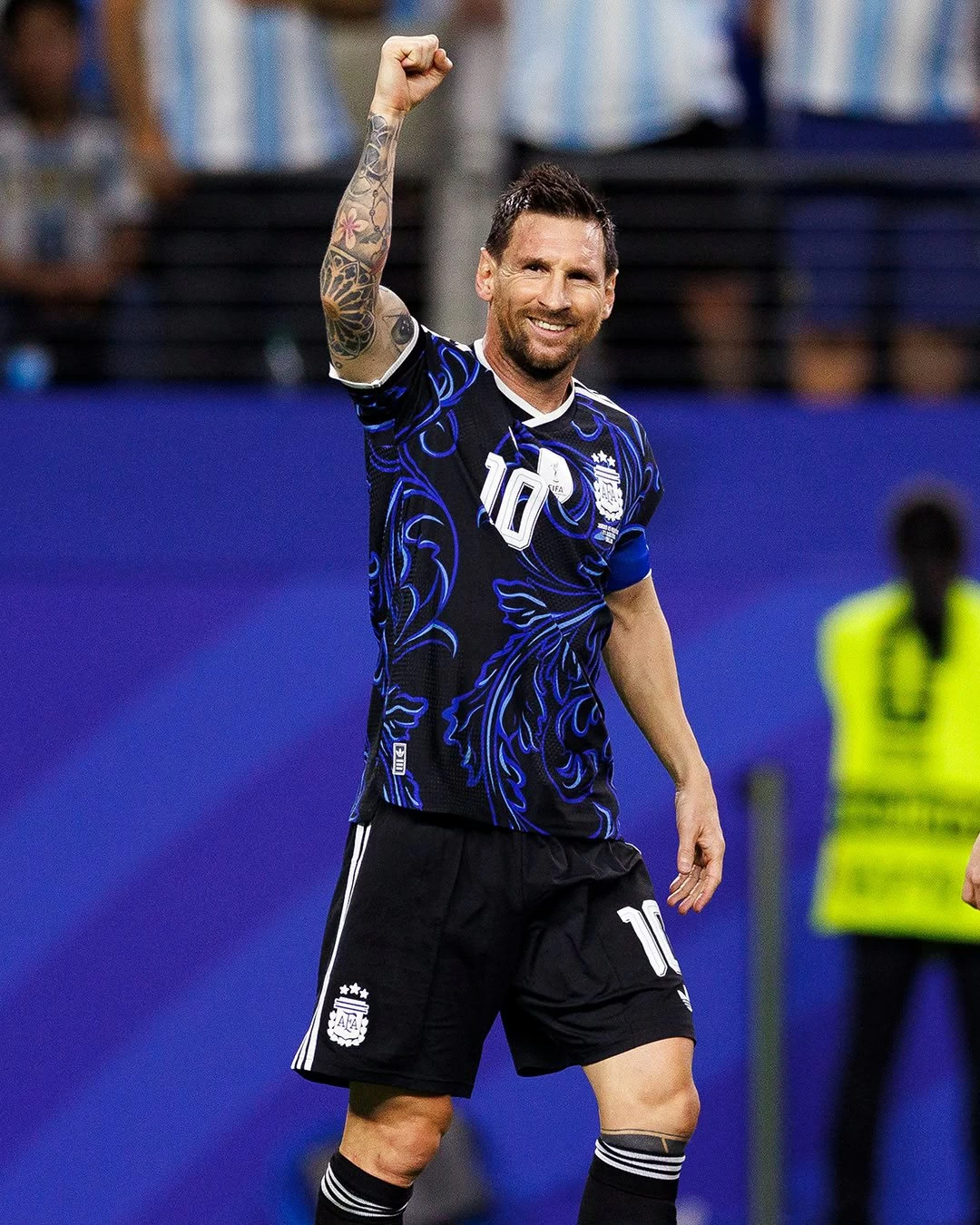
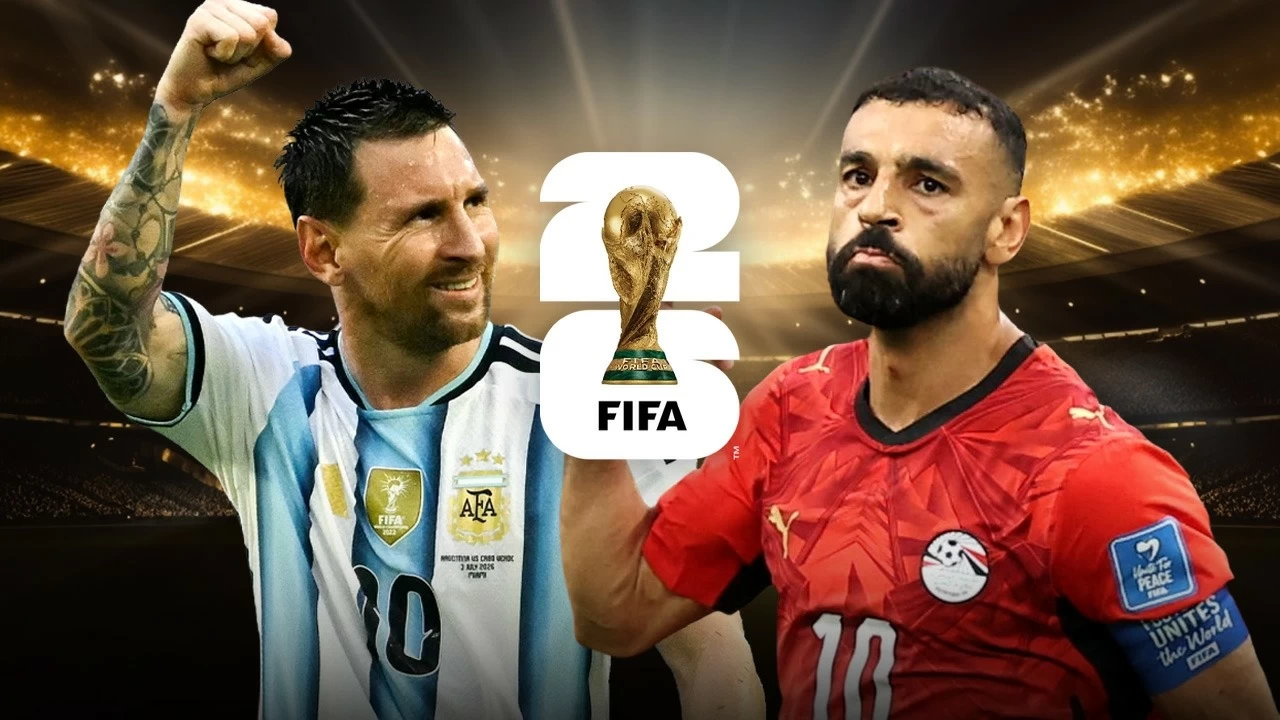
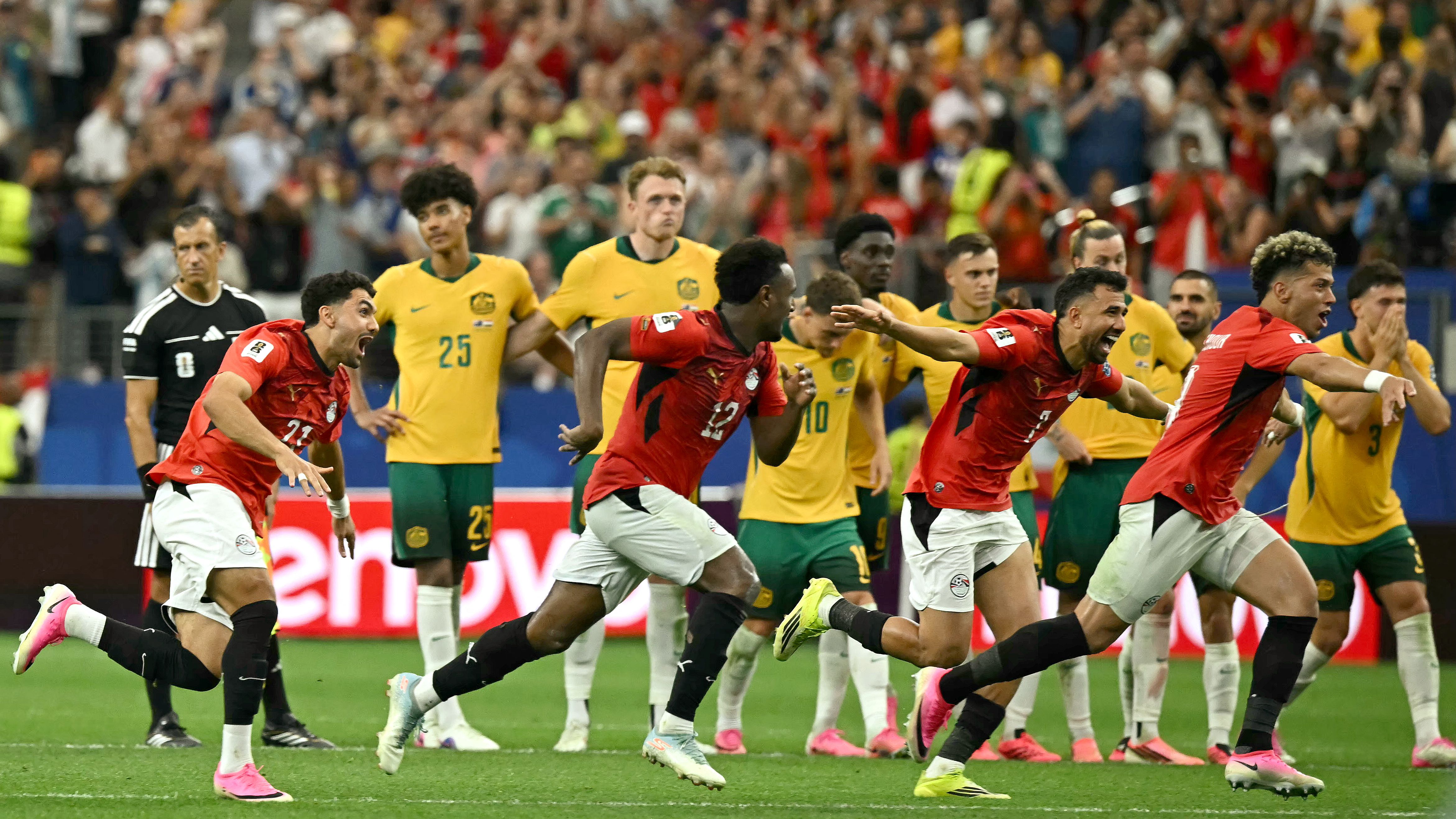
As much as our pride grows in the remarkable results presented by the Moroccan and Egyptian national teams in the 2026 World Cup, feelings of disappointment and anguish about the meager participation of our national team also intensify, which is not at all commensurate with the 'Green's' seven previous participations, nor with the available financial resources, nor with its reputation in international forums. It is even more painful that the 'Green' finished last in its group, being outperformed by a team considered a 'first-time World Cup' participant, the Cape Verde national team, which has less experience and weaker resources, from a country classified among the poor nations. What's worse is that the 'Green' only needed one win to advance to the knockout stage (Round of 32), but unfortunately failed to achieve that, returning home and erasing the reputation it had left behind in the Qatar World Cup.
Beyond the immediate 'reaction' that accompanied the bitter exit and the resignation of the President of the Saudi Football Federation, it is necessary to go deep to investigate the essential reasons that led the 'Green' to this deplorable state. It is not fair to pin this 'disappointment' and shift it to one party, and be assured that we have found the solution and found the right path. The reality clearly indicates an accumulation of a series of mistakes and catastrophic reasons that went without treatment, and their logical outcome was what ended us up with this inevitable result.
In my view, the major shift in the composition of the Saudi Professional League, by increasing the number of foreign professionals three years ago, specifically in December 2023, to 10 players, cast its heavy shadow and had an undeniable impact as the main reason for the current state of our national team. With this large number of players, unprecedented in the league, it opened the way for clubs to attract whomever they want in all positions, from goalkeeping to attack and defense, according to their capabilities and financial means, and the support they receive from the Ministry of Sports.
It is natural for the Saudi player not to find his basic place in the starting lineup that plays matches, which would hone his talent, raise his sensitivity in dealing with competitive matches, and enable him to compete and appear in a manner befitting the amount of attention and effort he receives.
Some may see this situation as putting the Saudi player before the challenge of proving himself to be worthy of participation. This statement carries some validity, but it contradicts itself at the same time. How can a club spend millions of dollars on a foreign player to keep him on the bench? It is natural that the foreign player, brought in for amounts exceeding the national player, is the coach's favorite and preferred in the lineup to implement his requests. This is what we have noticed over the past three seasons: the decline in participation of the national element at the expense of the foreigner. The result is the 'atrophy' of Saudi talent on the fields, even its disappearance.
That is why we saw the former coach of the 'Green,' Hervé Renard, floundering in his selection of players: adding and dropping, summoning and excluding, experimenting and comparing. This was his approach, with only two months left until the World Cup. It was natural to be dismissed, given his preparatory experiments and the 'Green's' loss of its distinctive technical identity. That was a necessary treatment, but it was too late, despite voices raised early about the seriousness of the situation and the futility of summoning Renard. Resorting to Donis was not much better, due to the short time period; he could not find a harmonious blend. The result was a random participation in all its details, with personal efforts inside and outside the field, unrelated to modern football built on strategies, plans, schools, and academies working on a continuous approach with a forward-looking vision beyond immediate occasions, looking much further.
We have in the experience of Japan in Asia, and Morocco and Egypt in the Arab world and Africa, the example that must be read carefully, with the brilliant results we have seen in the performance presented and the technical identity showed in this World Cup and others.
It suffices that the Japanese team Gamba Osaka, which snatched the AFC Champions League Two from Al-Nassr at Al-Awwal Park, only had three foreign players in the final match, while Al-Nassr had more than double that number or more, and lost the title.
The increase in the number of foreign players in the Saudi Professional League is the primary responsibility for the state of the 'Green.' The situation will not be rectified unless this matter is addressed in a way that achieves the desired benefit from the increase and its repercussions.
Although the extensive participation of foreign elements in the Saudi League has positive aspects, it has raised the league's stock in the global followership and viewership exchange, increased its popularity in international media, and became desirable for foreign players, given the technical and financial return far exceeding what they get in European leagues, especially. This is an important and necessary target given the Kingdom's preparation to host the World Cup in 2034.
Since it is difficult to retreat from this number, we must go to logical solutions that guarantee the participation of the Saudi player and his refinement for the benefit of the national team through his club. For example, legislation can be enacted mandating all Saudi players to play a specific number of minutes in league matches, or creating a parallel league where participation is limited to Saudi elements only, and rewarding the winner with an additional seat in Asian competitions.
Instead of selecting that from the ranking of clubs in the Professional League, participation in the King's Cup can be limited to Saudi elements only.
All these treatments and others can be subject to study, to which stakeholders, practitioners, and experts should be called, and go far in finding a sports system that saves our 'Green' from this deplorable state it has reached.
As much as our pride grows in the remarkable results presented by the Moroccan and Egyptian national teams in the 2026 World Cup, feelings of disappointment and anguish about the meager participation of our national team also intensify, which is not at all commensurate with the "Green's" seven previous participations, nor with the available financial resources, nor with its reputation in international forums. It is even more painful that the "Green" finished last in its group, being outperformed by a team considered a "first-time World Cup" participant, the Cape Verde national team, which has less experience and weaker resources, from a country classified among the poor nations. What’s worse is that the "Green" only needed one win to advance to the knockout stage (Round of 32), but unfortunately failed to achieve that, returning home and erasing the reputation it had left behind in the Qatar World Cup.
Original source: Okaz

Comments (0)
Be the first to comment.