The New Football Association: Global Ambition and Justice as a Demand - Mohamed bin Abdullah Al-Atiq

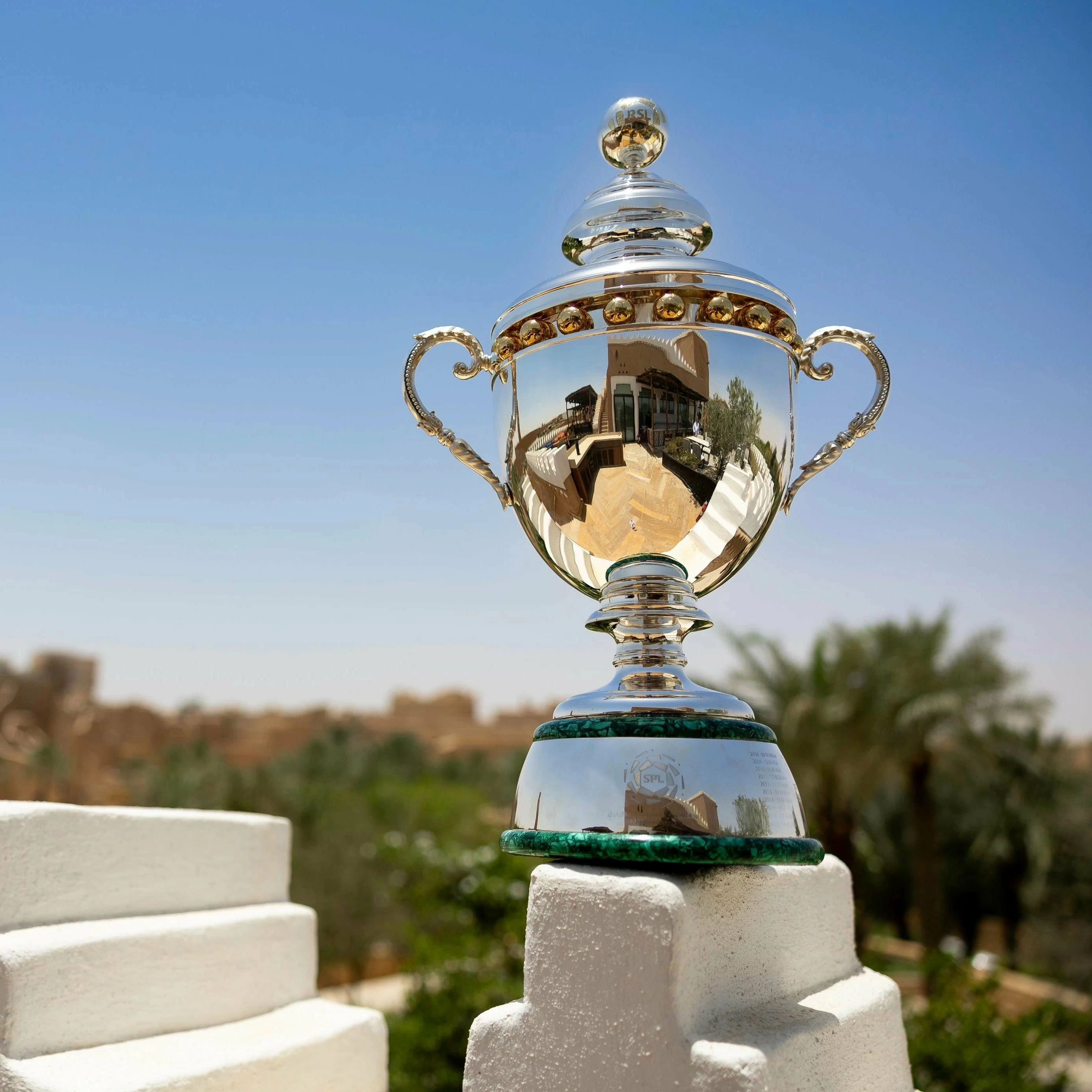
Saudi sports are today living an exceptional phase by all measures, thanks to the great support they receive from the wise leadership and the massive investments that have contributed to developing sports infrastructure and attracting elite stars from around the world, to the extent that the Saudi League has become the focus of attention of fans and media across continents. Moreover, the Kingdom's hosting of the 2034 World Cup represents a historic milestone that confirms the status Saudi sports have reached, but at the same time imposes a double responsibility on all those in charge of the sports system.
Because ambition has become global, justice must also be global. No league can compete with the world's top leagues if competition is not based on fairness and the application of rules to everyone without exception or discrimination. Stars create excitement, investments create strength, but justice creates trust, and trust is the real capital of any tournament.
With the upcoming elections for the Saudi Football Federation approaching, attention is turning to a new phase where change is not limited to individuals but extends to developing the entire work system, foremost of which are the committees that represent the backbone of competition, such as the Referees Committee, the Disciplinary Committee, and the Competitions Committee. These committees are required to work with complete independence and be equidistant from all clubs, away from any pressures, influences, or biases.
Justice does not mean pleasing everyone; it means applying the system to everyone. Whoever seeks fair competition will rejoice in any just decision, even if it goes against his club, because he knows that justice is the real guarantee of the competition's success. As for those who seek exceptions or hope that decisions tilt in favor of their team or players, no system will satisfy them, because their goal is not justice but achieving gains at the expense of others, and this does not serve sports or its future.
Today, the Saudi League is under the world's gaze, and every decision issued is subject to monitoring and analysis. In the era of live broadcasting and social media, the truth is no longer exclusive to a media report or a newspaper article; everyone watches events moment by moment and can judge the fairness and transparency of decisions. Therefore, any disparity in the application of regulations directly reflects on the league's image and reputation.
Hence, the application of FIFA regulations must be the foundation on which all decisions are built, whether in discipline, refereeing, or competitions, without interpretations that may open the door to speculation or raise doubts. The law does not know the name of the club, its fan base, or the strength of its media presence; it only knows the incident.
It is not permissible to punish a club because it has less media or fan presence while overlooking another club that has greater media or fan influence. The mistake is the same, and the penalty must be the same. When everyone feels that the system is applied to everyone without discrimination, trust in the federation and its committees will increase, and this will reflect positively on the reputation of the Saudi League domestically and internationally.
The same applies to players: no player, no matter how famous, talented, or popular, should be above the system. Whoever makes a mistake must be held accountable, and whoever violates the regulations must have the penalty applied to him, just as it is applied to others. Equality before the system is what gives competition its value and makes sporting achievement fully deserved.
As for refereeing, it is one of the most important keys to the success of any professional league. Therefore, the responsibility of the Saudi Federation is not limited to selecting and training referees, but also includes providing an environment that enables them to perform their work with confidence and independence, away from media, fan, or administrative pressures. On the other hand, a referee proven to have made influential errors must be subject to accountability and evaluation, and the Referees Committee must announce necessary measures with full transparency to ensure the development of the system and protect its integrity.
Moreover, protecting referees does not mean opening the door to insulting them or questioning their integrity through media platforms and social media. Objecting to decisions has its official channels, but transgression and abuse must be met with a clear system and deterrent penalties that preserve the dignity of the competition and protect its workers.
The Disciplinary Committee is also required to be a symbol of neutrality and justice, not differentiating between a big club and a small one, nor between an official with media influence and one without. The regulations were set to be applied to everyone, and any exception loses their prestige and weakens the sports community's trust in them.
Reaching the ranks of world leagues is not achieved by attracting stars alone, but rather when everyone feels that the champion was crowned because he was the best on the field, not because he benefited from an exception, favoritism, or an unfair decision. Only then will the value of the tournament increase, and the respect of fans, investors, and global media for the Saudi League will grow.
The upcoming phase represents a real opportunity to build a stronger and fairer system, in which the system is the only reference, justice is above all, and the public interest is above any consideration. Only with this approach will we maintain the status that Saudi sports have reached and give the Saudi League the respect and trust it deserves, making it truly one of the elite world leagues, not only for the stars it has, but for the justice, integrity, and professionalism it offers.
Arabs and the peoples of the Middle East
Original source: Al-Jazirah

Comments (0)
Be the first to comment.