The World Cup… Goals Against Racism

The following lines are not about football and its techniques, nor about the different levels of the 48 teams participating in the current World Cup.
Nor about refereeing errors and VAR rooms, nor about US President Donald Trump's intervention to cancel a red card. Instead, the focus is on a specific point: the increase in the number of dark-skinned players in European teams, particularly, and Western teams in general, dealing a severe blow to racist and far-right currents in the West.
Isn't it strange that most players of some European teams are now dark-skinned, winning many titles for them, while some citizens of these countries are extremely racist? Doesn't this paradox strike the racist theory at its core?!
This topic is not new, but it has become very noticeable in recent years.
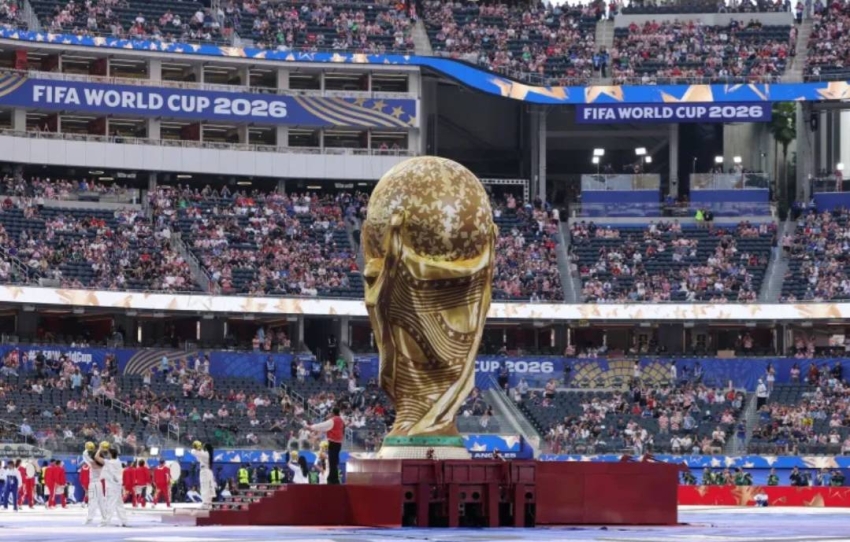
And it became even more evident in the current World Cup.
France, for example, entered the current World Cup with 21 players of African origin, England with 15, and Germany with nine. This is common in many European teams, to the extent that one football commentator said sarcastically: 'What we are watching now in America, Canada, and Mexico is not the World Cup we always knew, but the Africa Cup of Nations!'
The number of players participating in the current World Cup is about 1,248, with 156 players in African teams, most of them dark-skinned.
Estimates by sports researchers indicate that the number of dark-skinned players could reach 450, a percentage of 36%, or one-third of participants. However, this estimate remains unofficial because FIFA does not classify teams based on color and skin.
According to data and statistics from major European clubs, there are 14 dark-skinned players in Paris Saint-Germain (55%), 15 in Chelsea (roughly the same percentage), 11 in Manchester City (40%), 9 in Real Madrid (20%), 6 in Bayern Munich (20%), and roughly the same percentage in Borussia Dortmund, Atlético Madrid, Inter Milan, Juventus, Benfica, Porto, and Salzburg.
The overall percentage of dark-skinned players ranges from 28% to 35% in major European clubs, and it is higher in French, English, Belgian, and Austrian teams.
The majority of these players were either born in European countries as second or third generation immigrants, or obtained their citizenships due to their impressive football skills.
As is well known, the year 1998 was a major shock to the racist current in France, which has witnessed and continues to see a clear presence of nationalist populist right-wing movements, especially the National Front party that demands the expulsion of immigrants. But the biggest blow to this party and its like came when the French national team won the 1998 World Cup, with the majority of players being of African or Caribbean origin, including Zinedine Zidane, Lilian Thuram, Patrick Vieira, and Thierry Henry.
French extremists who adopted the slogan of expelling immigrants were shocked that it was essentially these black players who brought them victory.
This very important example in France after 1998 became a symbol of the debate on identity and integration in France and the West. Every time right-wing propaganda against immigrants and dark-skinned and colored people intensifies, white populations in these countries are confronted with the fact that dark-skinned players are the reason for their happiness and the achievement of titles, whether in clubs or national teams.
In 1998, some said that Zinedine Zidane and his teammates knocked out Jean-Marie Le Pen and scored a historic goal against French extremism. But the truth is that the extremist current continued in Europe and achieved good results in several European elections.
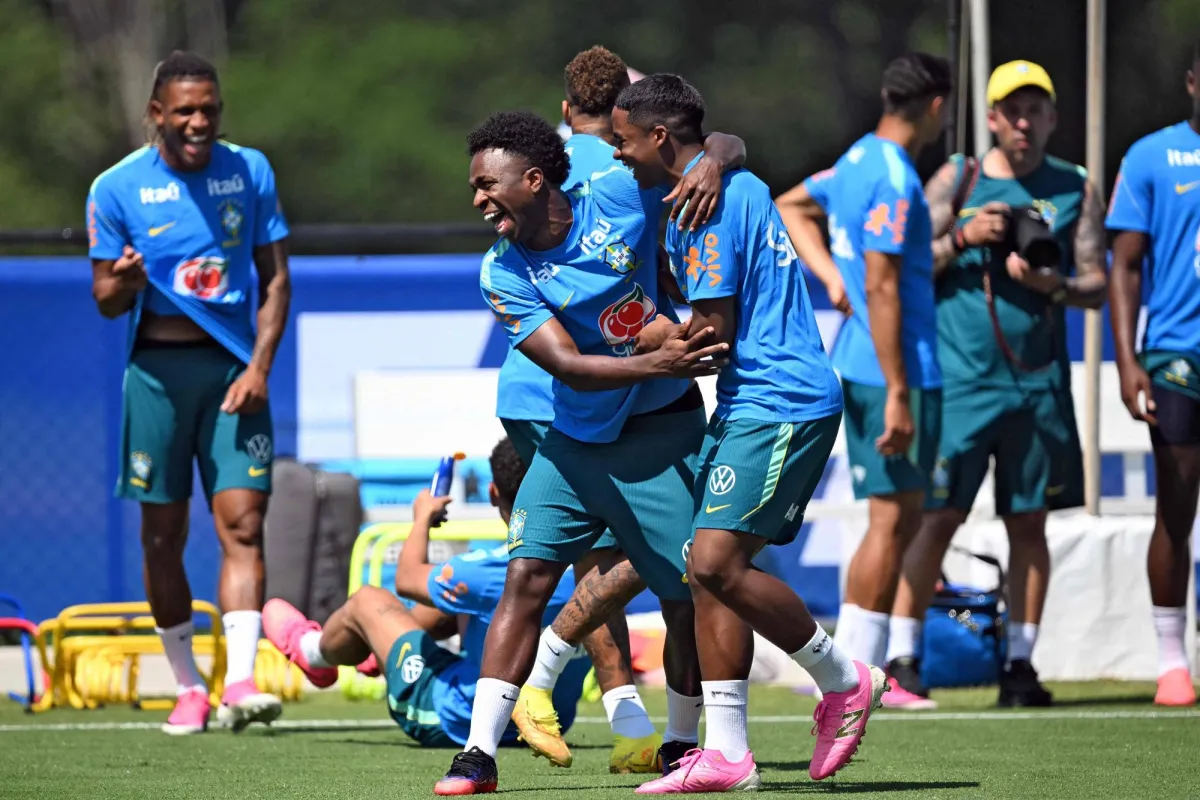
Another important piece of evidence is that racist chants in stadium stands continue against black players, including, for example, Real Madrid's Brazilian player Vinícius Júnior, who is constantly subjected to abuse from European audiences, and even from white-skinned players.
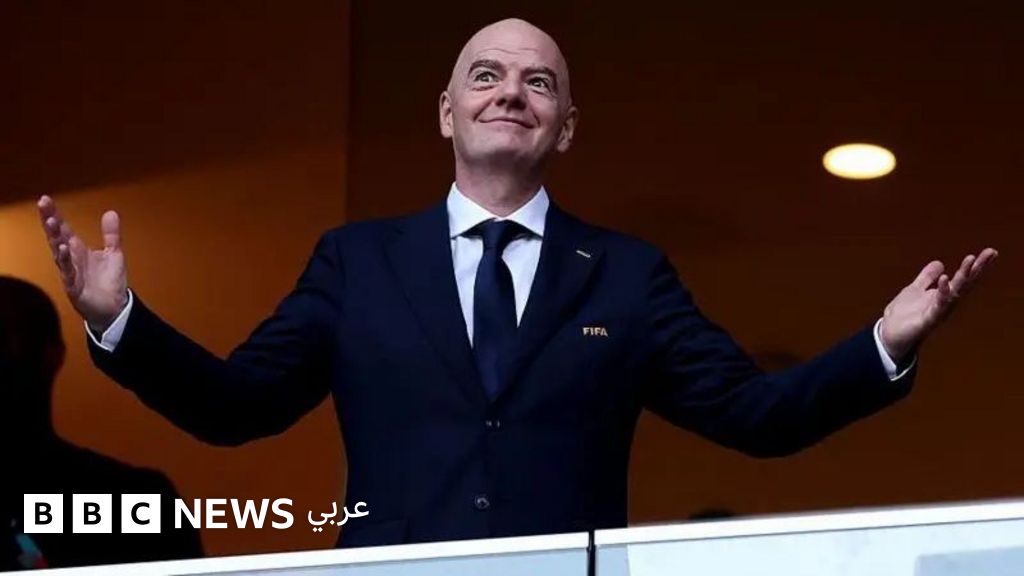
This bullying prompted FIFA to issue what is called the 'Brestyali' law, the rule of which is: 'If you have nothing to hide, do not hide your mouth while speaking with opponents.'
This rule was actually applied for the first time in the current World Cup, and Paraguay player Miguel Almirón was sent off when he hid his mouth while speaking with Turkish player Mert Müldür.
It is clear that racism will not disappear overnight from European stadiums, but what is certain is that it has received painful blows from the feet of dark-skinned players in these stadiums, who have sent an important message through their feet and heads, the essence of which is that merit, excellence, competence, superiority, and distinction come through effort, sweat, diligence, and learning, not by skin color.
Quoted from Al-Bayan
Advertisement
Advertisement
Disclaimer: All published articles represent the opinion of their authors only.
Original source: Al Arabiya

Comments (0)
Be the first to comment.