The Young 'La Roja' Follow in the Footsteps of the 2010 Pioneers and Claim Their Second Title
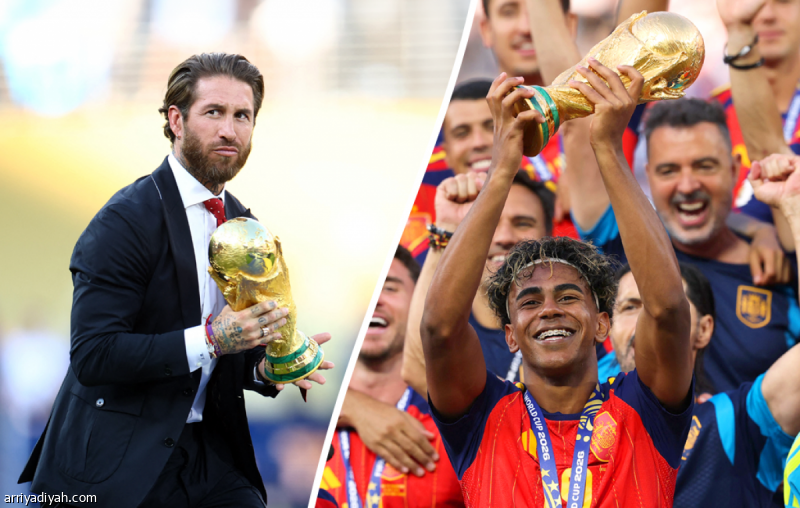
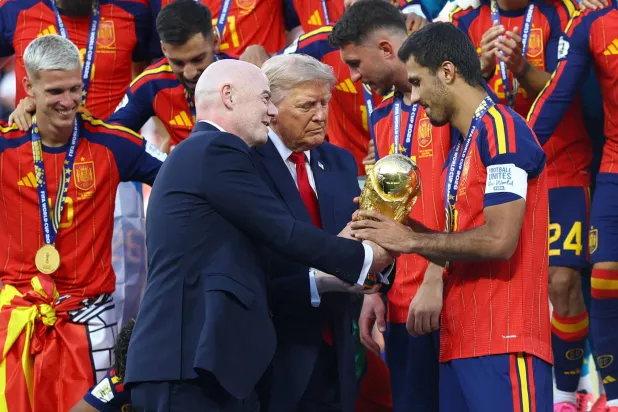
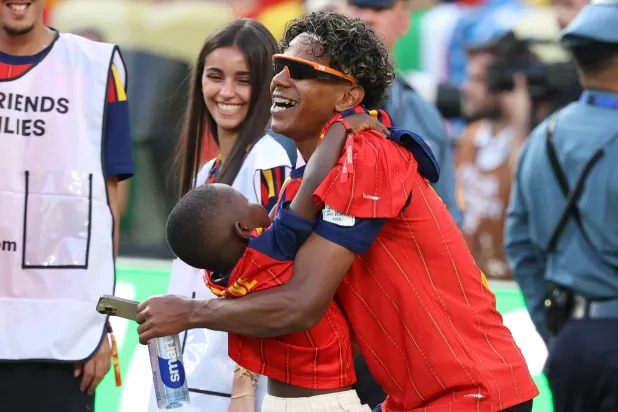
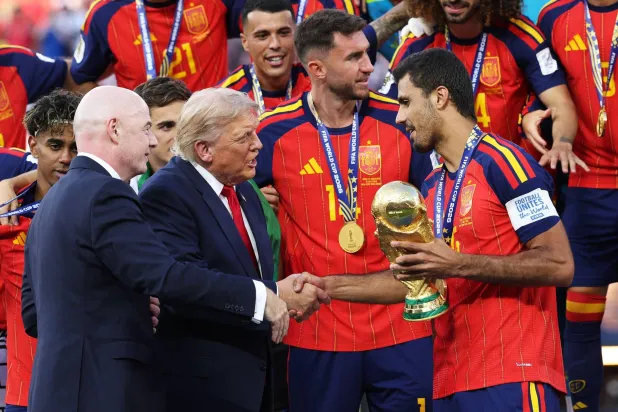
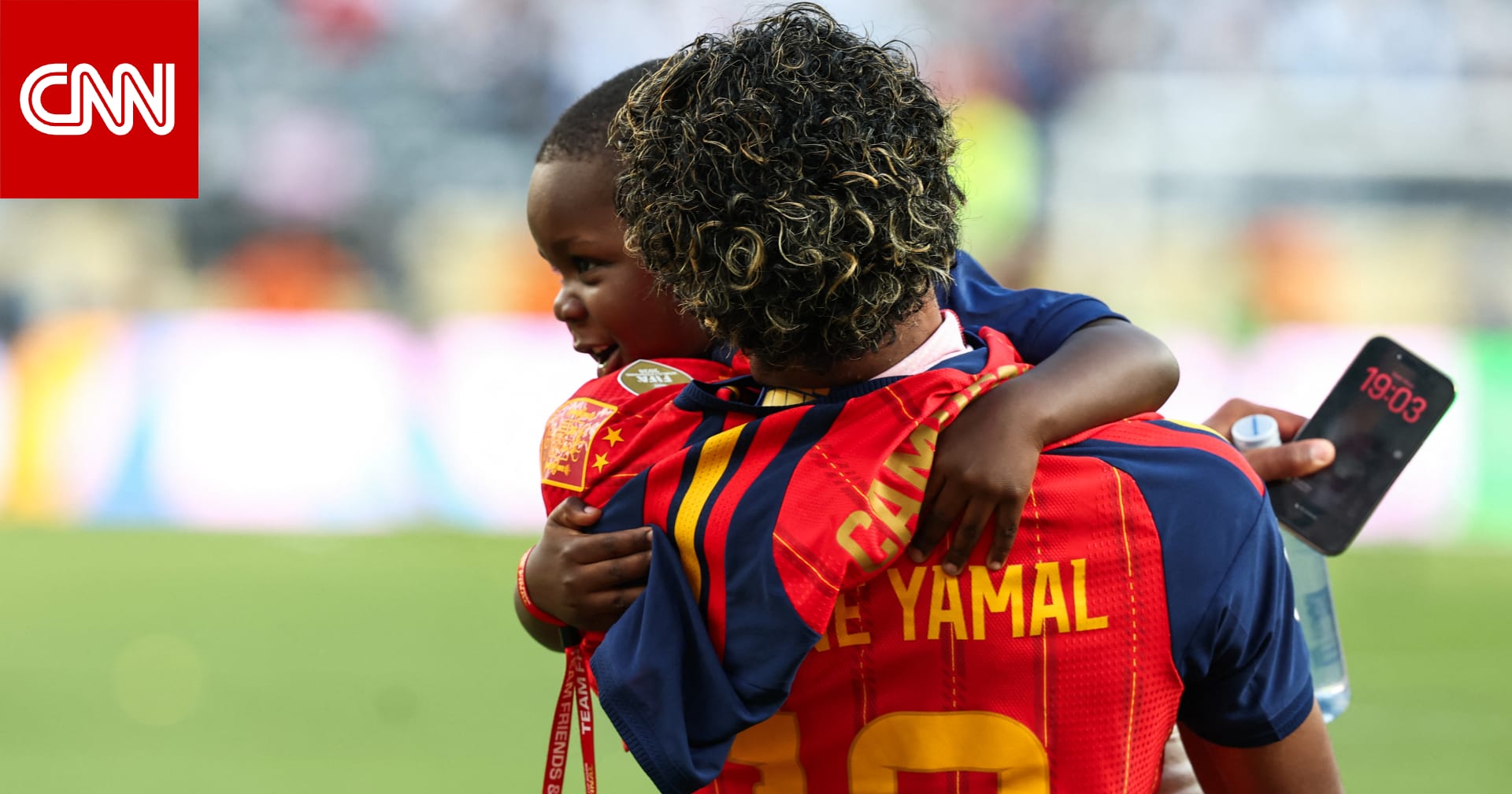
After being crowned world champions on Monday morning with a 1-0 victory over Argentina, two years after winning the European Championship, the young Spanish national football team, led by Lamine Yamal, Rodri, Dani Olmo, and their teammates, have written a new chapter in 'La Roja' history, following the path of the legends who first won the title in 2010. Just as their predecessors led by Andrés Iniesta and Xavi did—winning the first World Cup in Spanish history after their 2008 European Championship triumph—Luis de la Fuente's players have achieved a rare double. Previously, only West Germany (1972-1974) and France (1998-2000) had accomplished this feat in Europe, before the Spaniards did it 16 years ago, opening the door to the dream of extending this dominance, much like that golden generation which continued its reign by winning the 2012 European Championship to complete an unprecedented treble. De la Fuente himself said before the World Cup: 'I see some similarities with the group that won in 2010,' in a tournament where his team implemented some of the recipes that led to the victory in South Africa. In their show of force against France in the semi-finals (2-0), the Spanish provided a masterclass in collective control, led by a midfield capable of denying opponents the ball for long periods of possession before delivering the decisive blow in a flash. Thanks to this approach, the Spanish team left no chance for the French side and their fiery attacking trio of Kylian Mbappé, Ousmane Dembélé, and Michael Olise, as they conceded almost no clear shots and finished the match with a modest expected goals (xG) metric of only 0.3. In the final against Argentina, the Spaniards again held more than 65 percent possession, while the passing statistics also reflected a massive gap (852 passes to 464). Throughout eight World Cup matches, 'La Roja' conceded only one goal, against Belgium in the quarter-finals (2-1), an achievement that surpasses even the 2010 generation, which conceded two goals in seven matches. However, the tempting comparisons between the two generations have their limits; the current Spain has not yet reached the level of the legendary duo of Xavi and Iniesta, but it leans more toward attacking play to leverage the speed of its stars, Yamal and Nico Williams. Injuries, however, limited the impact of the pair, as both the Barcelona talent and the Athletic Bilbao winger were less prominent in this World Cup compared to the European Championship, where Yamal played a decisive role in the semi-final (one goal) and the final (one assist).
The 2010 experience warrants caution. After its historic treble of European Championship, World Cup, and European Championship, the Spanish national team did not win a single knockout match in the World Cup until 2026 (they were eliminated in the group stage in 2014, and in the round of 16 in 2018 and 2022). The style that won everyone's admiration, based on intensive passing, sometimes relies on a delicate balance, and during the lean years, it devolved into a caricature, with lateral play unable to create differences. Luis de la Fuente's men also faced this challenge from their first match in the North American World Cup, when they drew goalless against the modest Cape Verde team. The final highlighted the lack of efficiency among Spanish attacking talents: 20 shots, 12 of which were on target, resulted in only one goal (although the Argentine net was shaken twice more, with goals disallowed by the referee for offside or a previous foul). 'La Roja' must also pay attention to the physical condition of some key elements, such as Fabián Ruiz (30), Mikel Oyarzabal (29, who scored five goals in this edition), and Rodri (30), the 2024 Ballon d'Or winner and best player of the 2026 World Cup, who suffered from recurring injuries. The next date will be in 2028 in Britain and Ireland, the co-hosts of the European Championship, to see if the heirs of the 2010 generation can rise to the same level, before dreaming four years later of a World Cup on home soil, co-hosted with Portugal and Morocco.
Original source: Arriyadiyah
Comments (0)
Be the first to comment.