From "Riz" to "Dilulu".. How Did "Youth Language" Turn into a Billion-Dollar Business?
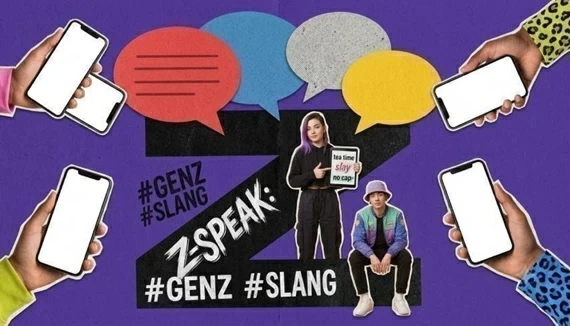
If you felt at first that words like "riz," "dilulu," and "sigma" sound like magical codes or an incomprehensible foreign language, you're not alone. These terms are part of a "parallel language" crafted by the members of "Generation Z" (Gen Z) within the digital world. However, the strange part is not the invention of these words, but the terrifying speed at which they have emerged from phone screens and closed chats to invade prestigious global dictionaries like "Oxford," transforming into a major driver for marketing campaigns worth billions of dollars! Algorithms.. The secret kitchen of fast language Over the past decades, were…
If you felt at first that words like "riz," "dilulu," and "sigma" sound like magical codes or an incomprehensible foreign language, you're not alone. These terms are part of a "parallel language" crafted by the members of "Generation Z" (Gen Z) within the digital world. However, the strange part is not the invention of these words, but the terrifying speed at which they have emerged from phone screens and closed chats to invade prestigious global dictionaries like "Oxford," transforming into a major driver for marketing campaigns worth billions of dollars!
Algorithms.. The Secret Kitchen of Fast Language
Over the past decades, youth generations have been inventing their own language to differentiate themselves from their parents; a word like "cool" took many years to establish its presence since the 1940s and become part of everyday vocabulary.
However, the digital environment in which Gen Z breathes has completely changed the rules of the game, as vocabulary no longer needs years to spread. Instead, the algorithms of "TikTok" and "Instagram" can transmit a single word to billions in just a few hours through challenges and cross-cut audio clips. This instantaneous flow is backed by billions of active users monthly, making a term emerge and sweep the world, only to disappear in the blink of an eye to make way for a new term.
But the greatest paradox lies in the transformation of these words from mere digital jokes to fierce economic tools; major companies no longer observe these terms with curiosity but have started to incorporate "riz" to express personal appeal, "dilulu" to describe unrealistic expectations, and "NPC" to refer to stereotypical characters in their official advertisements.
This marketing shift comes in recognition of the growing purchasing power of a generation that represents a quarter of the world's population, exceeding two billion people, with projections that their purchasing power will surpass $12 trillion by 2030. Amid the growth of the influencer marketing market to tens of billions, and global dictionaries like "Oxford" and "Merriam-Webster" opening their doors to include words like "brain rot" and "simp," the language of youth has become an integral part of the global economy and contemporary language.
A Digital Identity and Generational Gap.. How Do We Understand the Phenomenon?
These terms go beyond being mere communication tools; they become a means for the youth of this generation to build a digital identity that distinguishes them and reflects their values based on brevity, self-deprecation, and a passion for the gaming world.
Moreover, the difference in language between children and parents is a natural occurrence that has repeated throughout history, but it only turns into a real gap when family communication bonds weaken. Therefore, the solution lies in flexibility and treating these terms as an entry point to explore the digital world of children rather than rejecting or mocking them.
Original source: Okaz






Comments (0)
Be the first to comment.