Gulf Education Office Discusses Artificial Intelligence and Education for People with Disabilities in Its 96th Session

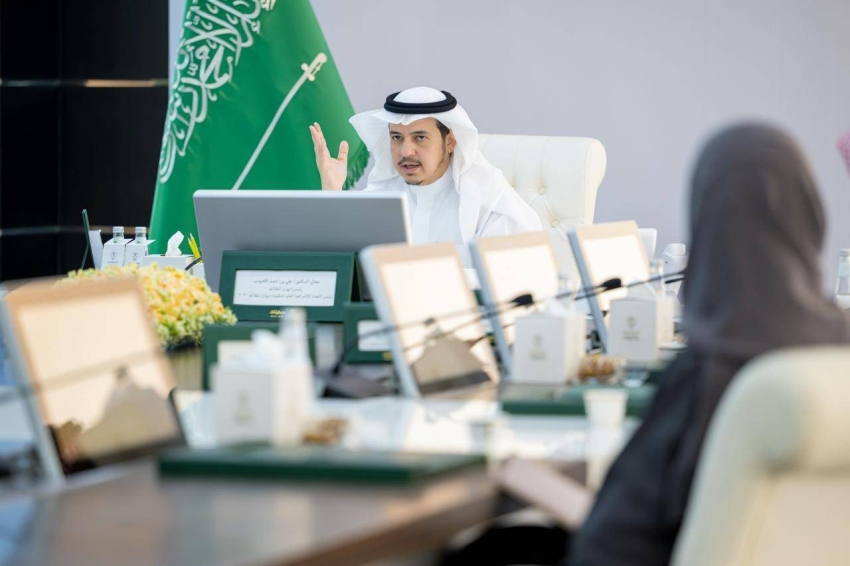
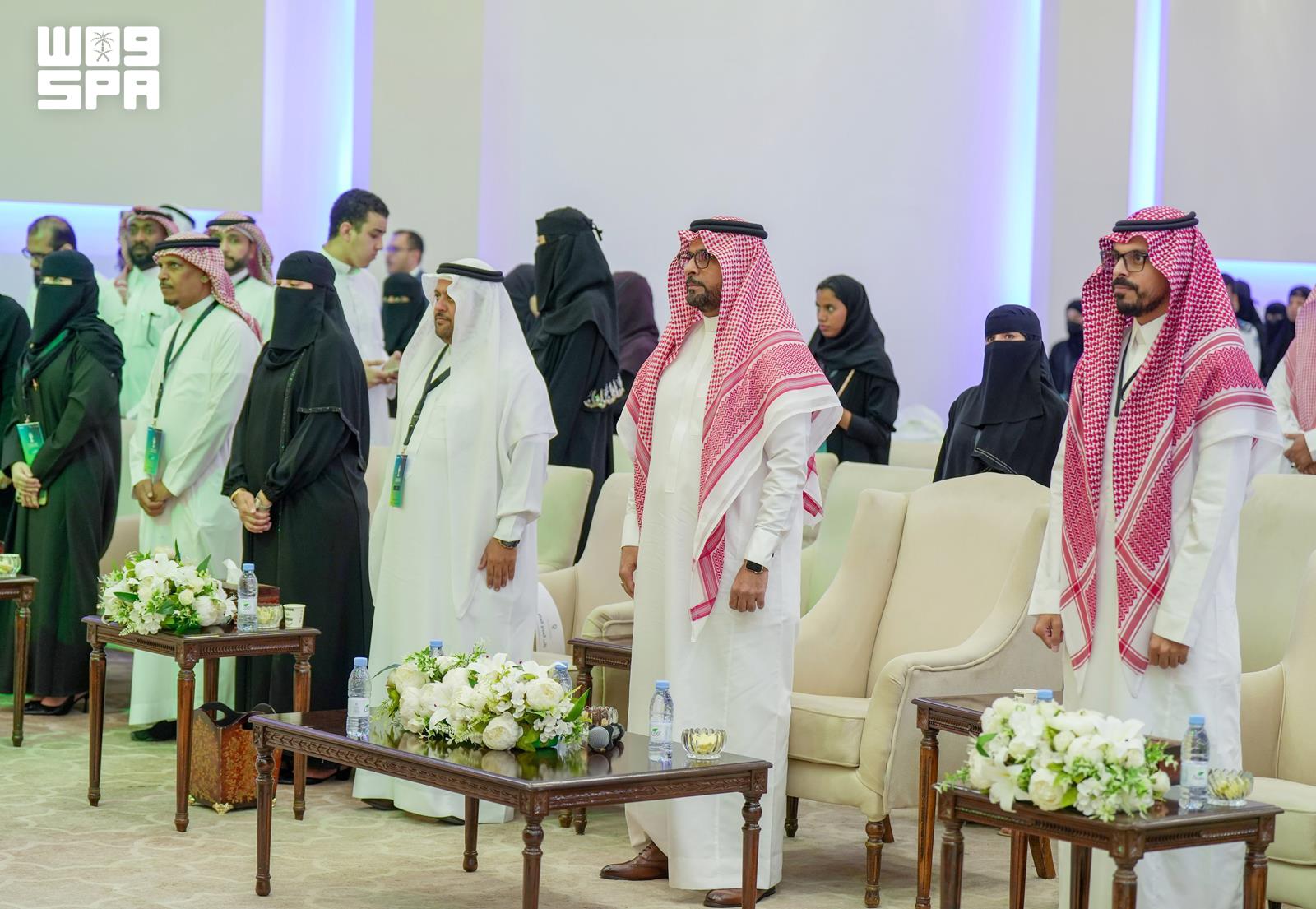
The Arab Bureau of Education for the Gulf States held a meeting of its Executive Board in its 96th session via video conference, with the participation of Their Excellencies the Undersecretaries of Ministries of Education in the member states, and the Assistant Secretary-General for Economic and Development Affairs of the Secretariat General of the Gulf Cooperation Council (GCC).
The meeting's proceedings opened with a speech by His Excellency Engineer Mohammed Hamza Al Qasim, Undersecretary of the Ministry of Education of the United Arab Emirates and Chairman of the Executive Board of the Bureau, who stressed the importance of anticipating the future of education and preparing for its transformations, saying: 'Our responsibilities today go beyond monitoring existing programs and projects to include anticipating the future, preparing for its transformations, and investing in the opportunities offered by the technological revolution and artificial intelligence, enabling our educational systems to prepare generations that possess the knowledge, skills, and values that qualify them to compete and contribute effectively to the development of their homelands.'
The Assistant Secretary-General for Economic and Development Affairs of the GCC Secretariat, Mr. Khalid Ali Al Sunaidi, delivered a speech in which he praised the Bureau's role and strategy in enhancing Gulf educational integration, affirming that the Bureau's strategy represents an ambitious framework for achieving this integration.
The Director-General of the Bureau, Dr. Mohammed bin Saud Al Muqbil, reviewed the Bureau's journey and its role in supporting joint Gulf educational work, pointing to the qualitative achievements realized thanks to the support of the leaders of the member states and the follow-up of the Ministers of Education.
The accompanying scientific program included two workshops; the first titled 'Shadow Education' addressed the phenomenon of private tutoring and its educational, social, and economic dimensions, as well as related policies and regulatory options, and the second titled 'Advantages and Challenges of Artificial Intelligence in Education'.
The Ministry of Education and Higher Education in the State of Qatar also presented a presentation titled 'Energies That Make Achievement, and Abilities That Shape the Future,' which addressed the system of educating students with disabilities in Qatar and the integrated efforts it includes towards providing inclusive and equitable education.
The convening of the meeting comes within the framework of the Bureau's role in supporting the march of joint Gulf educational and pedagogical work, enhancing coordination and exchange of expertise among member states, and discussing priority issues that contribute to developing educational systems and enhancing their readiness to keep pace with future transformations.
Original source: Sabq

Comments (0)
Be the first to comment.