In the footsteps of DeepSeek: Launch of Chinese Kimi K3 model roils AI market

Chinese company Moonshot launched a new version of its AI model Kimi K3, reigniting debate about open-source models and China's role in the global AI race, amid growing US concerns over Chinese companies' progress in this field.
The company confirmed that Kimi K3 still lags behind the strongest closed models such as Claude Fable 5 and GPT-5.6 Sol, but it has achieved performance on par with leading models in most evaluation tests, outperforming many competitors.
Independent evaluations from platforms Arena.ai and Vals AI indicated that the model is now capable of competing with the world's top AI models.
The announcement coincided with a speech by Chinese President Xi Jinping at the World AI Conference in Shanghai, heightening global interest in the new model.
Pressure on chip stocks
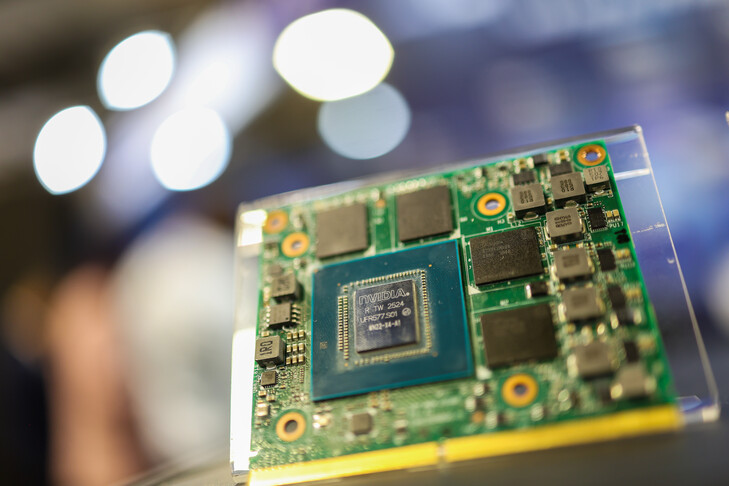
The announcement quickly impacted financial markets; the Nasdaq fell about 1% as investors sold shares of chipmakers, led by Nvidia, amid fears of intensifying global competition in AI.
The scene echoes earlier events in early 2025 following the launch of Chinese company DeepSeek's open-source model R1, but this time the debate comes amid escalating trade tensions between the US and China, ongoing national security disputes, and several major AI companies nearing stock market listings.
Criticism of US policies
David Sacks, former head of AI in the Trump administration, criticized US regulatory policies, saying they hamper America's ability to maintain its lead.
He said the US is "restricting itself" by imposing limits on data center construction, expanding regulations, and pushing to create federal bodies to review AI models before release, adding that these policies could lead to losing the AI race.
Debate over model training
Meanwhile, Travis Kalanick, former CEO of Uber, repeated allegations that Chinese companies rely on training their models using outputs from American models in a process known as "distillation," calling for the same rules to apply to all companies if the practice cannot be prevented.
In response, Dean Ball, head of strategic futures at OpenAI, argued that Kimi's performance cannot be explained solely by reliance on distillation techniques, describing the model as "very good" and expressing surprise that China continues to release models of this level as open-source projects.
Ball warned that the proliferation of open-source models could lead to what he called "AI communism," where AI technologies become public digital infrastructure managed by governments, urging the US administration to increase regulatory restrictions on using Chinese open-source models rather than banning them outright.
Exaggerated fears
In contrast, Shakeel Hashim, editor of AI-focused platform Transformer, said many of the concerns surrounding Kimi are exaggerated, noting that it likely does not possess serious cybersecurity capabilities at present.
He added that the Chinese government would face the same incentives that might lead it to impose restrictions on open-source models if they eventually reach capabilities that could pose security risks, meaning the current debate may be premature.
Tags
Kimi K3 Moonshot AI AI China United States
Link copied
July 21, 2026Last updated: July 21, 2026
2 minutes
Follow us
Original source: AIT News




Comments (0)
Be the first to comment.