Saudi Arabia First Regionally in Government Services | GEMS 2025
The Kingdom of Saudi Arabia maintained its leadership in the Middle East and North Africa region in the 2025 E-Government and Mobile Government Services Maturity Index, issued by the United Nations Economic and Social Commission for Western Asia (ESCWA), retaining the first place for the fourth consecutive time, with a very high maturity rate of 99% in the overall index assessment, an achievement reflecting the sustainability of Saudi Arabia's digital government maturity and its continuous progress regionally. The Governor of the Digital Government Authority, Eng. Ahmed bin Mohammed Al-Suwayan, confirmed that the lead...
The Kingdom of Saudi Arabia has maintained its advanced position among the countries of the Middle East and North Africa in the 2025 E-Government and Mobile Government Services Maturity Index, issued by the United Nations Economic and Social Commission for Western Asia (ESCWA), for the fourth consecutive year, with a high overall maturity rate of 99%, an achievement that confirms the continuity of Saudi Arabia's digital government development and its notable progress regionally.
The Kingdom of Saudi Arabia is classified among the leading countries in digital government transformation, supported by Vision 2030, which aims to diversify the economy and improve the quality of services.
The Governor of the Digital Government Authority, Eng. Ahmed bin Mohammed Al-Suwayan, said that Saudi Arabia's top ranking in the index reflects the leadership's support - may God protect them - for the digital government system, aiming to develop an integrated government model that focuses on the beneficiary, enhances economic competitiveness, and raises the efficiency of government performance sustainably. He added that this achievement embodies the efforts made by government entities in improving procedures and platforms, adopting modern technologies and artificial intelligence, making the Kingdom a global model to be emulated in business efficiency and digital economy, in line with the goals of Vision 2030.
Saudi Arabia topped the index, which assessed 17 countries, based on measuring the maturity of 100 basic government services for individuals and companies through digital platforms and smart applications, according to three sub-indices: it obtained 100% in the "Service Availability and Development" index, 99% in the "Service Usage and User Satisfaction" index, and 100% in the "Public Access" index.
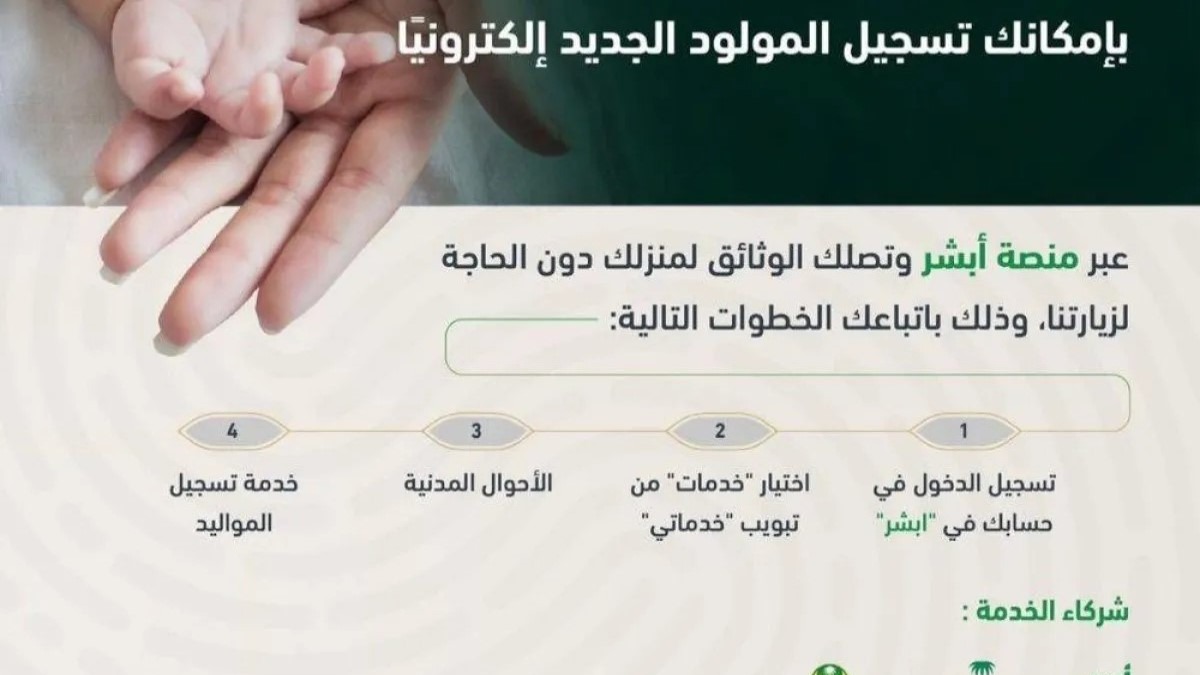
This progress reflects the continuous development of digital government services in vital sectors. In the civil services sector, digital platforms have enhanced the ease of issuing official documents, from passport renewal, national ID, birth registration, and others. Meanwhile, judicial services enabled beneficiaries to complete many procedures electronically with ease. In the health sector, digital services contributed to completing health appointments remotely and facilitating access to medical services more efficiently. Digital solutions in the customs clearance sector helped accelerate procedures and raise the efficiency of completing transactions. This is due to the development of an advanced government digital infrastructure, enhancing service integration among government entities, raising the level of digital inclusivity and accessibility for people with disabilities, in addition to employing data, emerging technologies, and artificial intelligence to provide more efficient, proactive, and reliable services for citizens, residents, and visitors, while enhancing the security of access and digital channels to ensure safe and easily accessible government services for beneficiaries.
This achievement is a continuation of the series of advanced results that Saudi Arabia has achieved in international indicators, after recently obtaining the second place globally in the 2025 Digital Government Maturity Index issued by the World Bank, which covered 197 countries. Additionally, the city of Riyadh was chosen as the headquarters for the Global Center for Digital Government in partnership with the United Nations, to promote research, innovation, and international cooperation, reflecting the Kingdom's leading position in digital government and achieving sustainable development goals.
< Previous PageNext Page >
This advanced classification confirms Saudi Arabia's commitment to developing digital infrastructure and enhancing the efficiency of government services, which contributes to improving the experience of citizens and residents and increasing the competitiveness of the economy. Achieving 100% in the service availability and access indicators reflects the comprehensiveness of digital efforts and their attention to all segments of society, including people with disabilities. The Kingdom is expected to continue its investments in emerging technologies and artificial intelligence to enhance its leadership at the regional and global levels, in line with the targets of Vision 2030.
Original source: Al-Watan


Comments (0)
Be the first to comment.