The Kingdom Has an Opportunity to Lead Global AI Governance..

Salman Al-Jishi
The Kingdom Has an Opportunity to Lead Global AI Governance..
July 5, 2026 - 00:03 | Last updated July 5, 2026 - 00:03
Follow Okaz channel on WhatsApp
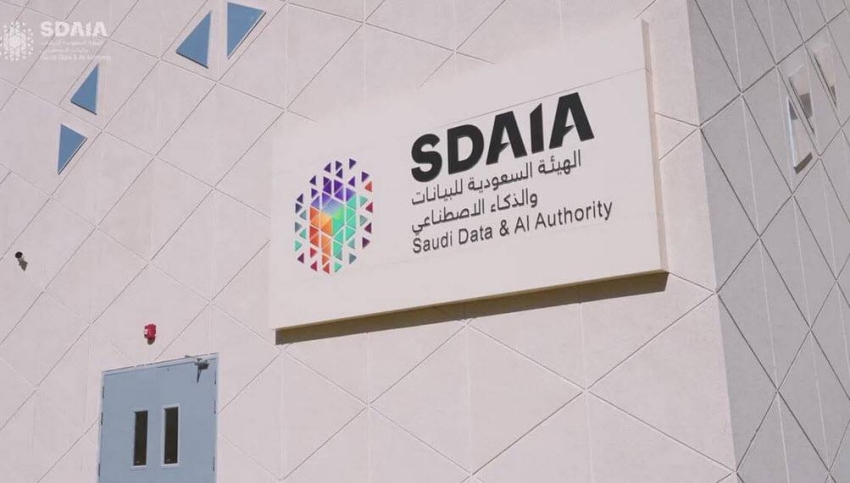
While the world races to build more powerful AI models, attention often focuses on the size of investments, the capacity of data centers, and the capabilities of electronic processors. But economic experience suggests that true value is not created by technology alone, but by the institutions that regulate its use. Markets do not thrive on innovation alone, but on the trust that surrounds it. For this reason, the next global competition will not be between those who possess the best algorithm, but between those who succeed in building the legal and regulatory framework most capable of protecting rights, encouraging investment, and opening the field for innovation at the same time. It is a competition on governance before it is a competition on technology. From this perspective, the Kingdom of Saudi Arabia's Vision 2030 appears to be more than just a digital transformation program. Artificial intelligence is no longer a separate technical project, but has become an economic driver directly and indirectly linked to nearly 66 targets of the Vision. The national strategy led by the Saudi Authority for Data and Artificial Intelligence (SDAIA) reflects this shift through investment in national competencies, digital infrastructure, research and innovation, attracting investments, and building policies that promote responsible use of modern technologies. However, the success of this project will not be measured by the number of smart models developed within the Kingdom, but by its ability to answer the most complex question in the digital economy... How can individual privacy be protected, personal freedoms maintained, and data sovereignty ensured, without stifling innovation or restricting the flow of knowledge?
The same question applies to the private sector. Saudi companies are entering a stage where intangible assets have become more valuable than traditional assets. Algorithms, databases, language models, and trade secrets have become the real capital in the new economy. Hence, intellectual property protection is no longer just a legal issue, but has become an economic policy that directly affects investment decisions, research and development, and the attractiveness of the Saudi market to global talent and companies.
But protection, no matter how important, should not become an obstacle to competition. The most advanced economies are those that balance maintaining the rights of innovators and preventing monopoly, between data protection and enabling innovation, and between regulation and flexibility. This balance is the real challenge that all countries will face in the coming years.
Perhaps the Kingdom has a rare opportunity to move from being a recipient of global experiences to being their maker. Instead of waiting for international judicial precedents to form, it can take the initiative to establish courts or judicial circuits specialized in artificial intelligence, data, and digital intellectual property cases, comprising judges and technical experts capable of handling disputes that traditional legal systems have not known. Such a step will not only shorten litigation time but will also establish legal jurisprudence that may become a regional and international reference in the future.
However, building this system cannot be the government's responsibility alone. The private sector is the producer of innovation, universities are the knowledge factory, and legislators are the guarantors of sustainable balance. Without a real partnership between these parties, governance will remain lagging behind the speed of technological development. History has shown that economic revolutions are not always led by those who first invent the technology, but by those who succeed in inventing the rules that grant it legitimacy, trust, and sustainability. If the Kingdom is able to build a balanced model that combines protecting individual rights, maintaining intellectual property, promoting competition, and entrenching the responsible use of artificial intelligence, it will not only be a major player in the digital economy, but will be among the countries that redraw its rules. In the end, the most important question may not be... who will lead artificial intelligence? Rather... who will lead its governance? And the answer to this question may be one of the most important strategic opportunities for the Kingdom in the next decade.
Original source: Okaz


Comments (0)
Be the first to comment.