Algeria: Heatwave Sets Historic Peak in Electricity Consumption
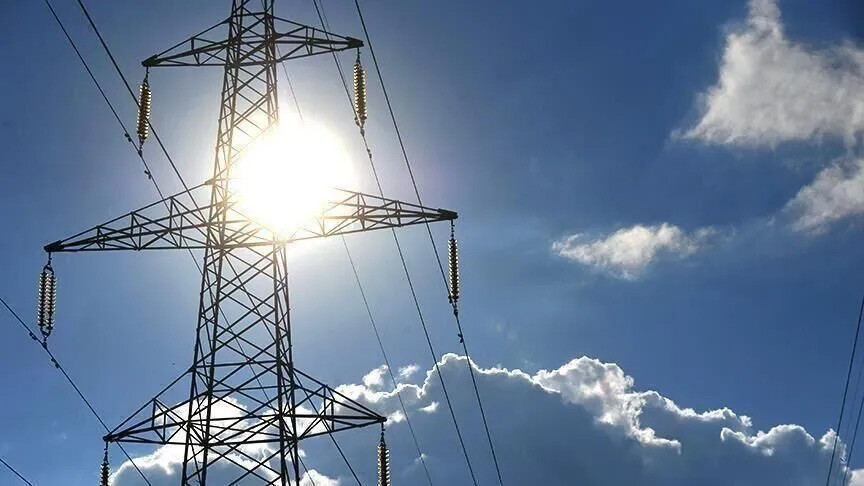
Sonelgaz said demand reached 21,870 megawatts, confirming continued supply without disruptions in all provinces.
ALGIERS, Algeria / Hassan Jibril / Anadolu
Algeria recorded on Monday the highest peak in electricity consumption in its history, reaching 21,870 megawatts, coinciding with a severe heatwave hitting most parts of the country.
The state-owned electricity and gas company Sonelgaz said in a statement obtained by Anadolu that the peak electricity consumption reached 21,870 megawatts, coinciding with the severe heatwave affecting most regions of the country.
It added that the new peak exceeded the record set on Sunday of 21,120 megawatts, a difference of 750 megawatts.
It noted that the highest consumption peak previously recorded was in July 2025, reaching 20,628 megawatts.
The company explained that 'this new peak reflects the continuous rise in electricity demand, especially during periods of extreme heat and high humidity.'
It confirmed that the electricity supply continues normally, and the situation is under control in all provinces of the country, with no supply disruptions recorded.
Algeria currently produces about 29,000 megawatts of electricity daily, providing a surplus of more than 8,000 megawatts, including about 1,000 megawatts from renewable sources, mostly photovoltaic solar plants.
Algeria produces more than 95% of its electricity needs through natural gas-fired plants, and also exports more than 500 megawatts of electricity daily to Tunisia.
Since 2024, domestic gas consumption has exceeded the volume of exports, reaching more than 53 billion cubic meters, compared to about 50 billion cubic meters of exports, while annual production is close to 140 billion cubic meters.
Through the national renewable energy program, the government aims to produce 15,000 megawatts of electricity from clean sources, mostly solar photovoltaic and wind plants, by 2035.
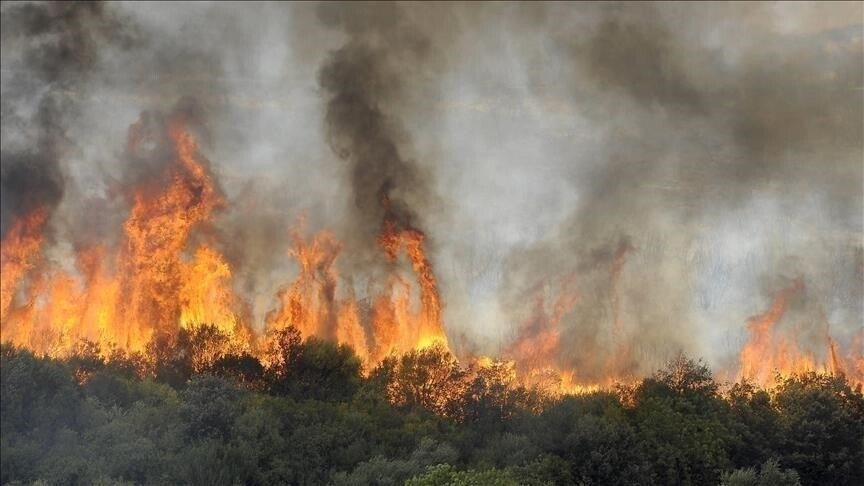
Coinciding with the heatwave, civil protection statistics indicate more than 300 fires in forests, scrubland, agricultural crops, and palm oases have been recorded since last Thursday, with temperatures exceeding 45 degrees Celsius in coastal cities on the Mediterranean.
Algeria has been suffering from a severe drought for years, especially in its central and western regions, leading to a decline in dam and groundwater levels, and exacerbating the risk of forest fires.
Repeated drought waves since 2022 have caused unprecedented fires that killed dozens of people and injured hundreds, in addition to damaging tens of thousands of hectares of forests and vegetation cover.
Original source: Anadolu Agency




Comments (0)
Be the first to comment.