Flood.. Volcano.. Earthquake.. When Earth Shows Its Greatest Powers
Flood.. Volcano.. Earthquake.. When Earth Shows Its Greatest Powers
July 5, 2026 - 02:45 | Last update July 5, 2026 - 02:45
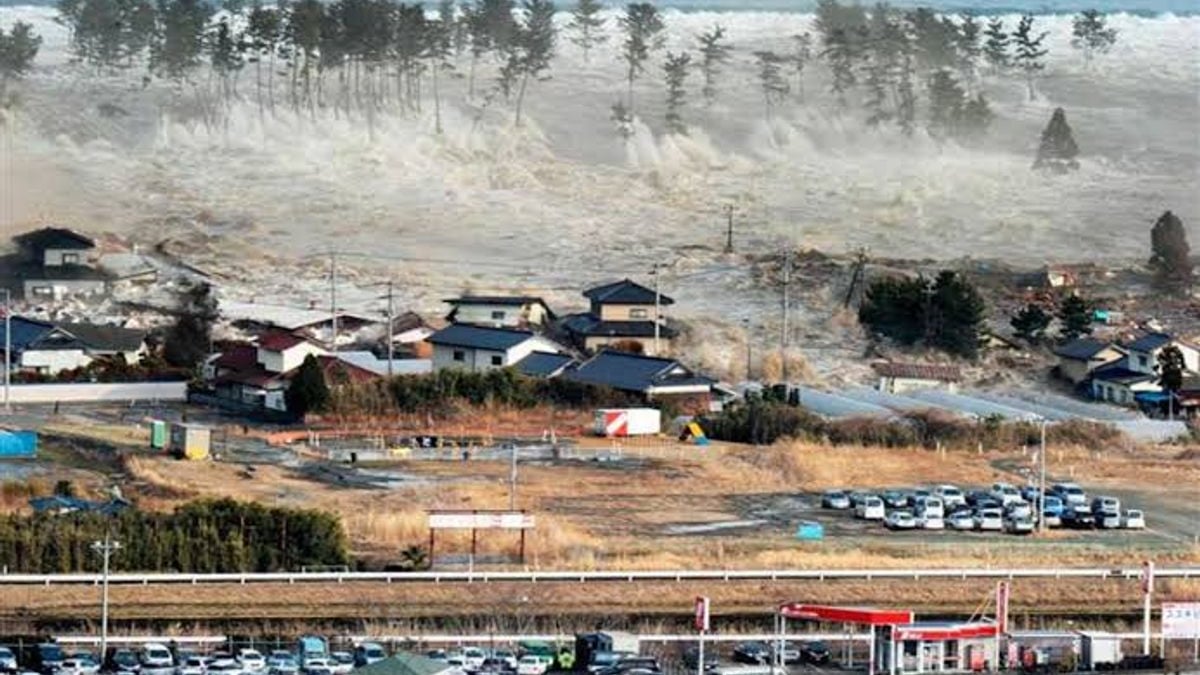
Natural disasters witnessed by planet Earth.
Follow Okaz channel on WhatsApp
«Okaz» (Jeddah) OKAZ_online@
There are moments when humanity stands before nature with all its science and technology, realizing that planet Earth still holds enormous powers capable of changing the scene in minutes. For millions of years, Earth has been continuously reshaping itself, but when these forces are released in populated areas, they turn into disasters that write new chapters in human history.
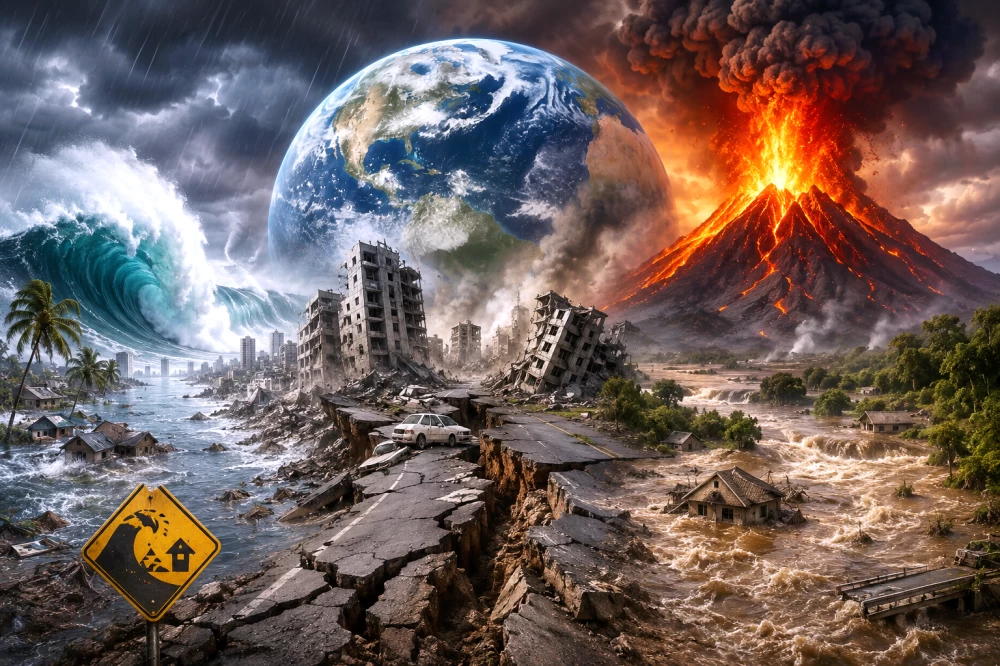
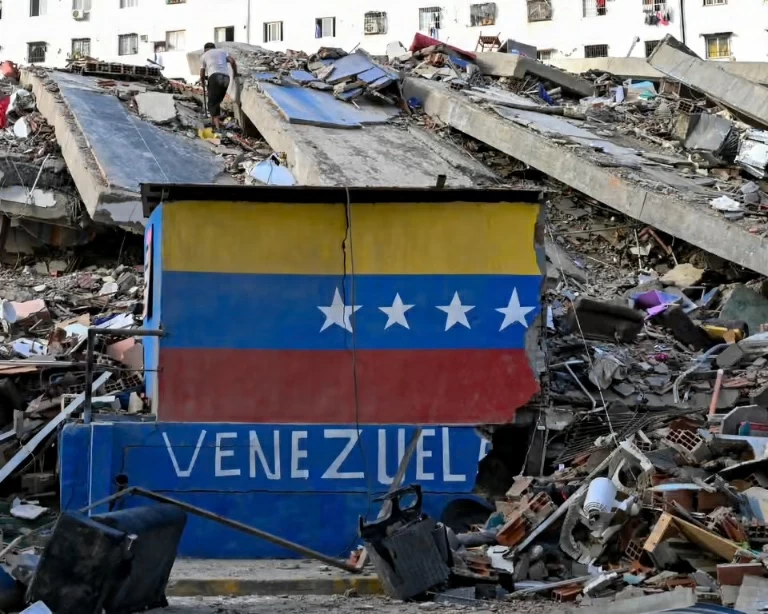
An earthquake is not just a fleeting tremor; it is the result of the movement of tectonic plates that carry continents and oceans. When pressures build up deep in the Earth's crust and then suddenly release, the land shakes violently, roads crack, buildings collapse, and the effects may extend to the depths of the seas, generating tsunami waves that cross oceans at tremendous speed, striking coasts with a force no less dangerous than the earthquake itself.
As for volcanoes, they are windows revealing what is happening inside the Earth. When they erupt, lava, gases, and ash burst to the surface in a scene that combines awe and beauty. The eruption can destroy surrounding areas, halt air traffic, and affect air quality, but at the same time, over time, it contributes to the formation of new land and soil that is among the most fertile types.
Floods come as the most widespread natural disaster in the world. They only need massive amounts of rain, rapid snowmelt, a powerful hurricane, or even a dam collapse for water to turn from a source of life into a sweeping force that washes away homes, roads, and farms, forcing thousands of families to leave their homes in search of safety.
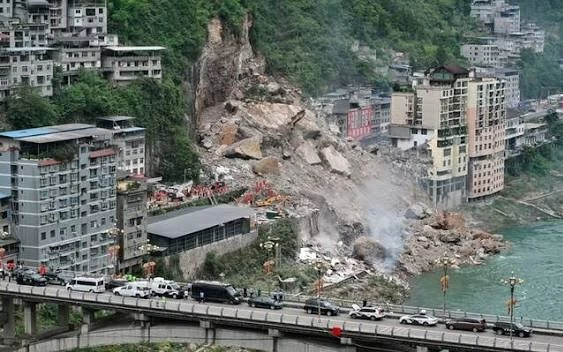
Earth's disasters do not stop there. There are landslides that swallow roads and homes in mountainous areas, hurricanes with winds exceeding hundreds of kilometers per hour, and droughts that may last for years, threatening water, food, and ecosystems.
Although humans cannot prevent these phenomena, they have been able to mitigate their effects thanks to scientific progress. Satellites, monitoring stations, artificial intelligence, and early warning systems have become essential tools that give communities precious time to prepare, evacuate, and reduce losses.
And the most important lesson remains: nature is not an enemy of humanity, but a balanced system with its own laws. The more we understand it and the higher our level of preparedness, the greater our ability to coexist with its forces. Amid the roar of the volcano, the shaking of the earthquake, and the flow of the flood, Earth always reminds us that it is a living planet, constantly changing, and deserving of our knowledge, respect, and readiness.
Original source: Okaz


Comments (0)
Be the first to comment.