From Egypt... Tips for Coping with Extreme Heat
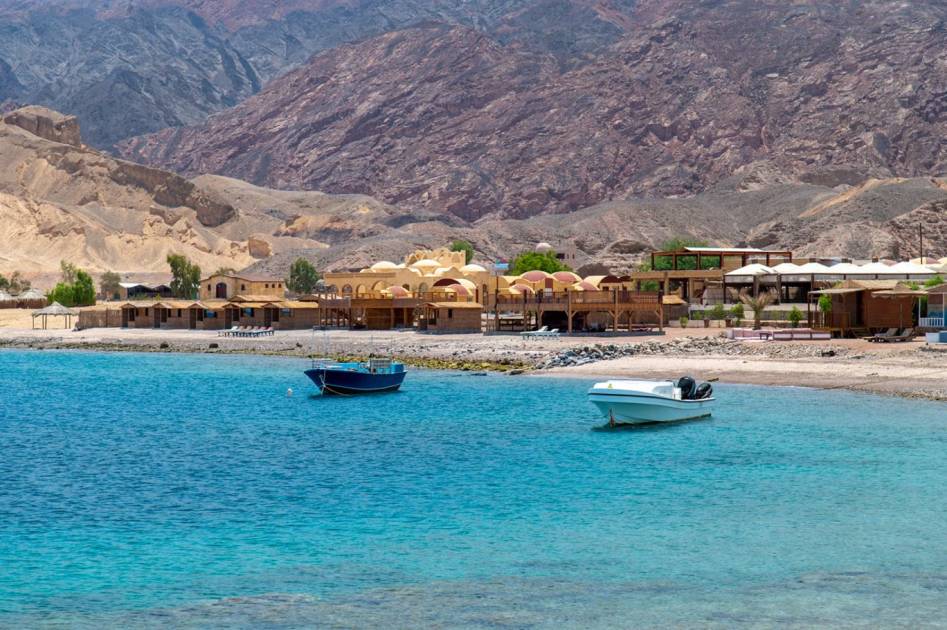
تقدم تجربة الإقامة في الأجواء الحارة نصائح حيوية حول تعديل نمط الحياة اليومي وإبطاء الإيقاع لتفادي مخاطر الارتفاع الشديد في درجات الحرارة.
Adapting to heat waves begins with slowing the pace of life, avoiding activity during midday hours, and listening to the body's needs instead of fighting the weather with energy-draining habits. Hydration, replenishing salts, light clothing, and moderate ventilation help prevent dehydration and fatigue, while excessive cold and sudden temperature changes may increase the body's discomfort.
The weather is hot, perhaps hotter than bearable. From inside my sweltering living room, the outside looks like a mirage distorting the image of the dusty street.
For those who live like me in North Africa, or are currently facing heat waves in other regions, summer can become a real battle between the mind and the body.
Egypt, home to sun-baked pyramids and vast golden deserts, offers a unique lifestyle full of excitement. But under this harsh heat, high temperatures can control the details of daily life and make even the simplest tasks seem more difficult.
I live in the city of Dahab on the coast of the Sinai Peninsula, about an hour from Sharm el-Sheikh, and this is my second scorching desert summer there. My previous experiences with heat waves in Jordan, Mexico, and Australia, as well as my travels in India, have taught me the rules of living with extreme temperatures.
It is obvious that blazing heat, with its dangers such as heatstroke and dehydration, requires extra precautions. In addition to staying in the shade, I would like to share the essence of my experience in adapting to extreme heat, indeed even enjoying it.
A Slower Pace of Life
Living in a country where the temperature typically reaches 40°C means you have to start your day very early. For example, it is best to exercise at sunrise, while evening meetings are usually delayed until late, starting and ending long after sunset.
After years spent in London, where the pace of life never slows, it was initially difficult for me to adapt to the slowdown at midday in hot countries. But I realized that coping with the heat requires changing the rhythm of the day and taking breaks to avoid exhaustion. Therefore, regular breaks and naps are a natural part of daily life in these communities.
Even movement itself should become quieter and slower in hot weather, requiring a conscious effort that may be surprising.
When I adopted a slower pace and paid more attention to hydrating my body, I was better able to control my energy levels, felt less fatigue, and actually managed to enjoy the weather. With regular swimming in the sea, I realized that life in this heat is about balance and listening to the body's needs.
Read More
Follow these scientific guidelines to overcome the summer heat
Exceptional heat waves redraw the map of European tourism
What is the impact of heat waves on our bodies?
Why is indoor heat dangerous even for healthy young people?
Rehydration packets... indispensable
One of the most important lessons I have also learned is that facing extreme heat does not necessarily mean resorting to extreme cold.
Drinking plenty of water is obvious, but there is an opinion that drinking ice-cold water causes the body to expend more energy to regulate its temperature compared to room-temperature liquids. As for showering with very cold water or running the air conditioner at maximum, it is not necessarily the best solution, as exposing the body to sharp temperature changes does not always give you the desired refreshment.
When dealing with extreme heat, rehydration packets become a real lifesaver. These small sachets, readily available in pharmacies, contain a mix of elements that help the body replace what it has lost, and can simply be added to a water bottle and drunk when feeling symptoms of dehydration.
This simple and effective solution made me more prepared for hot weather and gave me a sense of reassurance, especially since I can also help my friends if they need quick rehydration.
And I didn't stop there; I tried freezing electrolyte-replacement drinks in ice cube trays and found that this might be my best trick for extremely hot days. As for light summer meals, nothing beats frozen grapes and berries; they are refreshing, delicious, and help hydrate the body at the same time.
Protection of All Kinds
Wearing appropriate clothing helps keep the body cool in hot weather, so it is wise to choose summer clothes carefully. Light-colored linen is ideal for dealing with sweat and helping regulate body temperature. I also make sure to carry a shawl or a light multipurpose cloth when going out, providing protection from both the sun and sand.
Coping with heat waves is not limited to changing daily habits; it also requires using the right tools and supplies. In addition to essentials like a sun hat, sunscreen, and sunglasses, hand fans are a simple and effective solution; they are small, easy to carry, and provide a quick feeling of refreshment, making them an ideal companion during summer.
Also, before bed, I use a cooled natural oil used in Ayurveda [traditional Indian medicine], applying it to my temples to help reduce insomnia and sweating during hot nights.
Finally, we come to air conditioners, an issue that no article on heat waves can ignore. The AC usually draws moisture from the room air, which can irritate the sinuses and cause a runny nose. Therefore, I try to minimize its use as much as possible, and I also use an essential oil diffuser that restores some moisture to the room and adds a pleasant scent.
As for those who do not have air conditioners in their homes, I fully understand their struggle. However, some simple tricks may help, such as creating a good draft and hanging a cold, wet towel at doorways.
The fact remains that extreme heat is not something to be underestimated, but taking necessary precautions and listening to the body's needs remain the best way to have a less stressful summer and enjoy it as much as possible.
This article was first published in June 2024, then revised and updated.
Original source: Independent Arabia




Comments (0)
Be the first to comment.