How extreme heat is reshaping travel maps in Asia
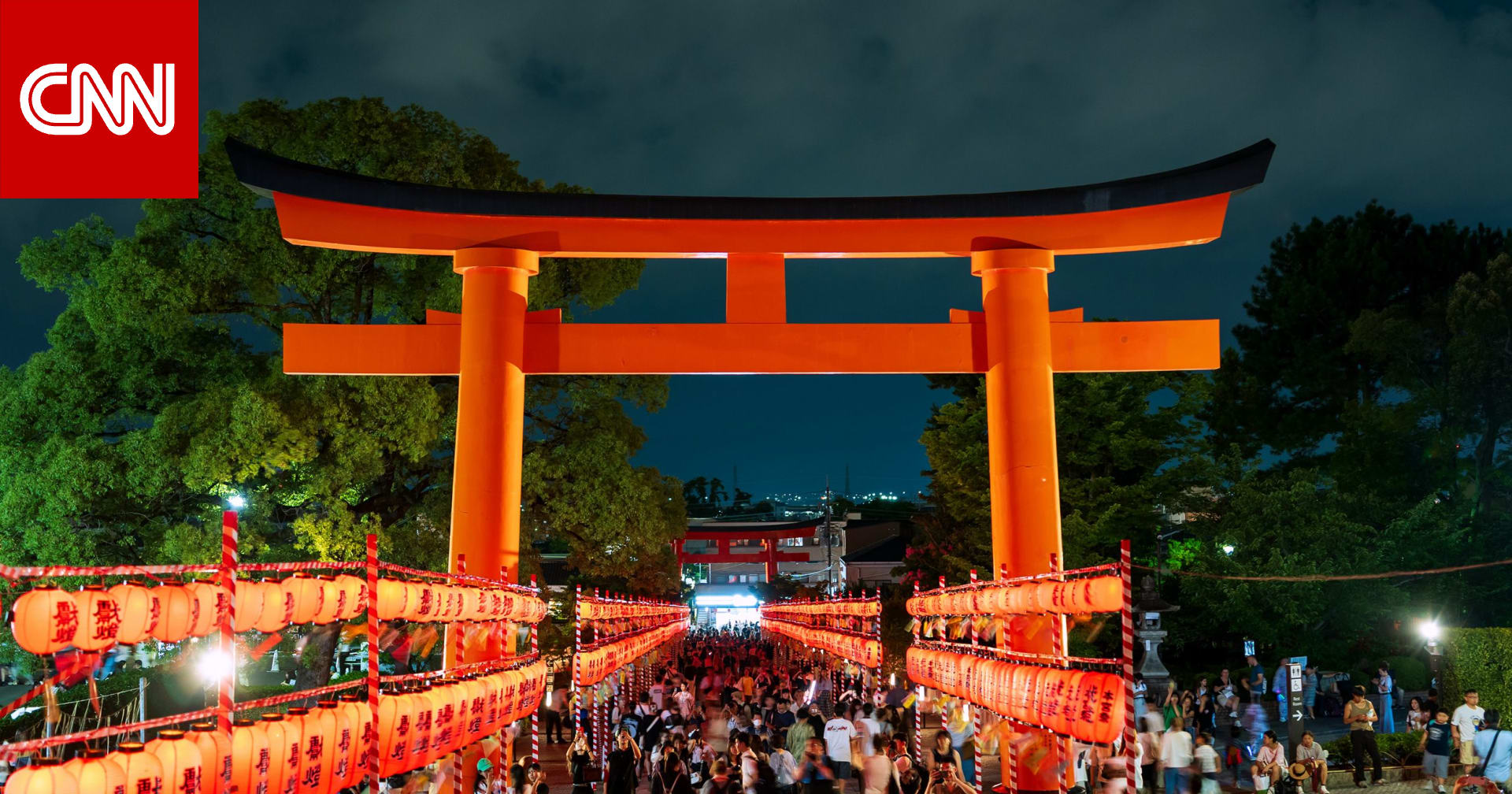
With temperatures in Asia rising at twice the global average, intense summer heatwaves are reshaping traditional holiday habits, driving travelers to seek refuge in high-altitude areas and destinations best explored after dark.
(CNN) — For Benjamin Wong, a secondary school teacher in Singapore, the long summer holidays have become an opportunity to seek out cooler places away from his country's hot and humid weather. This summer, he chose to stay at a luxury mountain resort in Yunnan Province in southwest China, a region that has become increasingly attractive to tourists seeking refuge from high temperatures.
Wong says his choice of destinations often depends on the weather. Singapore typically experiences temperatures above 80 degrees Fahrenheit with high humidity, so he prefers to travel to cooler places.
He adds that Europe has become unpredictable due to recent heatwaves, and he does not want to spend long hours on a plane only to face heat exceeding that of Singapore.
Wong's choices reflect a new global trend in tourism known as 'coolcations,' where travelers select destinations based on mild weather to escape heatwaves.
Tourists visit the Bingzhongluo area in China's Yunnan Province. This region, located at high altitudes in the hills, is known for its mild summer weather. Credit: Xinhua/Shutterstock
The impact of rising temperatures is not limited to tourists; it also affects millions of workers, especially in Asia, where about 75% of workers are exposed to extreme heat, including delivery workers and food vendors serving the tourism sector.
Many regions around the world have experienced record-breaking temperatures. In France, temperatures reached 40°C when a severe heatwave swept the country, prompting authorities in Paris to ask organizers of a summer music festival not to sell alcoholic beverages due to risks of dehydration and heatstroke.
Spain, Britain, and Switzerland also recorded unprecedented temperatures, leading to the closure of some outdoor tourist attractions or reduced operating hours.
In Asia, the situation is more critical, as the continent is warming at a faster rate than the rest of the world. In Japan, record temperatures have become a frequent phenomenon, even giving rise to a new term to describe extremely harsh hot days.
Visitors ride camels across the Gobi Desert in Mongolia. Climate change has extended the country's tourism season. Credit: Wolfgang Kaehler/LightRocket/Getty Images
As a result, some travelers are changing their habits, such as visiting tourist sites early in the morning or after sunset.
Booking platforms for travel experiences have begun to see increased demand for nighttime activities. These include evening tours of Japanese temples, sunset river cruises in Asian rivers, and nighttime walks through old city streets.
Some companies report a significant rise in bookings during evening hours, particularly in Asian markets.
Bangkok, accustomed to extreme heat, boasts an active night market scene. Credit: Peerapon Boonyakiat/SOPA Images/LightRocket/Getty Images
However, some tourists are still willing to endure extreme heat to achieve their goals, especially first-time visitors or those planning a long list of places to see. Nevertheless, travel companies are adjusting their programs to suit the new conditions, such as moving cooking classes from open markets to indoor venues or organizing outdoor activities during cooler hours.
In contrast, some regions have relatively benefited from climate change in terms of tourism, such as southern New Zealand, Mongolia, Kazakhstan, northern Japan, and Tasmania in Australia, where summer months have become more attractive to visitors due to mild weather.
Nevertheless, experts emphasize that climate change is reshaping the entire travel industry. Storms, floods, extreme humidity, and wildfires have become factors that tourist destinations and businesses must plan for year-round.
Experts believe that considering weather when choosing holidays is no longer a secondary option but has become an essential part of the future of global tourism. Whether a destination is suffering from heatwaves, floods, or storms, climate change has become a challenge faced by almost all tourist regions.
Original source: CNN Arabic






Comments (0)
Be the first to comment.