"Access to the Red Sea": A New Chapter in the Egypt-Ethiopia Conflict
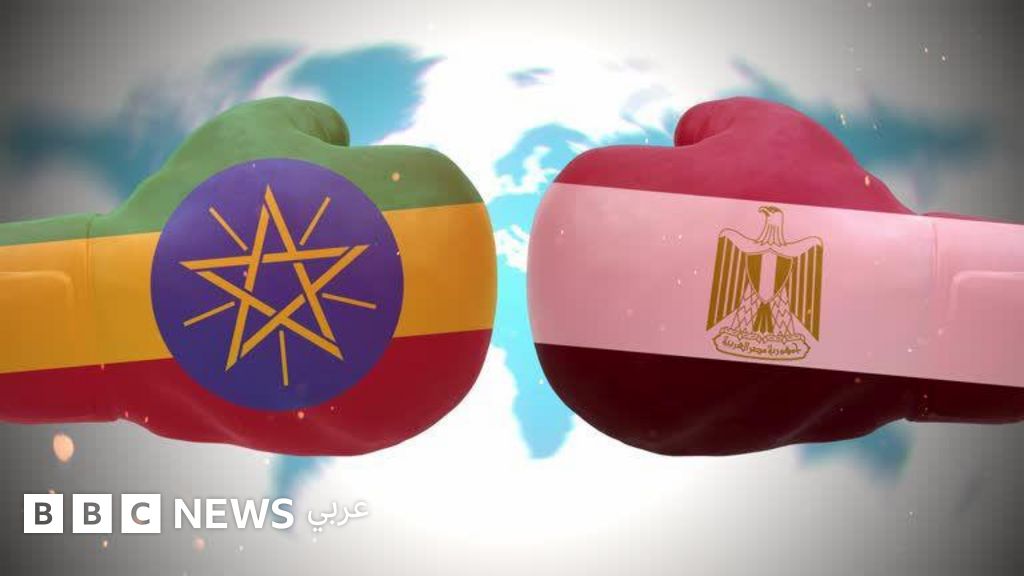
The rivalry for influence in the Horn of Africa between Egypt and Ethiopia is intensifying. After the relations between the two countries witnessed great tension due to the Ethiopian Grand Renaissance Dam, the conflict moved from the waters of the Nile to the Red Sea.
"Access to the Red Sea": A New Chapter in the Egypt-Ethiopia Conflict
Image caption, Tensions are rising between Egypt and Ethiopia
Article Information
Author, Mahmoud El-NaggarRole, BBC News Arabic - Cairo
Published 3 June 2026Last updated 1 hour ago
Reading time: 5 minutes
Cairo hosted on Sunday a series of meetings conducted by Egyptian Foreign Minister Badr Abdelatty with US Presidential Senior Advisor for Arab and African Affairs Massad Boulos, Somali Foreign Minister Abdi Ali, and Eritrean Foreign Minister Osman Saleh.
The Egyptian Foreign Ministry said in a statement that the meetings came within the framework of "establishing peace and security in the Horn of Africa region," considering it "a direct extension of Egyptian national security."
According to the statement, the participants stressed the need to respect state sovereignty and territorial integrity, while emphasizing that the responsibility for Red Sea security is limited to the riparian states, excluding any role for non-riparian parties.
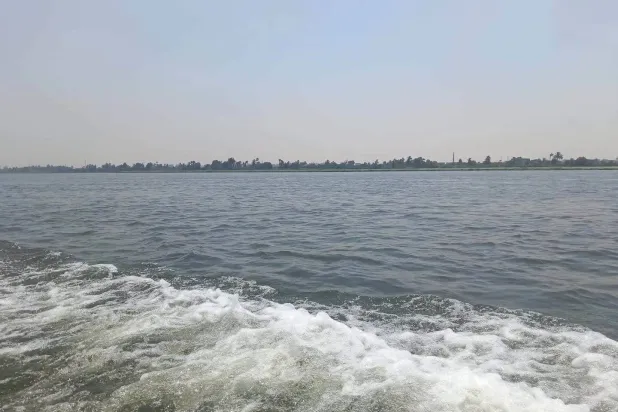
Minister Abdelatty also stressed the importance of adhering to international law rules governing the use of transboundary water resources, in a way that serves the interests of all Nile Basin states, reiterating Egypt's rejection of unilateral actions in the Eastern Nile Basin, and asserting that water security is an existential issue for Cairo.
These meetings came against the backdrop of escalating competition for influence and access to the Red Sea in the Horn of Africa region in recent months, at a time when the confrontation between Egypt and Ethiopia appears to have moved beyond traditional disputes related to the Nile waters and the Renaissance Dam to include broader files involving ports, maritime corridors, and regional security arrangements.
Less than two months ago, Ethiopia accused Egypt of trying to block its access to the Red Sea, days after the Egyptian foreign minister's visit to Eritrea, during which he stressed that the security and management of the Red Sea is the exclusive responsibility of its riparian states.
This escalating competition in the Horn of Africa reflects two divergent visions for the future of the region. While Ethiopia seeks to enhance its maritime presence, Egypt has intensified its moves to strengthen its relations with the countries of the Horn of Africa and the Red Sea, in a region already suffering from extended crises in Sudan, Somalia, and Ethiopia itself, according to researchers and analysts who spoke to the BBC.
From the Nile Waters to the Red Sea
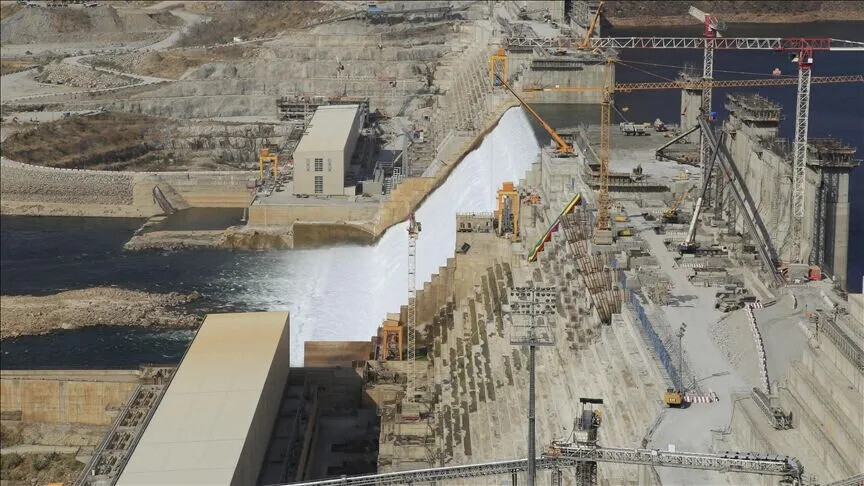
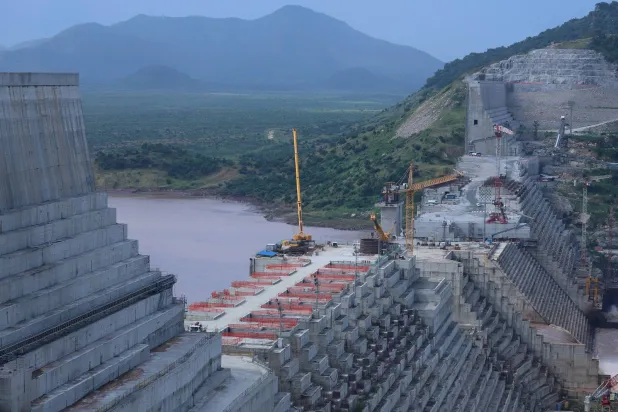
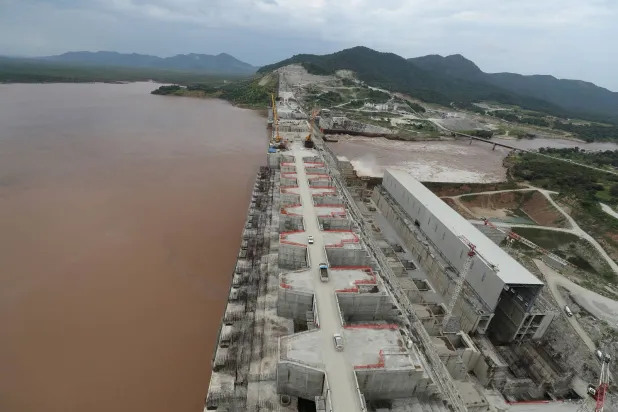
The crisis of the Ethiopian Grand Renaissance Dam, which the Egyptian government recently described as "illegal," forms the most prominent backdrop to tensions between Cairo and Addis Ababa over the past decade. Egypt, which receives most of its water from the Ethiopian plateau, fears the dam's impact on its water security, while Ethiopia insists the project is necessary to meet its development needs and generate electricity.
Skip Most Read and continue reading
The other World Cup winner... Lamine Yamal's little brother who captivated the internet
Trump threatens Iran with a 'much bigger' price after killing of American soldiers, Tehran says it is in a 'comprehensive war' with Washington
Trump's parade a perfect end to a lavish World Cup - The Guardian
Aoun's visit to Washington: What does he want from Trump? And was the reception 'lukewarm'?
With increasing Ethiopian rhetoric about the need to obtain a sea outlet, the competition has gradually moved to the Red Sea and the Horn of Africa, where the economic and security interests of several regional and international powers intersect.
Sudanese researcher in African affairs Mohamed Turchin sees this shift as a natural extension of the differences between the two countries, explaining that Ethiopia has become more explicit in proposing the idea of accessing the Red Sea, not only to escape its landlocked status but also to strengthen its economic and regional role.
He adds that Cairo views these moves as part of a broader equation affecting power balances in the region, especially given the Red Sea's connection to global trade and the Suez Canal.
Ethiopia officially inaugurates the Renaissance Dam: A huge energy achievement or the beginning of a new chapter of conflict with downstream states?
Image caption, The rivalry for influence moves to the Red Sea
Somaliland... The Latest Arena of Competition
Skip podcast and continue reading
Worth attention
In-depth explanation of the most prominent events and topics to help you understand the most important changes around you and their impact on your life
Episodes
Podcast End
"Somaliland" is one of the most prominent points of tension in this file, as the region declared its unilateral secession from Somalia in 1991, with very limited international recognition.
The crisis erupted in early 2024 when Ethiopia signed a memorandum of understanding with the region giving it the right to use part of its Red Sea coast and establish naval facilities, in exchange for arrangements related to political and economic cooperation, which was met with rejection by the Somali government and a number of regional parties.
Professor of Political Science at Cairo University Ayman Shabana believes that Egypt's position is not linked to the principle of Ethiopia obtaining a sea outlet, but rather to the nature of this path.
He says Cairo does not object to arrangements made with internationally recognized governments or through existing ports such as Djibouti, but it considers the agreement with "Somaliland" to undermine Somali territorial integrity and threaten regional stability.
He adds that any disorder in the Horn of Africa directly affects navigation security in the Red Sea and the Gulf of Aden, with implications for Egyptian national security.
Ethiopia currently relies mainly on the Port of Djibouti, through which the majority of its external trade passes, in addition to economic arrangements with several ports in the region.
In recent months, the file has gained an additional dimension with Israel's announcement of establishing diplomatic relations with "Somaliland," along with reports of opening a representative office for the region in Jerusalem, which sparked Arab and Islamic reactions.
The UAE also has economic and investment relations with the region, while DP World manages the port of Berbera within development projects extending for years.
In contrast, other countries have strengthened their presence inside Somalia, with Turkey running a large military base in Mogadishu, Saudi Arabia signing cooperation agreements with the Somali government, and Egypt increasing its participation in the African Union mission there.
"Ethiopia accuses Egypt of destabilizing the Horn of Africa region and calls on it to abandon the 'outdated strategy that has never frightened Ethiopia'"
Image caption, Egyptian president and his Ethiopian counterpart in Addis Ababa 2015
Asmara... Another Front of Disagreement
The Eritrean file represents an additional dimension to the rivalry between Cairo and Addis Ababa, as Ethiopia has been a landlocked country since Eritrea's independence in 1993, relying on neighboring ports.
Turchin believes that Egyptian moves in Eritrea and Somalia reflect what he describes as "controlled tension," where parties seek to strengthen their influence without sliding into direct confrontation.
He points out that Egypt considers Eritrea's stability part of the Red Sea security system, while Ethiopia sees access to a sea outlet as a strategic necessity for its economic development.
During a visit to Asmara, Egyptian Foreign Minister Badr Abdelatty stressed that the management of the Red Sea is the responsibility of its riparian states, which Addis Ababa considered a rejection of its maritime ambitions, accusing Cairo of trying to encircle it and block its access to the sea.
Original source: BBC Arabic


Comments (0)
Be the first to comment.