After 31 years, more than a thousand victims of Srebrenica massacre still missing
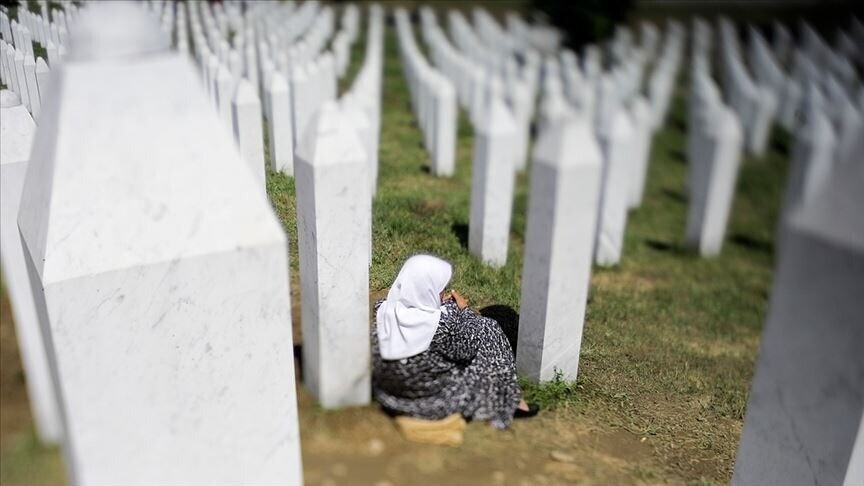
Serbian forces executed at least 8,372 Bosnian men and children after Dutch forces handed over civilians who had arrived at their base on July 11, 1995
SARAJEVO / Anadolu
More than a thousand victims remain missing, 31 years after the Srebrenica massacre, which international courts recognized as genocide, following the occupation of the town by Bosnian Serb forces on July 11, 1995, after the UN had declared it a 'safe area'.
After the occupation of the town led by Ratko Mladić, convicted of war crimes, thousands of Bosnian civilians sought refuge at the UN base in Potočari, asking for protection from Dutch peacekeeping forces.
However, the civilians who arrived at the base under Dutch control were later handed over to Bosnian Serb forces.
Serbian forces allowed women and children to move to areas under Bosnian control, while systematically separating men, before executing at least 8,372 Bosnian men and children in forests, factories, warehouses, and other locations.
The victims were buried in mass graves to hide evidence of the crime, then many of those graves were reopened using heavy machinery, and the remains were moved to other mass graves in different areas, a method intended to destroy evidence and complicate the identification of victims.
Despite the years, bones of many victims have been found in various mass graves, and identification processes have taken many years due to finding parts of the same person's remains in more than one grave.
After the war ended, Bosnia and Herzegovina launched extensive excavation operations to search for the missing across the country.
To date, remains of Srebrenica massacre victims have been found at 150 different sites, including 77 mass graves.
The exhumed remains underwent DNA analysis and forensic medical examinations before the identities were determined and they were returned to their families.
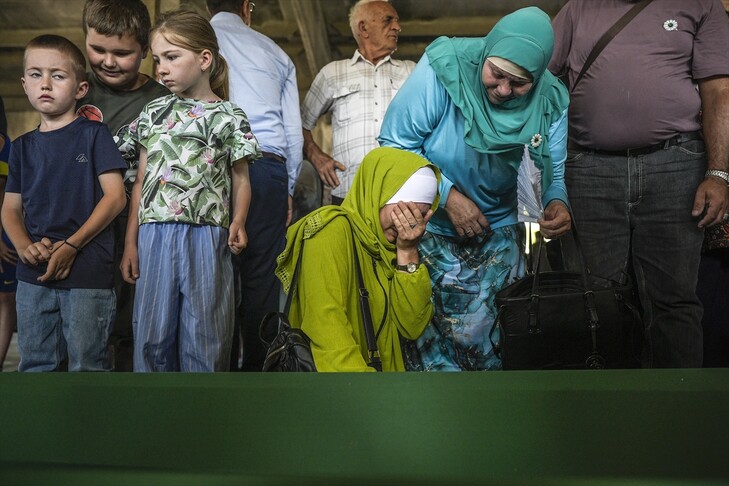
Annually on July 11, Bosnia and Herzegovina holds burial ceremonies for the remains of Srebrenica massacre victims at the Potočari memorial cemetery, for those whose remains have been found in the search for mass grave victims.
So far, 6,772 victims of the massacre have been buried at the Potočari memorial cemetery, while 250 victims have been buried in other local cemeteries at the request of their families.
Original source: Anadolu Agency



Comments (0)
Be the first to comment.