One of India's Greatest Food Destinations Finally Gets the Global Recognition it Deserves
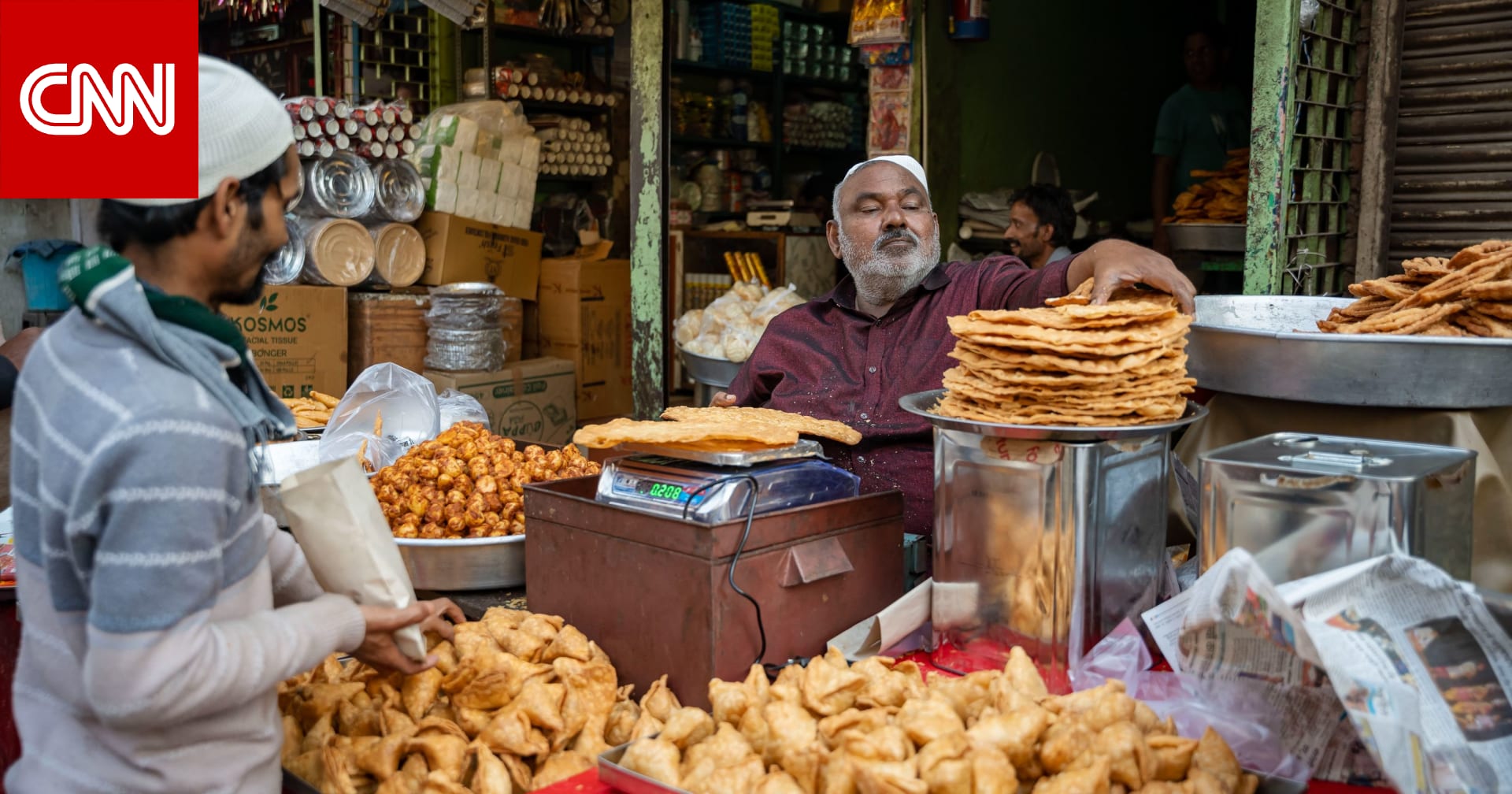
The Indian city of Lucknow had been largely absent from global food discussions. But that is changing now thanks to UNESCO recognition.
(CNN) -- In a narrow alley in old Lucknow, a plate of the famous Galawati kebab arrives at the table of customers at the historic Tunday Kababi restaurant. Diners enjoy the soft kebab with paratha bread, while chefs continue preparing new batches of this dish that has become a symbol of local cuisine. This scene has repeated daily for generations in a city considered one of India's most important food capitals.
Despite its fame within India, Lucknow remained for years away from the global spotlight compared to cities like Delhi and Mumbai, despite being the historic home of 'Awadhi' cuisine. However, this began to change after UNESCO announced in October 2025 the selection of Lucknow, capital of Uttar Pradesh state, into the Creative Cities Network in gastronomy, making it the second Indian city to receive this title after Hyderabad.
Lucknow is brimming with stunning architectural landmarks from the Mughal era, including the Bara Imambara, as shown in the photo. Credit: Akhter Jan/iStockphoto/Getty Images
Awadhi cuisine originated in the kitchens of the region's rulers known as 'Nawabs' during the 18th and 19th centuries, when Lucknow became the seat of government after the capital moved there. This cuisine was influenced by Mughal cooking with Persian roots, but gained an independent character through the use of local ingredients and refined cooking techniques, blending royal opulence with regional flavors.
Chefs and historians stress that the common belief that Awadhi cuisine is heavy and greasy is inaccurate, as it essentially relies on balance, precision, and patience more than on an abundance of spices or fats. The goal is to create harmony between ingredients, with a thoughtful use of spices and aromatic flavors such as saffron, rose water, and kewra essence, so that they enhance the flavor without overpowering it.
Among the most notable features of this cuisine is the 'dum pukht' technique of slow cooking in sealed pots, where meats, rice, and vegetables are cooked over low heat, trapping steam inside the pot and giving the food a rich flavor and tender texture. This method is linked to Lucknow's ruler Asaf-ud-Daula, who is said to have used it during a famine to prepare large quantities of food for workers, before it moved into royal kitchens and became a hallmark of Awadhi cuisine.
A historic white building near the Chhota Imambara monument in Lucknow. Credit: Martin Florent/Alamy Stock Photo
Chefs also excel in a refined technique of using spices, adding them gradually during cooking to build layers of flavor. Small cloth bags containing whole spices are used to impart a distinctive aroma without affecting the texture.
The Galawati kebab is Lucknow's most famous dish, made from very finely minced meat with a complex blend of spices and raw papaya that helps tenderize the meat until it melts in the mouth.
Folklore says it was specifically designed for an aging ruler who had lost the ability to chew tough meat. Tunday Kababi restaurant, established over 120 years ago, still serves this dish using a secret recipe that includes dozens of spices.
The famous Tunday Kababi restaurant in Lucknow, over a century old. Credit: Boaz Rottem/Alamy Stock Photo
Other famous dishes include Kakori kebab grilled on skewers, as well as Shami kebab and Boti kebab.
In rice dishes, Lucknow biryani stands out, differing from Hyderabad biryani as it is lighter and more aromatic. The meat is cooked first, then added to rice and finished with the dum pukht method, giving each grain of rice a balanced flavor.
These dishes are served with traditional breads such as sheermal, sweetened with saffron and milk, and the paper-thin rumali roti.
Lucknow's food identity is not limited to meat; vegetarian cuisine also holds an important place. The city is known for dishes such as stuffed lentil kachori, black carrot halwa, malai makhan made from milk cream, and malai gilori stuffed with dried fruits. Street foods like aloo tikki, pani puri, and dahi bhalla are also an essential part of the local culture, characterized by a balance of sweet, sour, and spicy.
Many restaurants and markets in the neighborhoods of Chowk and Aminabad still rely on traditional methods, such as grinding spices by hand and cooking over charcoal, along with recipes passed down through generations. Home kitchens, especially women, have played a pivotal role in preserving and transmitting this heritage by developing and maintaining recipes.
A shop owner prepares a cup of tea at a stall in Hazratganj, one of the oldest neighborhoods in Lucknow. Credit: Pradeep Gaur/SOPA Images/Getty Images
Despite this legacy, experts fear the disappearance of some traditional dishes like khichda, zarda, and khameeri roti, prompting calls for festivals and community initiatives to revive them.
Experts believe that UNESCO recognition represents an opportunity to preserve original cooking techniques, document them, and train new generations in them, not just to promote the most famous dishes. This recognition has also increased tourists' interest in local food experiences, including home visits and tours that explain the history and cultural significance of dishes.
With growing global interest in regional cuisines, chefs believe that Awadhi cuisine has the potential to spread thanks to its balanced flavors and refined techniques. They emphasize that preserving its authenticity while developing presentation methods is the way to ensure its global continuity, keeping it a living heritage that combines history, skill, and innovation—which has made Lucknow deserve its place as one of the world's most important culinary arts cities.
Original source: CNN Arabic



Comments (0)
Be the first to comment.