UNESCO calls for expanding debt-for-education swap mechanism
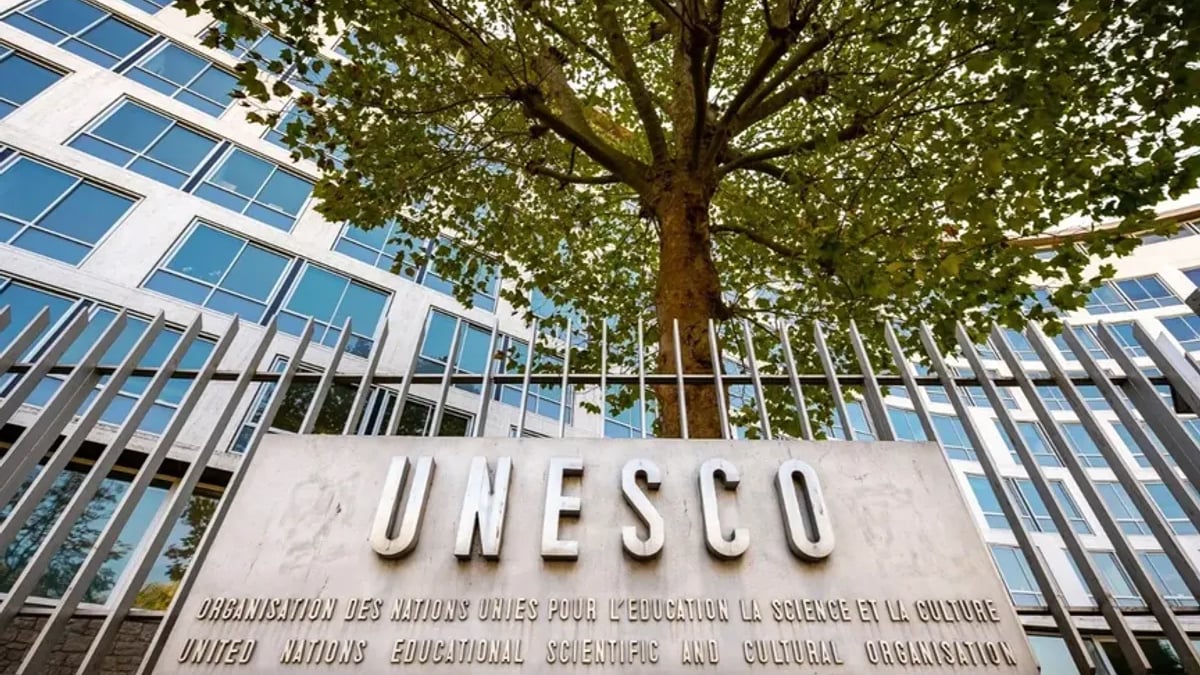
The United Nations Educational, Scientific and Cultural Organization (UNESCO) called on governments and international lenders to expand the scope of debt-for-education swap mechanisms to help address a worsening crisis in education financing, noting that 113 countries currently spend more on debt servicing than on education.
UNESCO launched new guidelines on the swap mechanism during a global summit on education in Paris on Friday, indicating that the mechanism could help debt-burdened countries redirect scarce resources towards schools, teacher training, and student support.
Debt-for-education swaps allow countries to refinance or buy back debt by directing funds to the education sector.
The World Bank has recently begun supporting such mechanisms, and UNESCO cited examples of bilateral cooperation, such as a 2023 agreement with France that helped Côte d'Ivoire finance the construction of over 30 schools, and the Spain-Peru program that funded 50 education projects over a decade.
UNESCO's appeal comes as a new study highlights growing pressures on education budgets worldwide. The organization said that 113 countries, with a total population of about 6.1 billion, spend more on debt servicing than on education systems.
In low-income countries, debt repayment payments exceed education spending by about four times. In the 18 most debt-stressed countries, debt payments exceed education budgets by at least five times.
The organization also warned of a decline in international support for education. Its Global Education Monitoring Report projected that global aid for education could fall by up to 30 percent between 2023 and 2027.
Aid allocated to education fell by eight percent in 2024 compared to the previous year, and funding for basic education also dropped by 15 percent.
UNESCO Director-General Khaled El-Anany said, 'Education is the strongest investment available to countries, but it suffers from a systematic lack of funding,' and called for stronger political support to intensify efforts to develop innovative financing tools for the sector.
Original source: Ajel.sa

Comments (0)
Be the first to comment.