Houthi Escalation in the Red Sea: Is Iran Burning Its Last Cards?

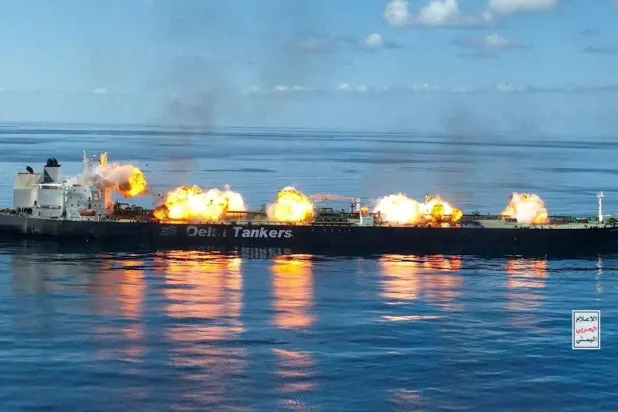
The Houthi group has resumed escalating its threats to navigation in the Red Sea and Bab el-Mandeb, announcing an expansion of its naval operations to include ships linked to Saudi ports, a step that revives concerns about the security of one of the world's most important maritime corridors, and comes amid rising tensions between the United States and Iran and ongoing regional turmoil.
The new escalation raises fears of its repercussions on global trade and energy markets, especially after several shipping companies had returned in recent months to using the Red Sea and the Suez Canal, following a period of rerouting via the Cape of Good Hope, which could bring back the crisis of maritime insurance and rising transport costs if threats persist.
International forces and naval coalitions continue their deployment in the region to secure shipping lanes, with assessments that the Houthis are seeking to exploit the regional escalation to impose new equations in the Red Sea and use it as a pressure card within the broader confrontation in the region.
Experts who spoke to Sky News Arabia believe that the Houthi escalation is no longer linked only to the war in Gaza, but rather reflects more clearly the group's connection to the US-Iranian tension, and an attempt to employ the Red Sea in the calculations of the regional conflict, despite the decline in its military capabilities compared to the previous period.
Related News
Less Capability... A Different Threat
Yemeni military expert and maritime security specialist Brigadier General Ali al-Dhahab said in exclusive remarks to Sky News Arabia that the impact of the current Houthi escalation will not be as great as the impact of previous attacks in the Red Sea, because the group has changed the nature of its targets, which previously broadly targeted global navigation and trade, while today the threat focuses on targeting its neighbors.
Al-Dhahab warns that targeting oil tankers could directly affect the movement of oil exports through the Red Sea and impact energy markets if the circle of attacks expands.
He points out that a number of shipping companies have already returned in the recent period to using the Red Sea and the Suez Canal after improved security conditions and the need of European markets for alternatives to transport oil, but any new escalation could push these companies to reconsider their routes if the crisis persists.
He adds that the escalation may impose a reinforcement of the international military presence and naval coalitions in the region, but if a confrontation breaks out, it will likely be limited in time and space, and less impactful than previous rounds of escalation.
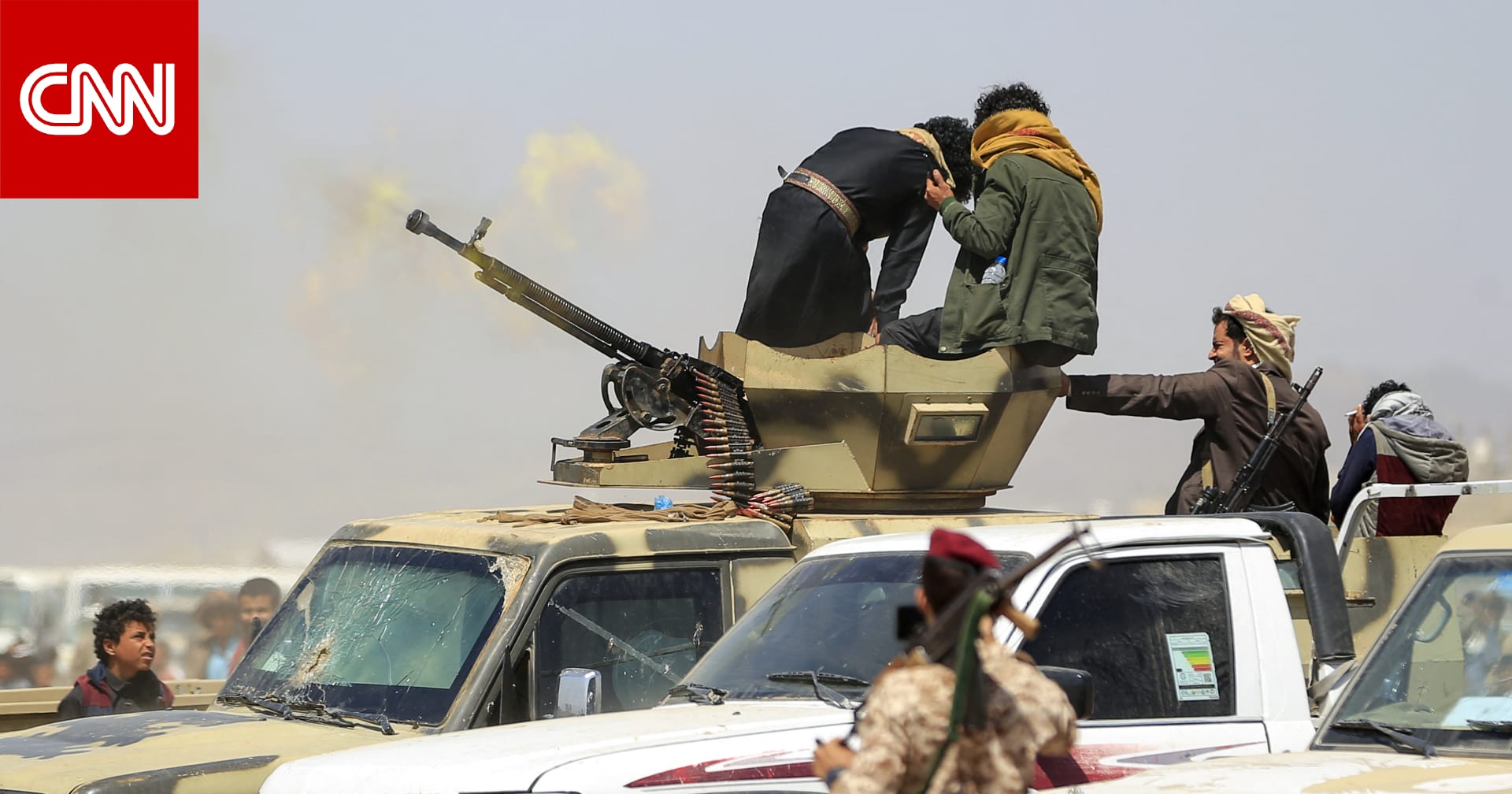
Al-Dhahab affirms that the operations of naval coalitions, especially the European mission that was extended until next January, have succeeded in undermining the Houthis' military capabilities and inflicting heavy losses on their military structure, which makes the group less able to influence than before, despite its continued implementation of the Iranian agenda.
Related News
An Iranian Pressure Card
For his part, the spokesman for the Southern Transitional Council, Anwar al-Tamimi, said in exclusive remarks to Sky News Arabia that the Houthi escalation primarily aims to achieve two main goals.
He explained that 'the first goal is to raise the ceiling of negotiations on the local and regional settlement tracks, and to try to improve the group's position in any future political or security arrangements.'
He added that 'the second goal is to give Iran an additional negotiating card to help it alleviate US pressures, by keeping the Red Sea as a pressure arena that can be used in the context of negotiations and regional jockeying.'
Al-Tamimi believes that the timing of the escalation is not separate from the regional scene, but rather reflects the continued connection of the Houthi decision to Iranian calculations, and an attempt to employ maritime tensions to achieve political gains beyond the Yemeni arena, making the security of navigation in the Red Sea part of the broader conflict equation in the region.
Original source: Sky News Arabia



Comments (0)
Be the first to comment.