Analysis: US-Iran Conflict Escalates, Fears of Spinning Out of Control
Analysis by Tim Lister of CNN
(CNN) -- During the past week, the conflict between the United States and Iran has shifted from mutual skirmishes to something resembling all-out war.
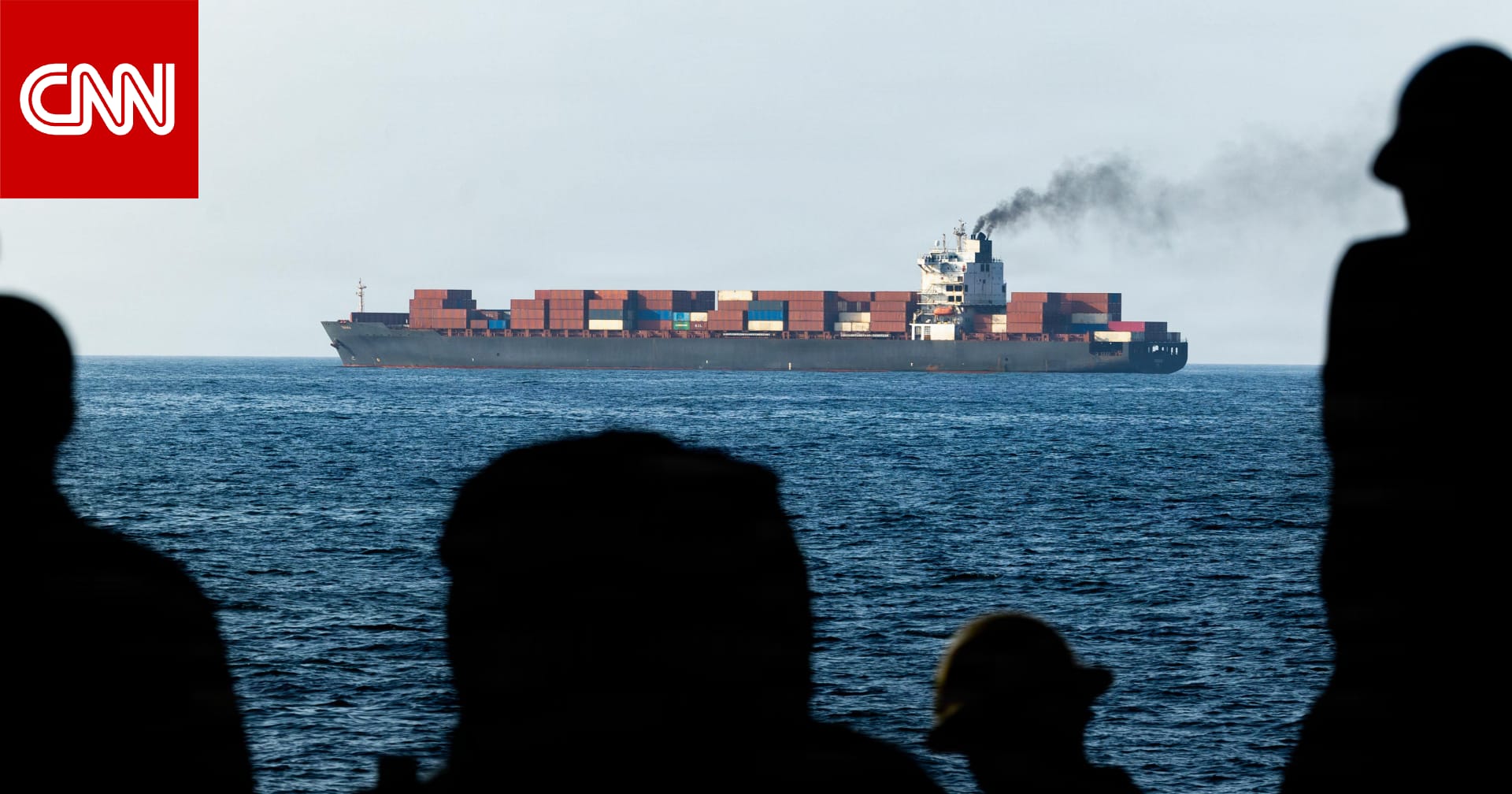
Last week, US President Donald Trump threatened to expand the scope of the war unless Iran stops attacking ships crossing the Strait of Hormuz.
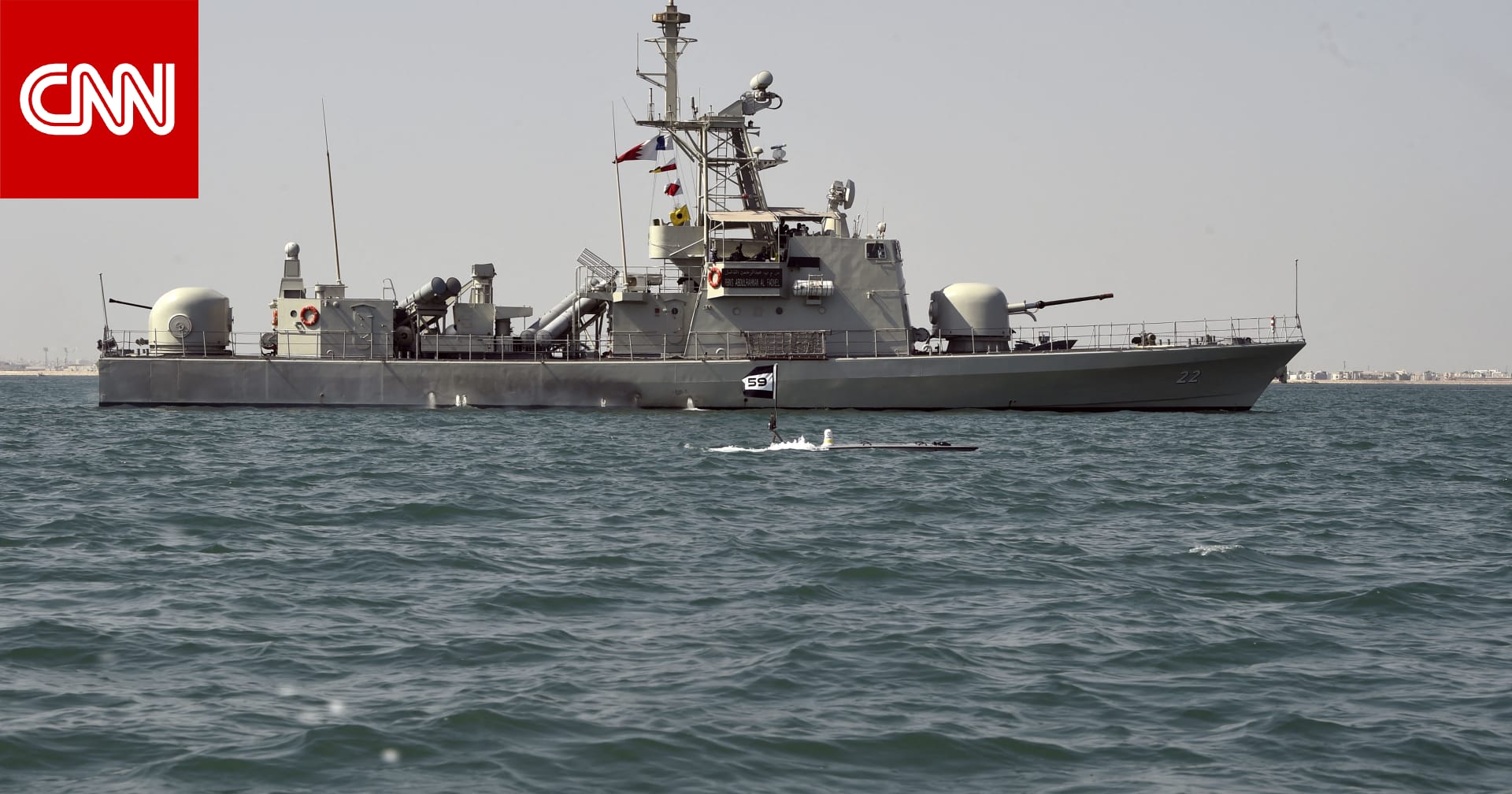
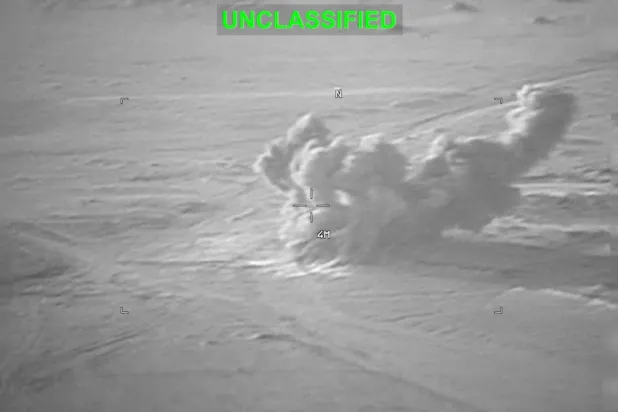
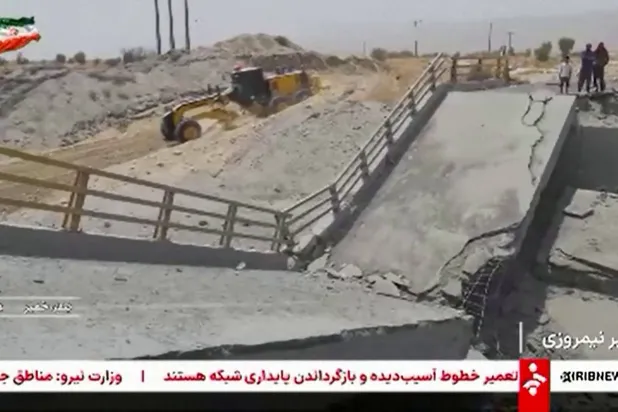
In recent days, the United States has expanded its targets beyond Iranian coastal sites housing radar installations and drones to include roads, tunnels, railways, port infrastructure, and a water desalination plant, according to Iranian media.
For its part, Iran has expanded its target list to include seven countries in the region, and state media indicated that major ports in Gulf states may soon be added. Kuwait bore the brunt of Iranian strikes, with a desalination plant and an oil refinery damaged. Jordan also came under regular bombardment.
The conflict has reached a critical turning point. It may give way to another round of mediation and negotiation. But for most analysts, that seems unlikely. Neither side appears in a mood to negotiate, and both have said the memorandum of understanding (MoU) agreed upon in June after weeks of arduous negotiations is no longer in effect.
Ian Bremmer, founder of the Eurasia Group, a geopolitical risk analysis firm, said that after the killing of two US soldiers on Friday in Jordan amid a barrage of Iranian missile strikes, 'the coming days (are) among the most dangerous days of the war.'
The United States, which announced the death of another soldier in northern Iraq on Sunday, said it would punish Tehran 'swiftly' for the strikes – and Iran targeted Jordan again on Sunday.
Danny Citrinowicz, an analyst at the Institute for National Security Studies in Tel Aviv, said: 'It is becoming increasingly clear that events are beginning to spiral out of anyone's control.'
Citrinowicz said on the 'X' platform, formerly Twitter: 'Although Washington and Tehran initially appeared interested in keeping the confrontation within certain limits, the conflict is now alarmingly approaching a point where those limits may collapse.'
He added: 'The confrontation could expand beyond its current scope, potentially drawing Gulf states directly into the conflict and putting additional strategic targets and vital infrastructure at risk.'
The Iranian missile strike that targeted Aqaba in Jordan on Sunday was clear evidence of this danger, with Israel saying shrapnel fell on its territory. Israel has so far stayed out of the conflict, at the request of the Trump administration, reportedly, but the government's displeasure with the Iran deal is no secret. Israeli defense officials warned on Sunday that the country would respond forcefully if Iran attacks Israel.
From Tehran's perspective
The enemy has a voice, as military historians would like to say, and Iran appears confident in its ability to inflict damage.
The Institute for the Study of War wrote on Saturday: 'Iran is adapting to US defenses by launching high-speed, maneuverable missiles at US bases in the region,' adding that Iran has deployed cluster munitions on a wider scale to maximize damage.
The US losses in Jordan are evidence of this adaptation.
Evidence suggests that the regime in Tehran believes it can outlast Trump, having rallied popular support during the funeral ceremony of Ayatollah Ali Khamenei. The collective leadership that emerged in the absence of Mojtaba, Khamenei's son and the new Supreme Leader, seems to believe that resistance is the only option at this time.
Iranian analyst Vali Nasr wrote in the Financial Times: 'Iran's current rulers believe that any show of restraint will only lead to more US pressure.'
Nasr added: 'While the Iranian economy is experiencing very difficult conditions, with runaway inflation, chronic shortages of medicine, and a deteriorating economy, Tehran will accept the inevitable economic hardships that another US naval blockade would entail, believing that its pressure on the global economy by closing the Strait of Hormuz ... will force Trump to back down first.'
It's all about the Strait of Hormuz
To be sure, there is no evidence for Trump's claims that Iran desperately wants a deal, and the issue that ignited the conflict, the Iranian nuclear program, has largely receded, with the focus shifting to the dispute over the Strait of Hormuz.
In short, a rock hit a hard place – at the entrance to the Gulf.
The vague language in the memorandum of understanding aimed to conceal the irreconcilable differences between the US demand – supported by much of the international community – for freedom of navigation in and out of the Gulf, and Iran's insistence on managing shipping.
In fact, in his first message as Supreme Leader in March, Mojtaba Khamenei insisted that closing the strait was a strategic advantage, and that 'the advantage of closing the Strait of Hormuz should continue to be used.'
Many analysts see the 'memorandum of misunderstanding' as a futile tool.
Nasr said that control of the strait gives Iran 'a sword of Damocles over the head of the global economy,' which Tehran considers 'necessary' to get anything from Washington.
If the conflict continues to expand, Iran is also likely to turn to its Houthi allies in Yemen to increase pressure on the global economy and on Saudi Arabia by disrupting navigation in the Red Sea around the vital Bab el-Mandeb Strait – which serves as a second version of the Strait of Hormuz.
Allies' perspective
Washington's Gulf allies have previously intervened with Trump on the conduct of the war and management of the Strait of Hormuz. Recently, a series of appeals from several governments, including Saudi Arabia, the UAE, Bahrain, and Qatar, succeeded in dissuading Trump from proceeding with a plan to impose tolls on ships crossing the strait.
There are broader concerns that the escalation of the conflict could cause deeper damage to their economies, delay any agreement on Hormuz, and leave them facing a stubborn enemy across the Gulf after Washington decides it has had enough.
The question now is whether they will reach out again, individually or collectively, if Iran carries out its threat to strike ports and other infrastructure in the Gulf. And will such an escalation be met with a response?
Iran's semi-official Fars News Agency warned on Friday that Iran could target 'a network of major ports' in Gulf states in response to US strikes that targeted Iran's Chabahar port.
Can a military victory be achieved?
A decisive US military victory over Iran seems to remain a distant possibility. It would likely require a ground troop deployment and a campaign of strikes more intense and widespread than what we have seen over the past week. Anything less would not affect the regime in Tehran in what it considers an existential struggle.
Trump said about the ground war in an interview with Fox News last week: 'I don't want to do that.' But he added: 'Sometimes we need a ground campaign, but we have people who will do it for us.' CNN reported that Trump is considering new options, including reconsidering an attack on the strategic Kharg Island.
Original source: CNN Arabic



Comments (0)
Be the first to comment.