Archaeological Site of Sebastia Inscribed on UNESCO World Heritage List and List in Danger
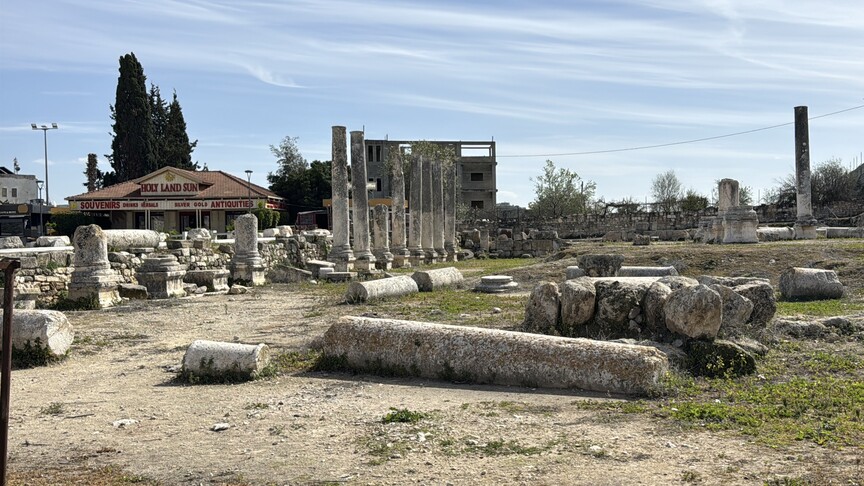
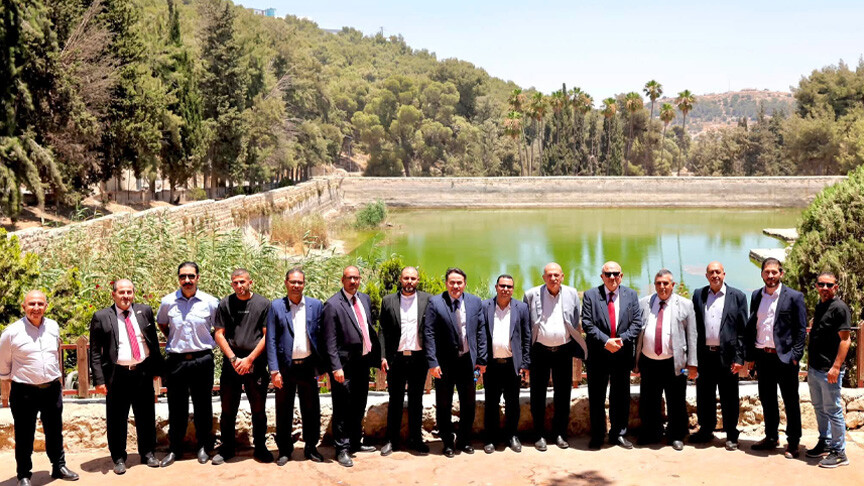
Palestinian Minister of Tourism and Antiquities Hani Al-Hayek announced the success of the State of Palestine in inscribing the archaeological site of Sebastia in the northern West Bank on the UNESCO World Heritage List, with its simultaneous inclusion on the List of World Heritage in Danger during the 48th session in Busan, South Korea.
RAMALLAH / Qais Abu Samra / Anadolu
Palestinian Minister of Tourism and Antiquities Hani Al-Hayek announced on Friday the success of the State of Palestine in inscribing the archaeological site of "Sebastia" in the northern occupied West Bank on the World Heritage List, and simultaneously including it on the List of World Heritage in Danger.
Al-Hayek explained in a statement that this took place during the 48th session of the World Heritage Committee of the United Nations Educational, Scientific and Cultural Organization (UNESCO), held in Busan, South Korea, from July 19 to 29, 2026.
Al-Hayek said that the World Heritage Committee "adopted the Palestinian nomination file and inscribed the site under emergency procedure based on criterion (iii) of the World Heritage Convention, as a unique testimony to the succession of civilizations and cultures that inhabited the region since the Iron Age, through the Hellenistic, Roman, and Byzantine periods, up to the Crusader and Ottoman periods."
He added that the committee "affirmed in its decision that Sebastia is distinguished by its multiple archaeological layers and the clarity of its historical sequence, reflecting a continuous development of the urban, political, and religious center for more than two thousand years, which gives it exceptional universal value deserving protection under the World Heritage Convention."
Al-Hayek explained that the committee "also decided to include the site on the List of World Heritage in Danger due to threats resulting from the Israeli occupation, including plans for land confiscation, alteration of the historical and archaeological character of the site, and restrictions on protection, management, and conservation work."
In the same statement, the Palestinian Ministry of Tourism and Antiquities described the decision as "a new national achievement that reflects the civilized status of Palestine and enhances international protection of the site, despite the challenges facing Palestinian cultural heritage."
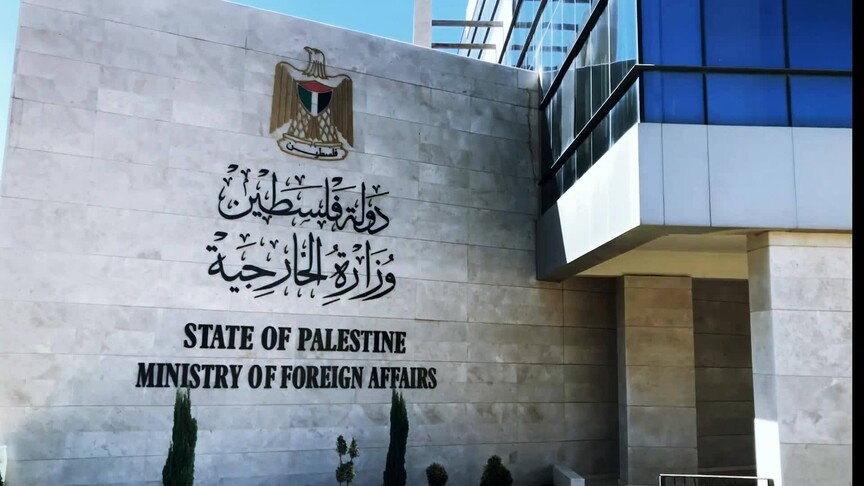
It praised "the support that the nomination file received from the member states of the World Heritage Committee, and the efforts made by Palestinian institutions, including the Municipality of Sebastia, the Ministry of Foreign Affairs and Expatriates, the Permanent Delegation of Palestine to UNESCO, the Center for Cultural Heritage Preservation, and the Palestinian National Commission for Education, Culture and Science."
The ministry affirmed that it "will work, in cooperation with local and international partners, to implement the recommendations of the World Heritage Committee, including updating the site management plan and enhancing protection and monitoring measures, to ensure the preservation of its universal value for future generations."
Sebastia is one of the most important archaeological sites in Palestine, with origins dating back more than 3,000 years.
The city witnessed great prosperity during the Roman period when Herod the Great rebuilt and expanded it magnificently, naming it "Sebaste" in honor of Emperor Augustus, making it a typical Roman city with a temple, a stadium, a long colonnaded street containing hundreds of columns, and other structures.
It also contains remains from the Hellenistic and Byzantine periods and is considered a holy site for Christians and Muslims due to its association with the tomb of Prophet Yahya (John the Baptist).
The artifacts discovered in Sebastia, such as the city walls, the royal palace, the famous ivory collection, and the massive Roman buildings, are a living testament to the succession of civilizations (Canaanite, Assyrian, Persian, Greek, Roman, Byzantine, and Islamic).
The inscription of Sebastia is the latest addition to the Palestinian sites on the UNESCO World Heritage List and confirms, according to the ministry, that Palestinian cultural heritage "is an integral part of the world's human heritage and deserves protection and preservation."
Palestinian authorities say that archaeological and heritage sites in the occupied West Bank are subject to continuous Israeli escalation, including the imposition of field measures and the expansion of administrative control over historically significant sites.
In 1948, Israel was established on lands occupied by armed Zionist groups that committed massacres and displaced at least 750,000 Palestinians. Then Israel occupied the rest of the Palestinian territories and refuses to withdraw from them.
Original source: Anadolu Agency



Comments (0)
Be the first to comment.