Where Have Iran's Elder Clerics Disappeared?
); googletag.cmd.push(function() { onDvtagReady(function () { googletag.display('div-gpt-ad-3341368-3'); }); }); }
Summary
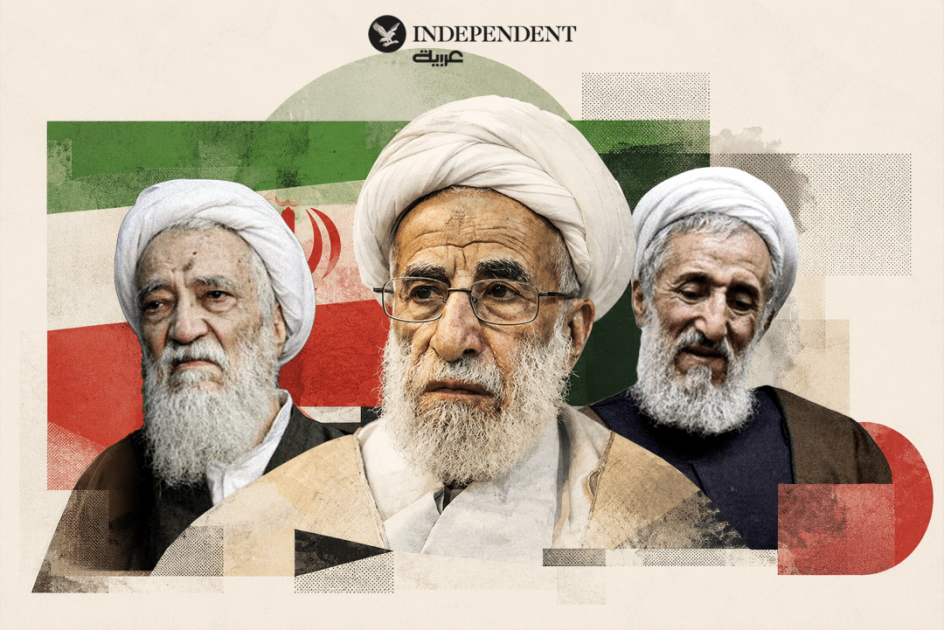
The simultaneous absence of Mohammad Ali Movahedi Kermani, Ahmad Jannati, and Kazem Sedighi comes at a time when the health condition of Iran's new Supreme Leader, Mojtaba Khamenei, remains shrouded in mystery. These three figures appeared almost constantly in the media before the outbreak of the war, but since then, no evidence or indication has emerged to confirm that they are still carrying out their duties in their respective positions.
63 members of Iran's Assembly of Experts, in a letter dated June 27 last month, called for the exclusion of what they described as 'nuclear rights' from the ongoing negotiations with the United States, based on what they said was the stance of Supreme Leader Mojtaba Khamenei, and considered killing US President Donald Trump and Israeli Prime Minister Benjamin Netanyahu a 'religious duty.' However, the secretariat of the Assembly of Experts quickly issued a statement after the letter was published, confirming that its content, from the perspective of the assembly's presidium, was 'unfamiliar and not followed.'
One of the most notable aspects of this letter was the inclusion of Alireza Arafi, a member of the presidium of the Assembly of Experts, among the signatories, reflecting a divergence of positions and a split within the upper echelons of the assembly.
But the letter raised another equally important question: Where is Mohammad Ali Movahedi Kermani, the head of the Assembly of Experts? And why has he disappeared from the scene since the killing of Ali Khamenei, and has he not appeared or played any role in the process of selecting the successor to the Supreme Leader so far?
This absence is not limited to Movahedi Kermani alone; he is not the only elderly figure in the Iranian regime who has vanished from sight over the past four months. Since the outbreak of the war, news of Ahmad Jannati, secretary of the Guardian Council, and Kazem Sedighi, former Friday prayer leader of Tehran, has also been cut off, although both, before the war, appeared regularly in the media or issued positions and statements at least on a near-weekly basis.
The absence of these three senior figures of the Iranian regime, especially under the current circumstances the country is going through, which is one of the most sensitive periods in its history, raises increasing questions about their conditions, ranging from possibilities of retirement or health incapacity, particularly since Ahmad Jannati and Mohammad Ali Movahedi Kermani still hold the positions of secretary of the Guardian Council and head of the Assembly of Experts, two of the most important institutions of the regime, while their silence and absence from the scene are unusual.
Read more
This section contains related articles, placed in (Related Nodes field)
The last public appearance of Movahedi Kermani was through a written letter sent to a memorial ceremony for members of the former Supreme Leader Ali Khamenei's family who were killed in US and Israeli attacks. However, during the process of selecting the Supreme Leader's successor, the head of the Assembly of Experts did not appear at any event, and no statements or images were issued by him, neither before nor after the announcement of the selection of Mojtaba Khamenei, except for a written congratulatory letter sent to him following the announcement of his appointment as the third Supreme Leader of the Iranian regime.
A review of media archives shows that Movahedi Kermani's last public statements before the outbreak of the war date back several months, when he commented on the removal of Kazem Sedighi from the position of Tehran's Friday prayer leader, following the revelation of a financial corruption case linked to his family, saying that 'his situation is no longer what it used to be.'
In the same period, Movahedi Kermani described the United States and Israel, commenting on the 12-day war, as 'lacking reason and perception.' He also proposed, in another stance, granting privileges to women who adhere to the hijab, such as tax reductions and exemption from certain violations, including traffic violations.
However, no recent image of Movahedi Kermani has been published since the killing of Supreme Leader Ali Khamenei on February 28, 2026, an absence that raises serious questions about the condition of the 94-year-old cleric, especially given his position at the head of the Assembly of Experts and the role he was supposed to play in the process of selecting the Supreme Leader's successor.
Mohammad Ali Movahedi Kermani was born in 1931 in Kerman province, and is considered one of the clerics belonging to the first generation of the Iranian regime, having held a series of high-ranking government positions over more than four decades, moving between different positions within state institutions.
During the Iran-Iraq war, he served as Friday prayer leader of Kermanshah, and after the war ended, he was appointed as the Supreme Leader's representative to the Revolutionary Guard, a position he held until 2005, concurrently with representing Tehran in the first five terms of the Iranian parliament. In later years, Ali Khamenei appointed him as a member of the Expediency Discernment Council and as an interim Friday prayer leader in Tehran.
Movahedi Kermani, who described himself as 'loyal and revolutionary,' was known for his opposition to the approval of bills related to the Financial Action Task Force (FATF) during his tenure as acting head of the Expediency Discernment Council. He was also known for his hardline rhetoric from the Friday prayer pulpit. Many social media users in Iran still remember him for a sermon in which he declared that using the Telegram app is forbidden (haram).
In June 2023, Movahedi Kermani, then 92 years old, was elected head of the Assembly of Experts, succeeding Ahmad Jannati. However, the elderly cleric, who for more than four decades held one of the highest positions in the Iranian regime, has now disappeared from view in the most sensitive period of the regime's history, with no image published or appearance at any public event.
Ahmad Jannati's Absence
As for the last public appearance of Ahmad Jannati, secretary of the Guardian Council, it was at a ceremony commemorating February 11, which marks the anniversary of the victory of the Iranian Revolution. Iranian media at the time broadcast images showing the elderly cleric unable to move without assistance, surrounded by his aides and guards to support him as he walked.
Those scenes, which came just before Jannati turned 100, sparked widespread interaction on social media, as a number of users mocked his appearance at the government rally, considering that his health condition is not compatible with continuing to hold one of the most important positions in the regime.
Shortly before that, Jannati had responded to statements by US President Donald Trump, who said that the time had come for a change of leadership in Iran, warning that any 'assault' on the Guardianship of the Jurist would have 'grave consequences' for the United States and the world.
With the outbreak of the war, questions about Jannati's fate intensified. On March 27, a statement attributed to the Guardian Council announced the killing of Mohammad Taqi Jannati. Shortly afterward, as rumors spread about the killing of Ahmad Jannati as well, some Iranian media outlets quickly denied those reports, confirming that the secretary of the Guardian Council is still alive, and that the statement attributed to the secretariat of the council, which was circulated by some media, has no basis.
Original source: Independent Arabia



Comments (0)
Be the first to comment.