Lebanon’s Aoun to meet Trump in Washington to discuss Israel talks

The Lebanese and US presidents are expected to discuss the ceasefire, southern Lebanon, and Israel’s withdrawal.
Discussions between the Lebanese and US presidents are expected to center on the ceasefire, southern Lebanon, and Israel's withdrawal.
The meeting comes as the United States intensifies diplomatic efforts to stabilize the Israeli-Lebanese border following months of cross-border hostilities.
Lebanese President Joseph Aoun will visit the White House to meet his United States counterpart, Donald Trump, as US-led efforts to end the fighting between Israel and Hezbollah enter a new phase.
Aoun, who is travelling at Trump’s invitation, left for Washington on Saturday.
Recommended Stories
list of 4 items- list 1 of 4Lebanon and Israel end sixth round of US-brokered talks
- list 2 of 4What are the obstacles to peace between Israel and Lebanon?
- list 3 of 4‘Destroyed my whole life’: Lebanese families wiped out in Israeli attacks
- list 4 of 4Israeli army destroys three schools in southern Lebanon, minister says
He is expected to meet the US president and other senior officials next week to discuss ways to strengthen the ceasefire, secure Israel’s withdrawal from southern Lebanon and “restore security and stability” across the country, according to a statement from the Lebanese presidency.
The talks will also focus on extending the Lebanese state’s authority across all of its territory.
This marks the first visit by a Lebanese president to Washington since Michel Sleiman met President Barack Obama in 2009.
The visit comes just days after Lebanese and Israeli officials concluded another round of US-mediated talks in Rome. US officials said the two sides had agreed on the next steps for creating “pilot zones” in southern Lebanon, where Israeli troops would begin withdrawing, and the Lebanese army would take over security.
The pilot zones are part of a June framework accord aimed at gradually ending Israel's military presence in southern Lebanon. However, the agreement sets no deadline for Israeli withdrawal; instead, it conditions pullbacks on disarmament by Hezbollah and other armed groups—a demand Hezbollah has rejected.
Israeli attacks continue
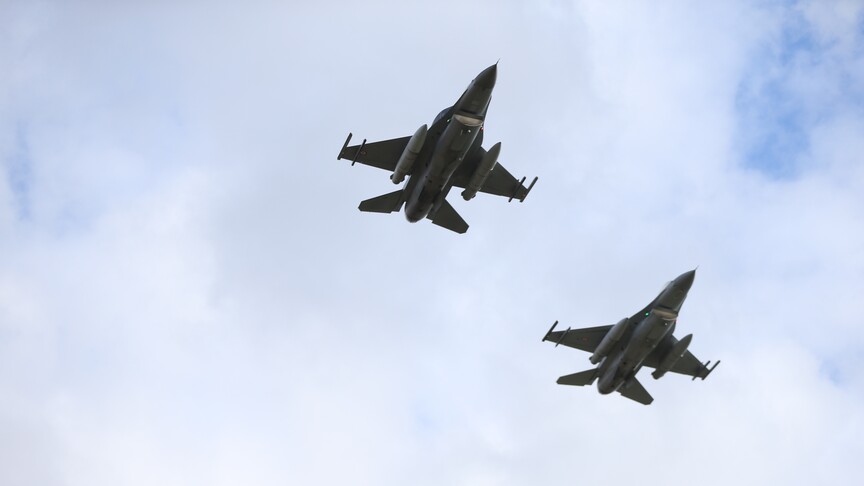
Even as negotiations continue, Israeli forces have remained inside what they call a 10km (six-mile) “security zone” along the border and have continued carrying out air strikes.
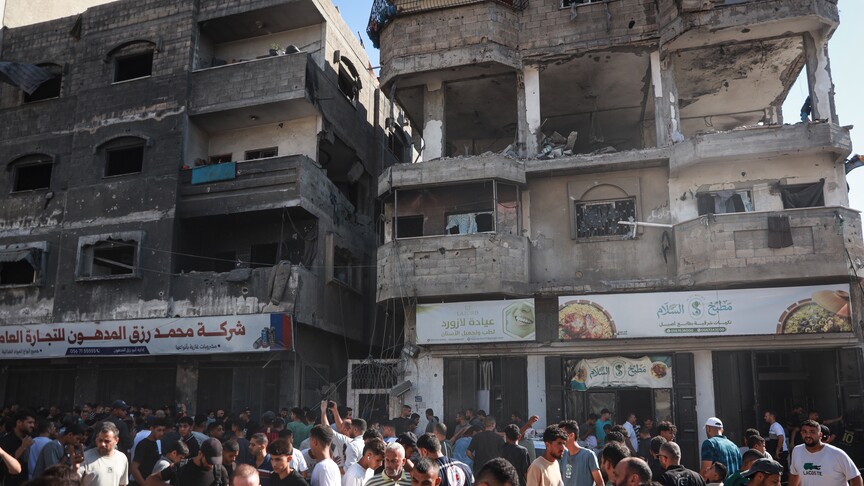
Lebanese state media reported new Israeli attacks on two towns on the edge of the zone in the Tyre and Nabatieh regions on Saturday.
Sign up for Al Jazeera
Americas Coverage Newsletter
The Israeli military said in a statement that it struck a Hezbollah cell near Tebnit in southern Lebanon after soldiers identified a Hezbollah drone in the area, adding that the activity violated ceasefire understandings. There was no immediate comment from Hezbollah.
Israeli officials have said their troops will stay in the security zone for as long as Hezbollah remains armed.
Hezbollah has rejected both the negotiations and the framework agreement, refusing calls to disarm. The group says only continued pressure from its ally Iran can bring about an end to the war and Israel’s withdrawal from Lebanon.
The latest war grew out of months of cross-border fighting between Israel and Hezbollah that followed the start of Israel’s genocide in Gaza in October 2023. The conflict escalated into a full-scale war in March after the US and Israel attacked Iran.
Although a ceasefire is now in place, Israeli forces have remained inside parts of southern Lebanon and continue to launch periodic strikes as negotiations over a longer-term settlement continue.
More than 4,000 Lebanese have been killed and more than a million displaced by Israel’s war on Lebanon since March, according to Lebanon’s Ministry of Public Health.
The meeting between Aoun and Trump marks a rare high-level exchange between the two countries, highlighting the significance of the current ceasefire negotiations. However, the lack of a deadline for Israel's withdrawal and Hezbollah's rejection of disarmament remain key obstacles. Observers will be watching for any concrete progress on the pilot zones and broader security arrangements.
Original source: Al Jazeera



Comments (0)
Be the first to comment.