War Ignites Execution Frenzy in Iran
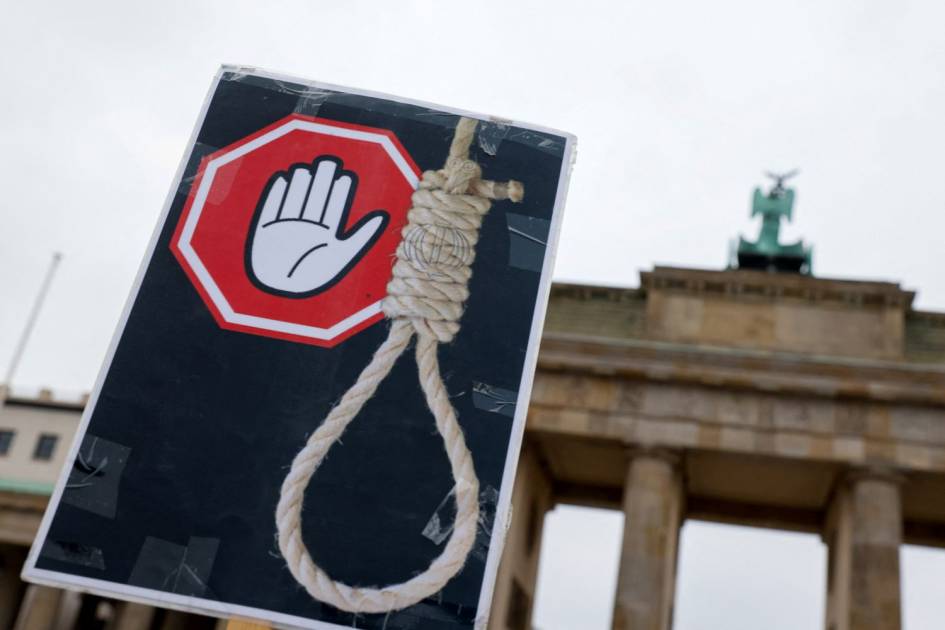
تواصل السلطات الإيرانية تنفيذ أحكام الإعدام بحق سجناء سياسيين ونشطاء منذ انتهاء المرحلة الأولى من الحرب، في وقت تتزايد فيه المخاوف من استغلال التوتر الأمني لتصفية المعارضين.
Political conditions have become more heated after the war, particularly following the killing of Supreme Leader Ali Khamenei and his son Mojtaba succeeding him, noting that the latter has not appeared publicly since his appointment.
The family of Vahid Bani Amerian only learned of his death sentence when they saw reports on mobile phone screens from official Iranian media revealing that the Supreme Court was reviewing the verdict.
A relative of Bani Amerian living outside Iran, speaking on condition of anonymity, said, 'They gave no prior warning. Even the lawyer did not know.' He added, 'It was completely illegal, even by their own repressive laws.'
The death sentence was issued against Bani Amerian (34), an academic teaching physics, along with five others, on charges of belonging to the banned organization 'Mujahedin-e Khalq'. They were all executed by hanging.
Bani Amerian was one of dozens of political prisoners that rights groups say Iran has executed since the outbreak of war with the United States and Israel, some of whom participated in pre-war protests against the authorities, others accused of belonging to banned groups, and others convicted of spying for Israel.
Iran has continued carrying out executions since the end of the first phase of the war in March, which activists see as an attempt to instill fear in society and prevent a repeat of the protests that shook the country's leadership earlier this year.
Political conditions have become even more inflamed after the war, especially after the killing of Supreme Leader Ali Khamenei and his son Mojtaba assuming the position, noting that the latter has not appeared publicly since his appointment.
Anywhere else in the world?
After the collapse of the ceasefire and the return of violent military operations, rights groups fear that Iran will increase the pace of executions to intimidate people and silence them.
Mahmoud Amiri Moghaddam, director of the 'Iran Human Rights' organization, said, 'With the collapse of the ceasefire and the resumption of war, we are deeply concerned that the authorities will exploit the situation to intensify executions of political prisoners.'
The non-governmental organization, which monitors executions in Iran, warned that 'hundreds of political prisoners and protesters currently face charges punishable by death,' with death sentences already issued for about 100 of them.
The sentences include 70 people in just one prison, Dastgerd prison in the city of Isfahan in central Iran.
The organization has repeatedly called for Iran's 'killing machine' to be a central part of any negotiations with Tehran.
Amiri Moghaddam said, 'The international community, and the European Union in particular, must make the immediate halt of executions a central issue' in any negotiations.
According to the organization, 24 people have been executed in connection with the January protests since the start of the war, in addition to two others due to a previous protest movement that shook the Iranian street between 2022 and 2023.
Iranian authorities say the convicts carried out attacks that killed security forces or targeted public buildings, but rights groups say they were tortured and convicted after rapid trials that grossly lacked standards of justice.
Thirteen other men were executed for alleged links to the Mujahedin-e Khalq organization and other banned groups, while ten people were executed on espionage charges.
Despite more than 400 people being executed this year alone, according to the rights organization, such prominent cases do not represent the bulk of death sentences in the country, as most sentences are issued against defendants in drug-related cases or murder.
Read more
Executions continue... Iran hangs 3 men convicted of raping minors
Iran: Campaign of arrests, executions, and confiscation of opponents' funds
Iran records highest execution rate in 35 years in 2025
In protest against the high rate of executions in their prison, inmates of Qezel Hesar prison in Karaj near Tehran began a sit-in on July 13, after a number of their fellow prisoners were transferred to solitary confinement pending execution on drug charges.
Footage shared by rights groups on social media showed some prisoners sitting outside their cells chanting 'No to executions.'
The prisoners said in a statement, 'These are prisoners who made mistakes to secure life's necessities, and they deeply regret their actions. Anywhere else in the world, is a human life taken for a first mistake?'
'Don't cry'
In 2025, Iran executed more than 2,150 people, according to Amnesty International, making it once again, by a wide margin, the country with the most executions in the world after China.
During his last days in prison, Bani Amerian tried to boost the morale of his fellow inmates, and managed to smuggle a voice message to his mother saying, 'I said goodbye to you without knowing what awaited me,' referring to their last meeting.
A video clip also smuggled out of the prison showed him singing the national anthem in the prison yard before his execution.
A relative of Bani Amerian said, 'On the day they took them to solitary confinement, Vahid told them: Don't cry in front of the enemy. We are proud of what we are doing.' He added that they 'did not bow down.'
Original source: Independent Arabia


Comments (0)
Be the first to comment.