Gold Price Continues to Decline Amid Escalating Iran War Tensions

سجلت أسعار الذهب تراجعاً ملحوظاً على وقع تصاعد المواجهات الإقليمية والتوجهات المحتملة لتشديد السياسة النقدية بالولايات المتحدة.
The price of gold retreated as the conflict in the Middle East widened, leading to a rise in energy prices and increasing expectations that the US Federal Reserve will tighten monetary policy to contain inflation.
Gold fell by up to 0.7% to around $4,020 an ounce, after dropping 2% the previous day, thus retreating from most of its gains earlier in the week, which were largely driven by buying on price dips.
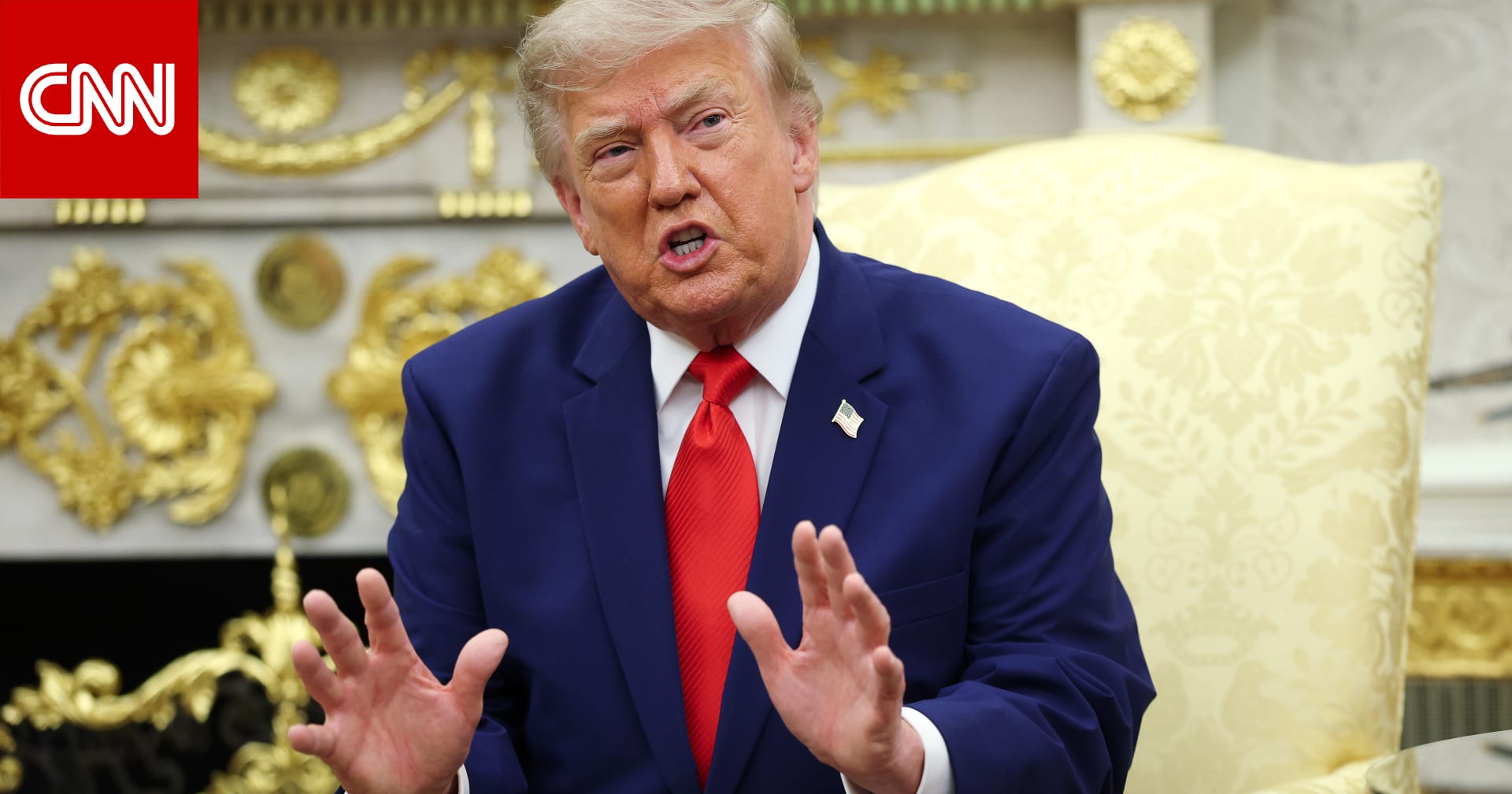
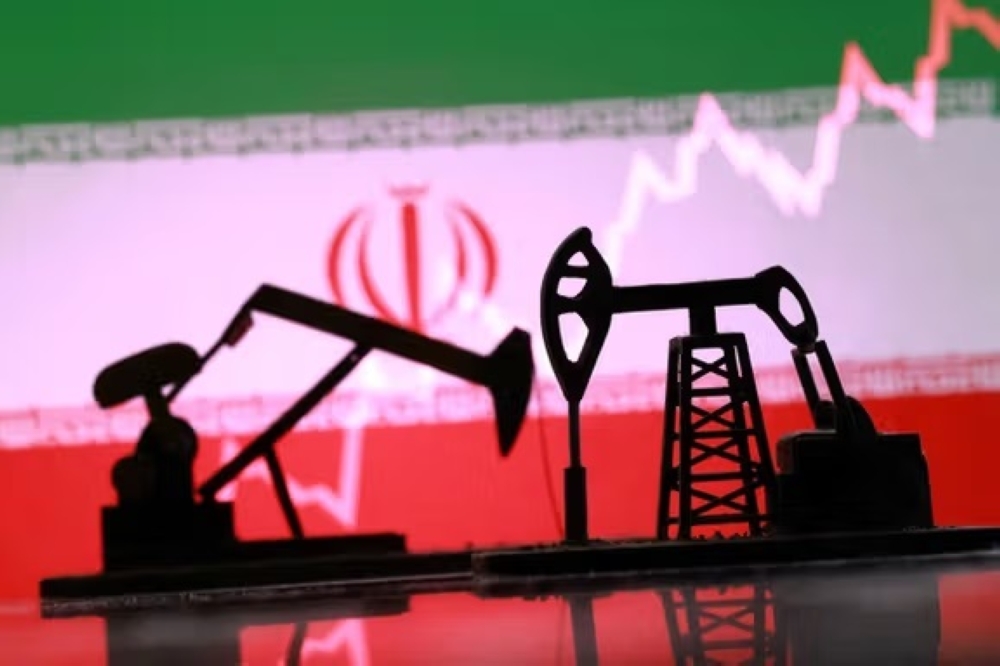
The war entered a new phase of escalation after the effective collapse of a truce signed last month. President Donald Trump threatened to intensify strikes on Iran and said he would hold the country responsible for any further attacks by Yemen-based Houthis on ships in the Red Sea.
Brent crude rose above $100 a barrel for the first time since May, while two-year Treasury yields rose for a sixth consecutive day on Thursday.
In an additional factor adding to uncertainty, the United States announced it would impose tariffs ranging from 10% to 12.5% on imports from most of its major trading partners, accusing their supply chains of using forced labor.
Wed, 22 2026
This is the broadest step Trump has taken toward restoring his protectionist tariff regime since the Supreme Court invalidated his previous tariffs.
Rising energy prices, along with the seemingly resilient US labor market, increase the likelihood that the Federal Reserve will raise interest rates. Higher borrowing costs pressure the non-yielding precious metal.
Analysts at China Zheshang Bank Co. Ltd wrote in a note: 'The recent rally lacks fundamental support. If the money betting on the upside dries up, the rally will become an illusion.'
They added: 'If the Strait of Hormuz remains closed, oil prices stay high, and the Fed maintains a hawkish stance, the gold price recovery will not be sustainable.'
Rate hike bets pressure gold
Swap traders currently see a 34% probability that the Federal Reserve will raise interest rates at its meeting next week. At least one rate hike is already priced in for September, and a second could come before the end of the year.
Gold has hovered largely around $4,000 since late June, which some traders see as a key support level. The precious metal has fallen by about a quarter since the US and Israel launched strikes on Iran in late February, helping to end a multi-year rally that pushed the metal to a record near $5,600 the previous month.
Spot gold fell 0.5% to $4,030.9 an ounce as of 11:46 a.m. in Singapore. Silver fell 0.4% to $57.34 an ounce, after dropping 3.6% in the previous session.
Platinum and palladium fell, while the Bloomberg Dollar Spot Index, a measure of the US currency, was little changed after rising 0.3% on Thursday.
Original source: Aleqtisadiah


Comments (0)
Be the first to comment.