New Legislation Nears Implementation: US Moves to Permanently Abolish Daylight Saving Time
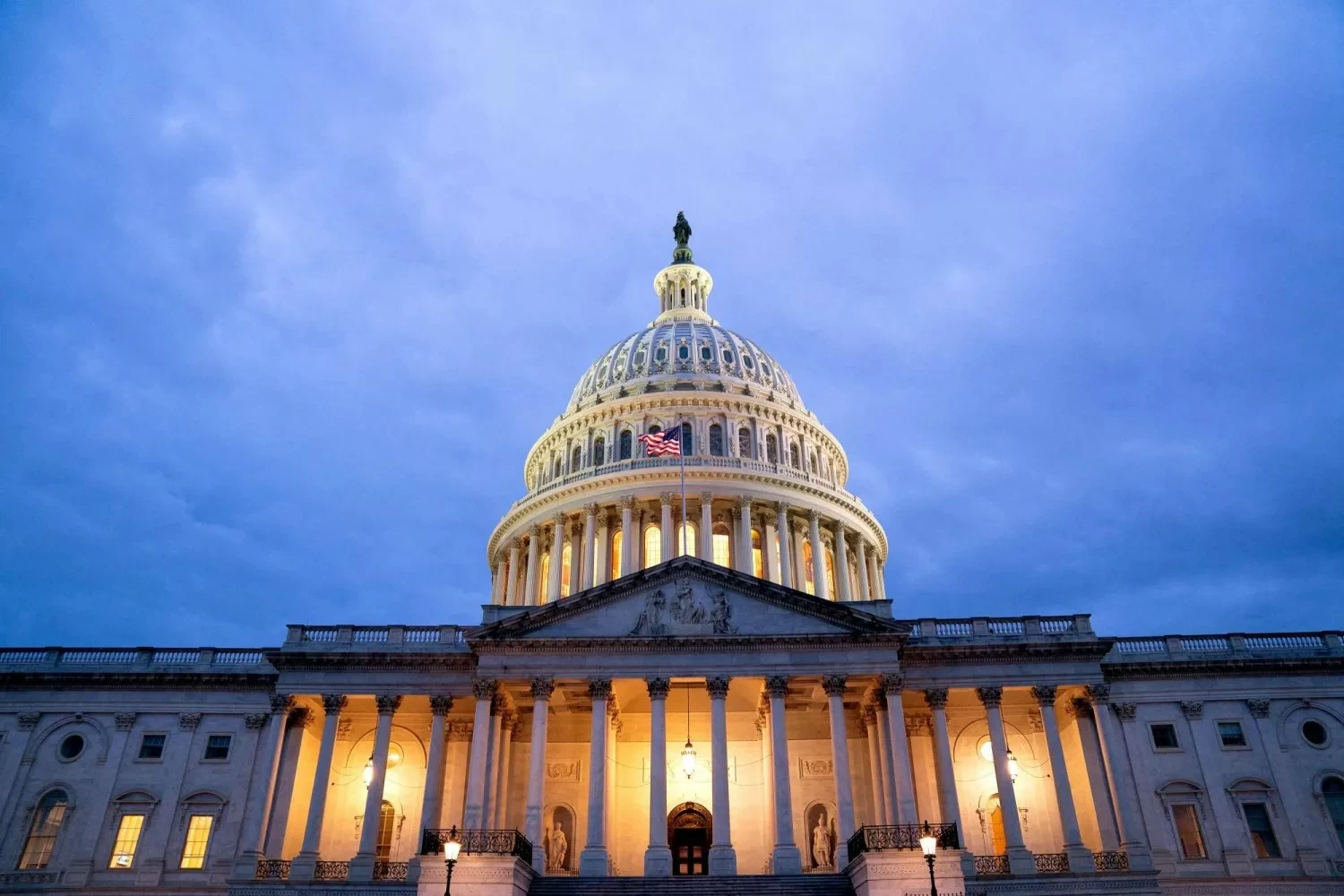
In a notable legislative step, the U.S. House of Representatives approved a bill that enjoys bipartisan support from both the Republican and Democratic parties, which aims to make daylight saving time permanent across the United States, in an attempt to end the practice of changing the clock twice a year, a procedure that has been widely debated for years.
The House voted in favor of the bill, known as the "Sunshine Protection Act of 2025," with a majority of 308 votes to 117, before sending it to the Senate, which will decide its fate in the upcoming phase.
Members of the House added a celebratory atmosphere after the vote, as Vice President of the House of Representatives, Representative Scott DeJarlais, played the intro to the Beatles' song "Here Comes the Sun" over the microphone, in a symbolic gesture reflecting the legislation's aim to increase evening daylight hours.
The bill stipulates the end of the clock change twice a year, while allowing states the freedom not to implement permanent daylight saving time if they choose to do so, although its final approval still depends on the Senate's agreement and the President's signature.
According to a report by ABC News, the Senate had passed a similar bill in 2022, but it was not brought to a vote in the House at that time, while the current legislation has the support of President Donald Trump.
The White House confirmed in a statement that the bill represents a "common-sense reform that enjoys bipartisan support," noting that it will provide more daylight during evening hours, a time when citizens are more active, which could positively impact daily life and economic and recreational activities.
During discussions on the bill, House Energy and Commerce Committee Chairman Brett Guthrie urged members to support it, considering that adopting permanent daylight saving time would shift an hour of daylight from early morning to the end of the day during winter, which supporters of the bill see as more suitable for modern lifestyles.
The change between daylight saving time and standard time has been a controversial issue in the United States for decades, as proponents of permanent daylight saving time argue that it helps maximize the use of daylight hours, supports economic activities, and encourages commercial and recreational movement, while opponents warn of its potential impact on health and sleep patterns, which keeps the debate ongoing despite the legislative progress made by the bill.
In a notable legislative step, the U.S. House of Representatives has approved a bill that enjoys bipartisan support from both the Republican and Democratic parties, which aims to make daylight saving time permanent across the United States, in an attempt to end the practice of changing the clock twice a year, a procedure that has been widely debated for years.
The House voted in favor of the bill, known as the "Sunshine Protection Act of 2025," with a majority of 308 votes to 117, before sending it to the Senate, which will decide its fate in the upcoming phase.
Members of the House celebrated after the vote, as House Speaker Scott DeJarlais played the intro to the Beatles' song "Here Comes the Sun" over the microphone, in a symbolic gesture reflecting the legislation's aim to increase evening daylight hours.
The bill stipulates the end of the clock change twice a year, while allowing states the freedom not to implement permanent daylight saving time if they choose to do so, although its final approval still depends on the Senate's agreement and the President's signature.
According to a report by ABC News, the Senate had passed a similar bill in 2022, but it was not brought to a vote in the House at that time, while the current legislation has the support of President Donald Trump.
The White House confirmed in a statement that the bill represents a "common-sense reform that enjoys bipartisan support," noting that it will provide more daylight during evening hours, a time when citizens are more active, which could positively impact daily life and economic and recreational activities.
During discussions on the bill, House Energy and Commerce Committee Chairman Brett Guthrie urged members to support it, considering that adopting permanent daylight saving time would shift an hour of daylight from early morning to the end of the day during winter, which supporters of the bill see as more suitable for modern lifestyles.
The change between daylight saving time and standard time has been a controversial issue in the United States for decades, as proponents of permanent daylight saving time argue that it helps maximize the use of daylight hours, supports economic activities, and encourages commercial and recreational movement, while opponents warn of its potential impact on health and sleep patterns, which keeps the debate ongoing despite the legislative progress made by the bill.
Original source: Okaz






Comments (0)
Be the first to comment.