Due to wildfires, Toronto records worst air quality in the world
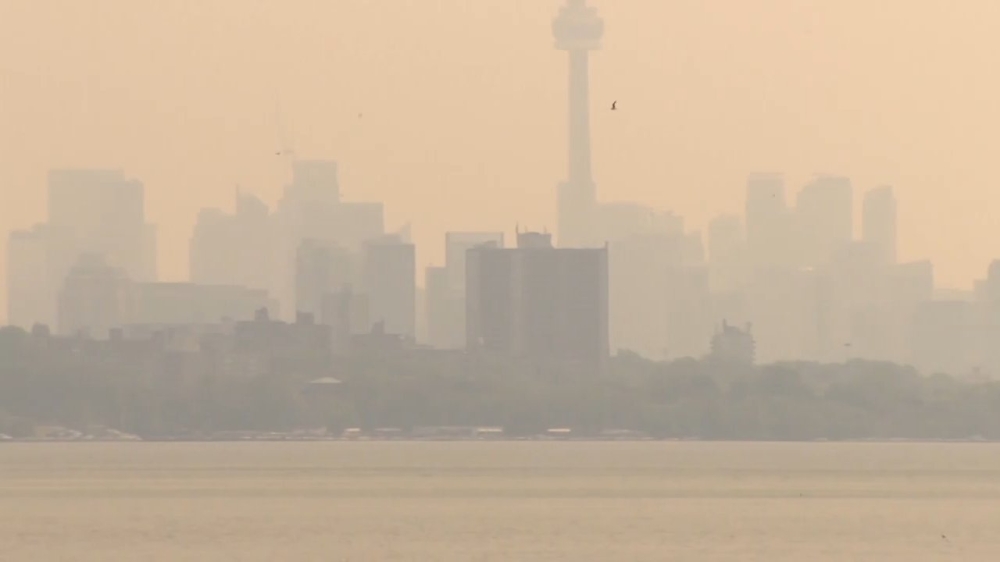
On Wednesday, Toronto recorded the worst air quality among major cities due to smoke from Canadian wildfires, with over 800 fires still burning and authorities urging residents to stay indoors.
On Wednesday, Toronto recorded the worst air quality among major cities in the world, according to Swiss company IQAir, and Canadian authorities urged residents to stay indoors to protect themselves from pollution caused by wildfires.
Arman Araradian of IQAir said the main contributor to the increased air pollution in Toronto currently is wildfires, although higher-than-average temperatures also play a role.
Related news
Toronto surpassed New Delhi and Kinshasa in pollution after smoke from wildfires covered the sky of Canada's largest city with a thick, yellowish-gray haze.
800 fires burning
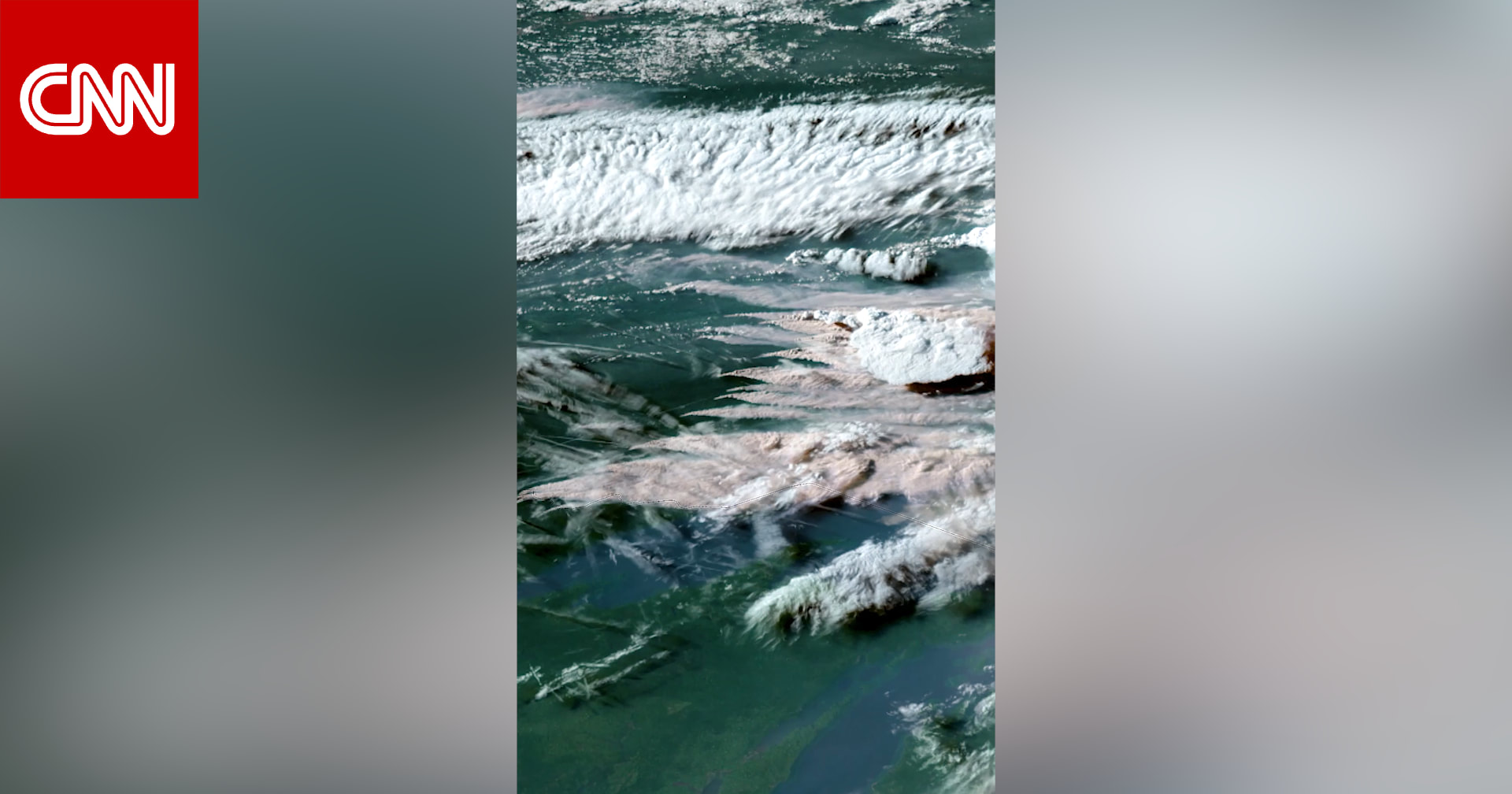
Although this year's wildfire season has been less severe compared to the devastation of recent years, more than 800 fires are still burning across the country. Smoke from the wildfires in northwestern Ontario reached the provincial capital. City officials closed swimming pools, canceled summer camp programs, and shut down the official FIFA fan zone before Wednesday's semifinal match between England and Argentina. Montreal experienced a similar but less severe impact from wildfires on Tuesday. The smoke from the wildfires also deteriorated air quality across the border in the United States, particularly affecting Pennsylvania, New York, Connecticut, Massachusetts, Maine, and New Hampshire.
New York state authorities warned residents of visible smoke and haze in the air across the state and an increase in smoke-related pollution levels.
Continued risk of wildfires
Air pollution poses a threat to the health of Canadians amid an unprecedented heatwave sweeping North America. The heat is expected to subside in Ontario by the end of the week, but officials warned that the risk of wildfires will remain until the end of summer. Wildfires in Canada have burned 1.9 million hectares this year, an area roughly the size of Slovenia. However, these losses are still less than those recorded in 2023, which was the worst year on record for wildfires in Canada, when fires consumed about 18 million hectares of land across the country.
Original source: Al-Yaum




Comments (0)
Be the first to comment.