Intensive calls and regional moves to defuse tension between Washington and Tehran
During phone calls between foreign ministers of Turkey, Egypt, Jordan, Saudi Arabia, Pakistan, Qatar, UAE and Somalia
Istanbul / Anadolu
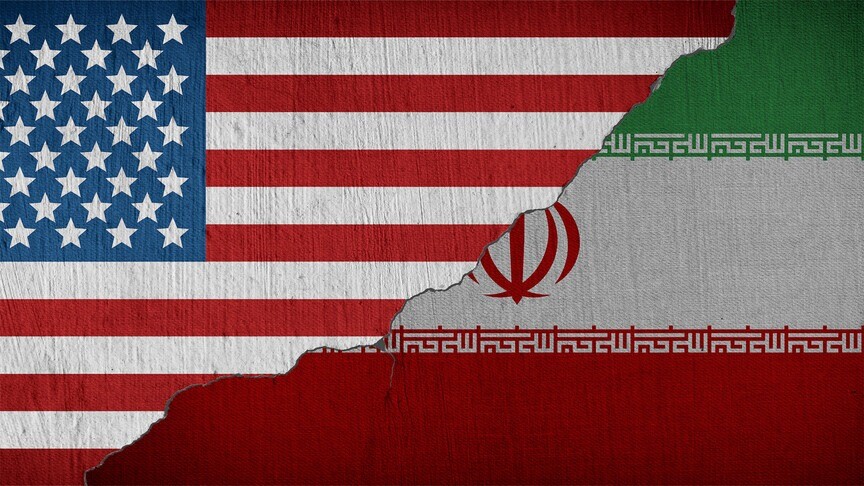
The Middle East witnessed on Saturday a diplomatic move and phone calls involving foreign ministers of 8 Arab and Islamic countries, focused on defusing the tension that has recently escalated between Washington and Tehran.
The calls included invitations to implement the provisions of the memorandum of understanding signed between Washington and Tehran on June 18 last, and to restore the negotiation track between the two parties and push towards reaching a final agreement.
This move coincided with the arrival of Iranian Foreign Minister Abbas Araghchi in the Omani capital Muscat, "to discuss the issue of the Strait of Hormuz, regional developments, and bilateral relations with Omani officials."
*Turkey, Egypt, Jordan
Turkish Foreign Minister Hakan Fidan held two separate phone calls on Saturday with his Egyptian counterpart Badr Abdelatty and Jordanian counterpart Ayman Safadi, discussing regional developments, according to sources at the Turkish Foreign Ministry.
The Egyptian Foreign Ministry stated in a statement that the call between Abdelatty and Fidan witnessed "an exchange of views on regional developments."
The two ministers stressed the importance of de-escalation and containing tension in the region, and intensifying joint efforts to restore the negotiation track between the United States and Iran, contributing to reaching a final agreement through dialogue and diplomacy, and sparing the region the risks of military escalation.
The two ministers also discussed "aspects of coordination within the framework of the four-member regional mechanism that includes Egypt, Turkey, Saudi Arabia, and Pakistan."
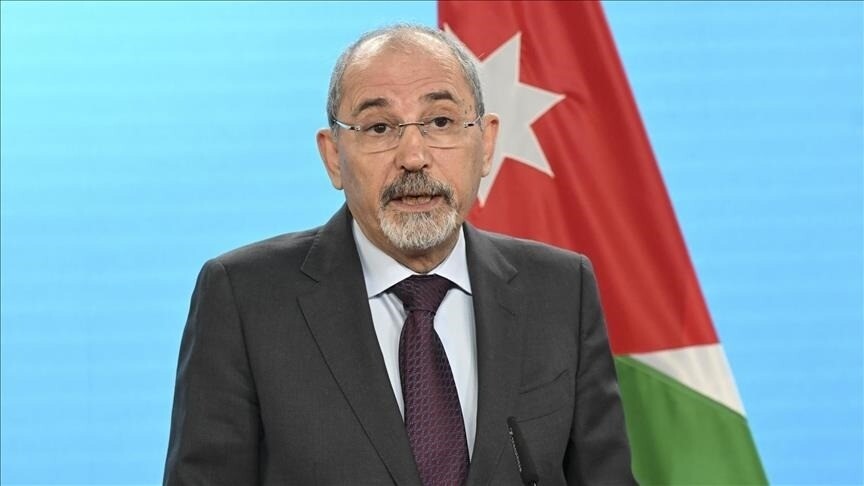
In the same context, the Jordanian Foreign Ministry stated in a statement that the call between Fidan and Safadi discussed "prospects for ending the escalation in the region and efforts made to ensure the implementation of the ceasefire agreement between the United States and Iran."
According to the statement, Safadi and Fidan stressed the importance of joining efforts to consolidate calm and adopting dialogue as a way to resolve the crisis.
On June 18 last, Washington and Tehran signed a memorandum of understanding following negotiations mediated by Qatar and Pakistan, in preparation for reaching a final agreement.
However, tension escalated between the two sides in recent days, as the US Central Command (CENTCOM) announced on Thursday morning the implementation of new strikes targeting about 90 Iranian military sites, including air defense systems, missile and drone storage sites, naval capabilities, and logistics infrastructure on the Iranian coast.
In response, the Iranian Revolutionary Guard announced targeting US military bases in Kuwait, Bahrain, and Jordan, warning of expanding the scope of its attacks if US strikes continue.
*Saudi Arabia and Pakistan
Saudi Foreign Minister Faisal bin Farhan received a phone call from his Pakistani counterpart Mohammad Ishaq Dar, during which they stressed the need to support mediation efforts and resume talks between the United States and Iran, and to contain tension in the region.
This came in a statement by the Saudi Foreign Ministry, which stated that the two sides "stressed the need to support mediation, the return of US-Iranian talks, contain tensions, and make necessary efforts to reach peaceful and comprehensive solutions that enhance regional and international security and stability."
On Friday, the United States demanded that Iran provide a public pledge not to target ships in the Strait of Hormuz and keep all its sea lanes open for commercial navigation, according to US media quoting unnamed officials.
This comes as the Strait of Hormuz region periodically witnesses security tensions against the backdrop of the war launched by the United States and Israel against Iran on February 28, 2026.
Iran insists on the need to coordinate with it before any ship crosses the strategic Strait of Hormuz, which is one of the most important global passages for energy supplies.
While US President Donald Trump claimed on Friday that Iran had asked the United States to resume negotiations and that his country agreed, while confirming the end of the ceasefire.
*Jordan, Qatar, UAE
Foreign Minister Ayman Safadi held two phone calls, the first with his Qatari counterpart Mohammed bin Abdulrahman, and the second with his Emirati counterpart Abdullah bin Zayed, discussing "the latest developments in the region."
A statement by the Qatari Foreign Ministry said that Safadi and Mohammed bin Abdulrahman discussed during their call "the diplomatic efforts made and joint coordination to reduce escalation and enhance security and stability in the region."
Qatar's Foreign Minister stressed during the call "the need for all parties to commit to dialogue and diplomacy, and to implement what has been agreed upon within the framework of the memorandum of understanding between the United States and Iran, including ensuring freedom of navigation in the Strait of Hormuz, to maintain the security of the region, preserve the gains achieved, and enhance regional stability."
He renewed "Qatar's full support for all efforts aimed at defusing tension and reaching a comprehensive agreement that achieves sustainable peace in the region."
In the same context, a statement by the Jordanian Foreign Ministry said that Safadi's call with his Emirati counterpart "focused on efforts to end escalation and achieve sustainable calm in the region."
The two ministers stressed "the need to implement the ceasefire agreement between the United States and Iran, and to reach a comprehensive solution to the crisis that addresses all causes of tension, ensures freedom of navigation in the Strait of Hormuz in accordance with international law, and consolidates lasting security and stability."
In a second statement, the Qatari Foreign Ministry said that Mohammed bin Abdulrahman received a phone call from his Emirati counterpart to discuss "regional developments, diplomatic efforts made, and joint coordination to reduce escalation in the region."
Qatar's Foreign Minister stressed "the need for all parties to commit to dialogue and diplomacy, and to implement what has been agreed upon within the framework of the memorandum of understanding between the United States and Iran, including ensuring freedom of navigation in the Strait of Hormuz, to maintain the security of the region, preserve the gains achieved, and enhance regional stability."
He renewed Qatar's full support "for all efforts aimed at defusing tension and reaching a comprehensive agreement that achieves sustainable peace in the region."
*Egypt, UAE, Somalia
The Egyptian Foreign Ministry said in a statement that Foreign Minister Badr Abdelatty discussed by phone with his Emirati counterpart "the latest regional developments, foremost among them developments related to the memorandum of understanding signed between the United States and Iran."
Abdelatty stressed, according to the statement, "the importance of building on this track to contribute to reducing tensions and enhancing regional security and stability."
He emphasized "the need to take into account the security concerns of the Arab Gulf states, considering their security and stability as an integral part of the Arab national security system."
The Egyptian Foreign Ministry reported in a second statement that Abdelatty discussed with his Somali counterpart Abdusalam Abdi Ali "the latest regional developments."
The Somali Foreign Minister affirmed the keenness to continue coordination and consultation with Egypt on various bilateral and regional issues of common interest.
Original source: Anadolu Agency


Comments (0)
Be the first to comment.