Behind the Absence of Iran's New Supreme Leader... A Reshuffling of Power?
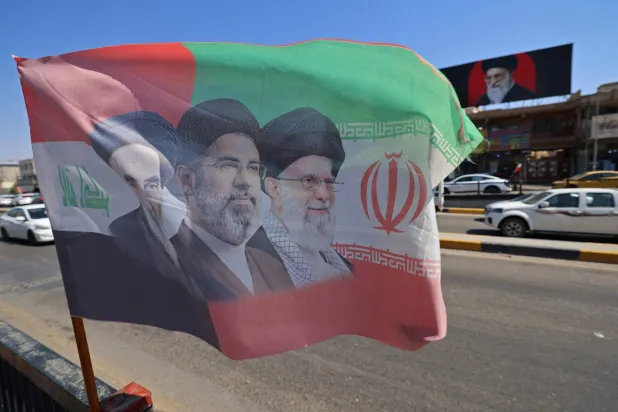
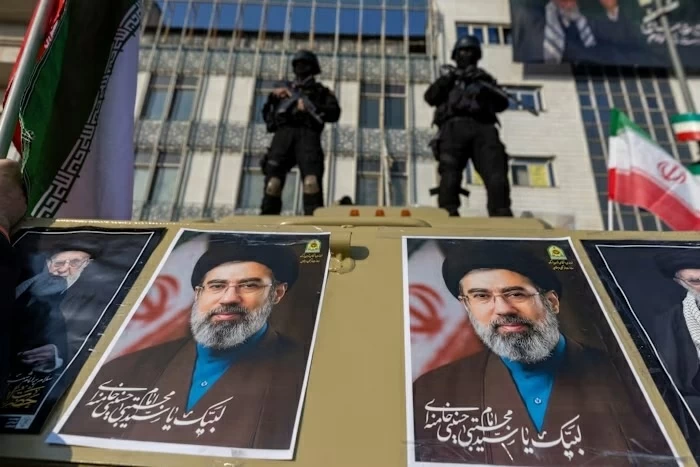
The absence of Iran's new Supreme Leader, Mojtaba Khamenei, from his father Ali Khamenei's funeral rites has raised questions about the mechanism of power management in Iran.
The absence of Iran's new Supreme Leader, Mojtaba Khamenei, from his father Ali Khamenei's funeral ceremonies has raised questions about the mechanism of power management in Iran, at a time when estimates suggest that the recent war has pushed the regime to reorganize centers of power to suit the new phase, according to an analysis by the French newspaper Le Figaro.
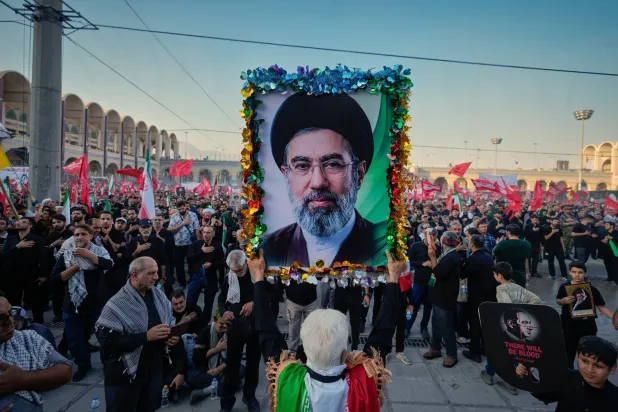
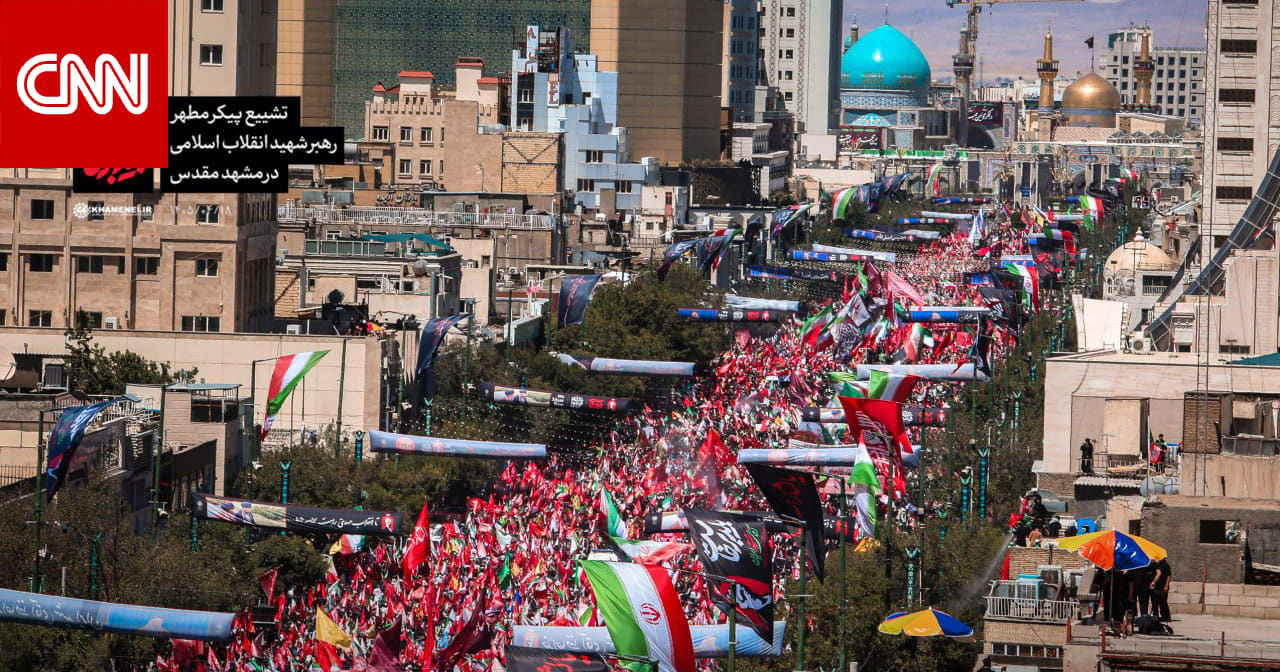
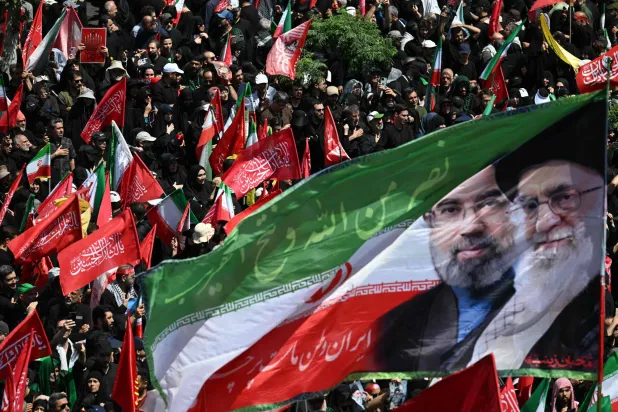
A week after funeral ceremonies held in Iranian and Iraqi cities, Ali Khamenei was buried in the city of Mashhad amid a large public turnout, while his son was absent—he has not appeared publicly since being chosen as Supreme Leader in March. Reports indicate that he was injured during the strike that killed his father, prompting him to remain in an undisclosed location for security reasons.
The Islamic Revolutionary Guard Corps in the Forefront
Despite the new Supreme Leader's absence from the public scene, several indicators suggest that he is managing the country in coordination with senior members of the National Security Council, leaders of the Islamic Revolutionary Guard Corps (IRGC), and intelligence agencies, amid a clear decline in the role of civilian figures, including President Masoud Pezeshkian.
Observers believe that the war has produced a leadership more bold in decision-making, without this being reflected in its treatment of opponents; the strict security approach has remained in place, while the influence of military and security institutions in managing strategic files has increased.
Domestic Flexibility
In contrast, experts warn against interpreting the rise of the IRGC as a complete sidelining of other institutions, considering that the current phase is based on a distribution of roles between the military institution, which is tasked with enhancing deterrence capabilities, and diplomacy, which continues to manage the political and legal track of relations with the United States.
Domestically, the new leadership is showing flexibility on some social issues, as authorities have continued to turn a blind eye to many women not adhering to the hijab, an indication of their awareness of the difficulty of returning to previous policies after the protests the country witnessed.
Observers see that the reshuffling of power did not begin with the recent war alone; its roots go back to 2018, following the US withdrawal from the nuclear deal and the return of sanctions. Since then, a new generation has emerged within state institutions, possessing greater academic and organizational expertise, but it does not differ from its predecessors in adhering to a hardline approach, which, according to these estimates, contributed to enhancing the regime's ability to withstand recent confrontations.
Original source: Asharq Al-Awsat
Comments (0)
Be the first to comment.