Iranian MP: Criticism of Ghalibaf Aimed at Excluding Him
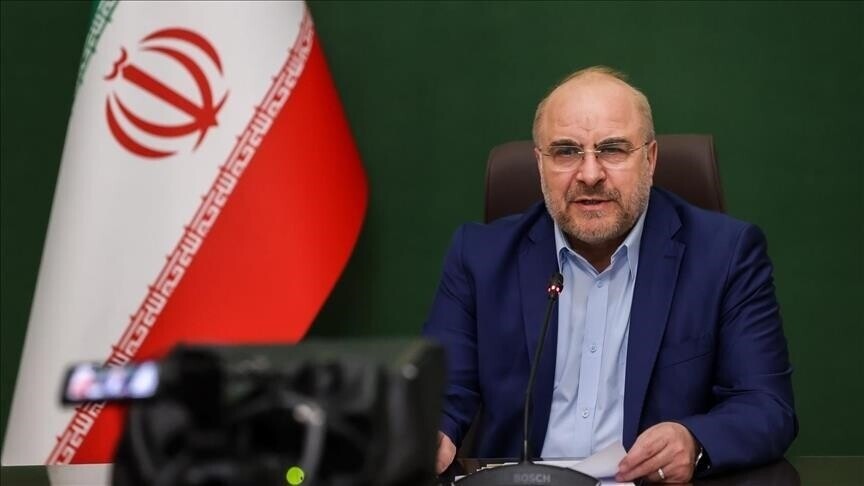
A member of the Iranian parliament's economic committee, Mohammad Bagheri Bonabi, denied the validity of the claims that Ghalibaf prevented the holding of parliament sessions to prevent opposition to the ongoing negotiations with the United States..
Istanbul / Anadolu
A member of the Iranian parliament's economic committee, Mohammad Bagheri Bonabi, said that the criticisms directed at Parliament Speaker Mohammad Baqer Ghalibaf, who also heads the negotiating delegation with the United States, carry political aims to 'exclude him from the political arena.'
In a statement to the local website 'Khabar Online' on Sunday, Bonabi denied the validity of the claims that Ghalibaf prevented the holding of parliament sessions.
The Iranian lawmaker considered that those who promote these claims are seeking to settle political scores, stressing that such attempts weaken parliament, the country, and the 'revolutionary forces.'
Bonabi noted that the smear campaigns that began targeting Ayatollah Beheshti and later extended to former presidents Hashemi Rafsanjani and Mohammad Khatami, are now turning towards Ghalibaf, adding: 'They want to exclude Ghalibaf from the political arena.'
He also believed that those behind these attempts 'are not people who think about the interest of the system,' but rather contribute to stirring controversy and creating crises, considering that the accusations against Ghalibaf are political in nature.
Tehran lawmaker Kamran Ghadanfari, close to the 'Paydari Front' (the Islamic Revolution's Stability Front) in Iran, claimed that Parliament Speaker Mohammad Baqer Ghalibaf kept the parliament closed to prevent opposition to the ongoing negotiations with the United States.
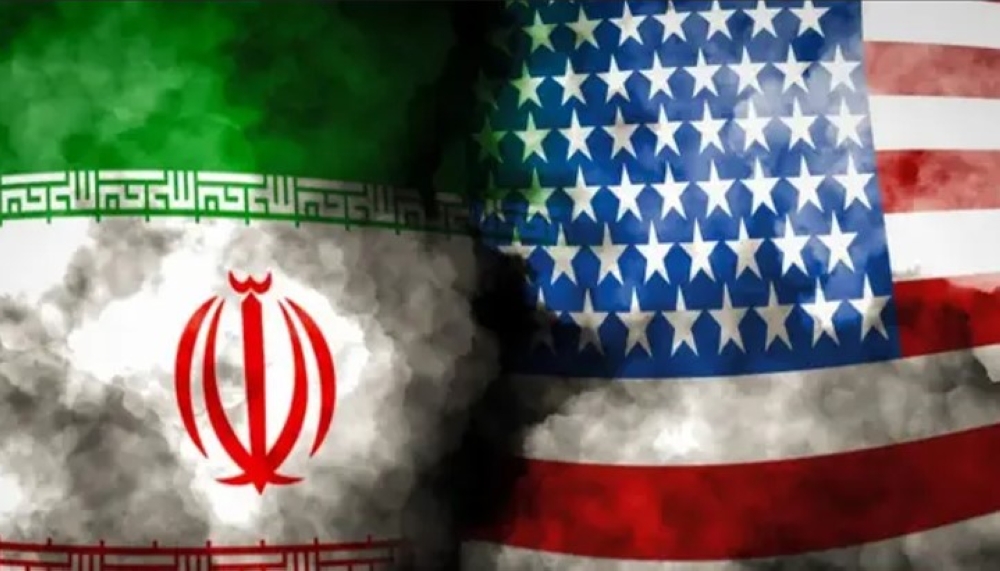
For about a week, the United States has been launching successive waves of strikes on sites inside Iran, while Tehran responds with attacks on sites and bases it says are US military in several regional countries.
On June 18, 2026, Washington and Tehran signed a memorandum of understanding that included a halt to military operations and the start of negotiations to reach a broader agreement.
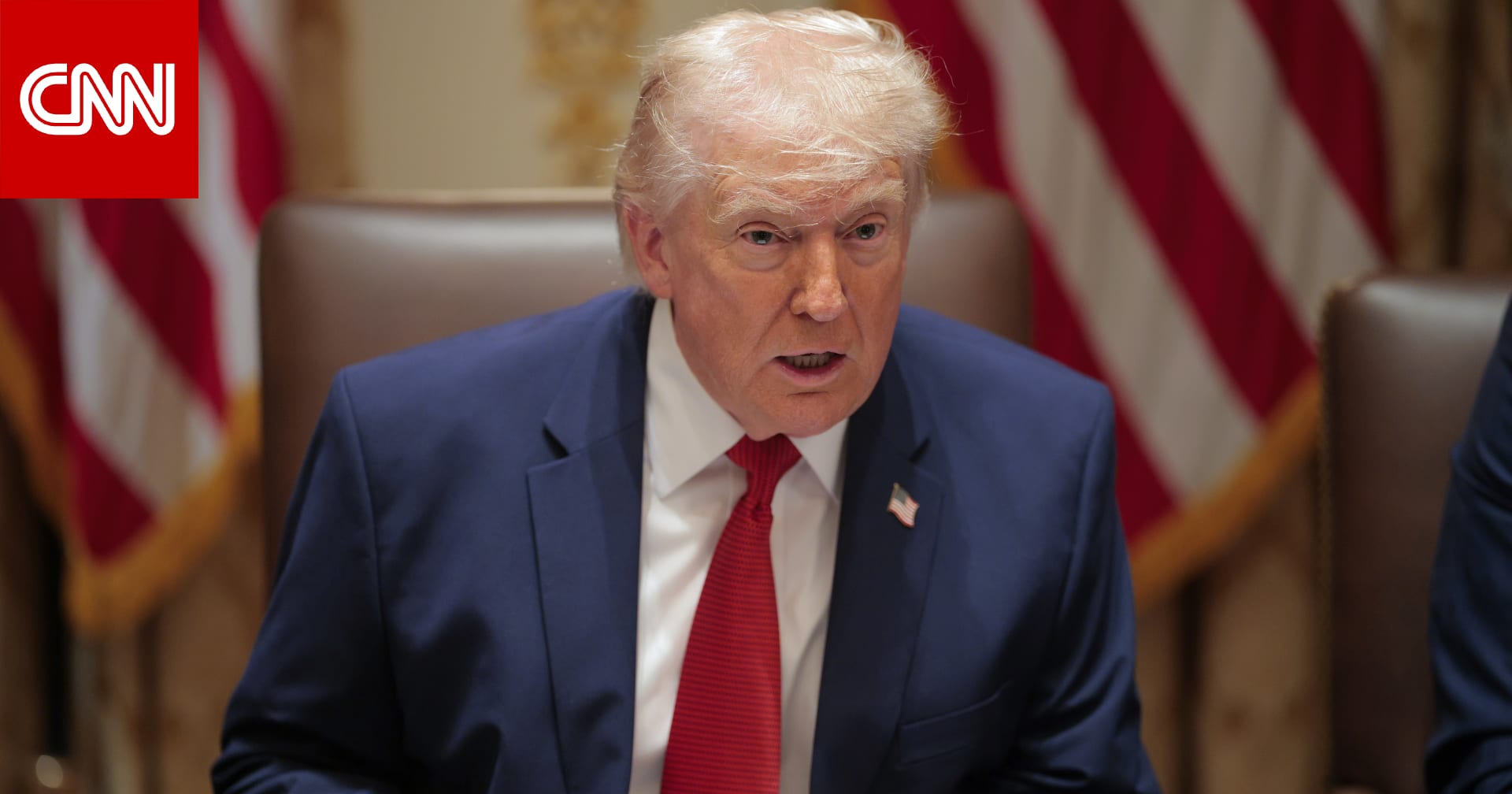
However, US President Donald Trump announced on July 8 that the interim agreement had ended after Iran targeted three ships in the Strait of Hormuz, prompting Washington to resume its strikes inside Iran amid escalating Iranian responses.
Washington demands ensuring freedom of navigation and its security in the Strait of Hormuz, while Tehran insists on imposing a mechanism to regulate the passage of ships through the strategic waterway, exacerbating fears of disruption to oil and gas exports from the region.
Original source: Anadolu Agency


Comments (0)
Be the first to comment.