Burnham: The British are tired and we must be better

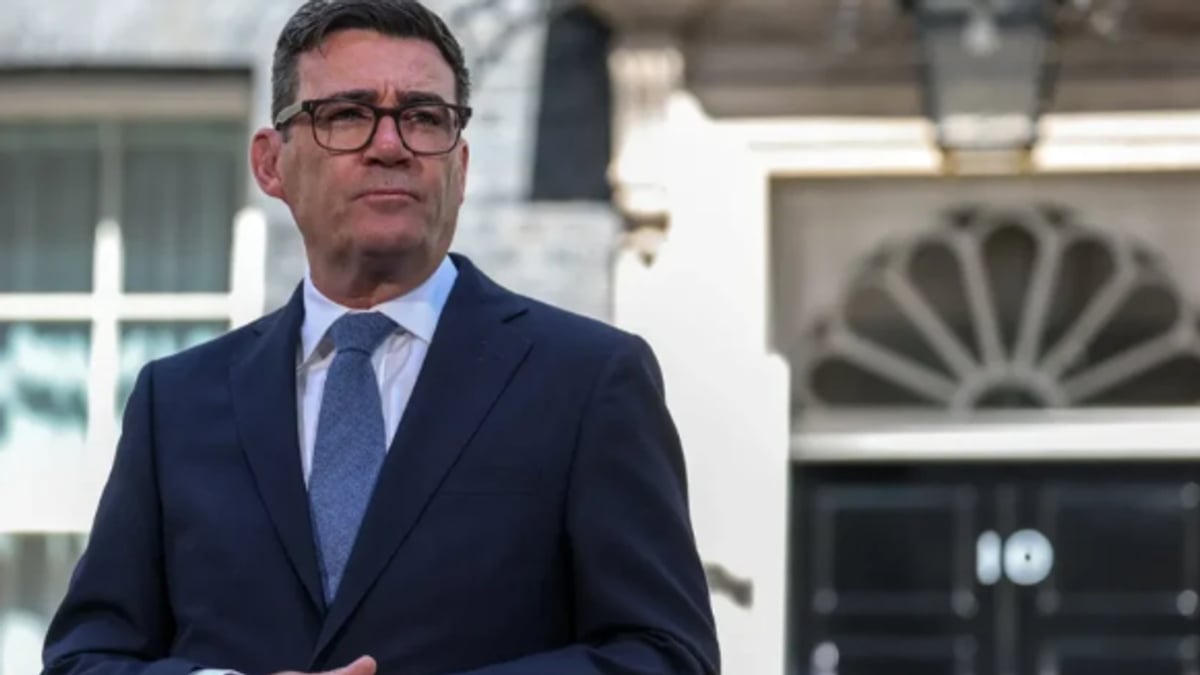
Andy Burnham became the seventh Prime Minister of Britain in a decade on Monday, vowing to reshape the country's political landscape to implement a new economic model and revive a nation 'tired' of frequent leadership changes.
Burnham said in a speech outside the Prime Minister's residence that politicians had failed to achieve the stability needed to raise living standards, something he said he would change by taking immediate measures and setting out a long-term plan later this year.
Burnham spoke without notes and delivered a speech focused on domestic affairs to instill hope in a nation that, like many European countries, has suffered for years from high prices and weak economic growth. He did not touch on foreign affairs.
Related News
With his first decision to appoint a finance minister, Burnham affirmed his intention to break traditional political patterns. Burnham chose former Defense Secretary John Healey for the second most powerful post in government, a notable step of promoting a politician who had resigned during Keir Starmer's tenure in protest over what he saw as rigidity and lack of flexibility in Treasury policies.
Burnham said: 'I know that people in our country are tired of politics. I hear you, and I want to be honest with you, we haven't been good enough and we must be better.'
Burnham pledged to use his premiership as a 'turning point for Britain,' arguing that the country needs a new model for rebuilding after years of political turmoil following the 2016 vote to leave the European Union.
Long-term plan
Just over an hour after his predecessor and Labour colleague Keir Starmer delivered a farewell speech saying 'my mission is accomplished,' Burnham (56) entered the Prime Minister's residence at Downing Street, where he confirmed that his team would begin addressing his first priority: ending homelessness and rough sleeping.
After unveiling his cabinet — which has already become a topic of wide debate within the Labour Party — Burnham will have to tackle a long list of problems ranging from high levels of illegal immigration to poor performance of public utilities.
The first major decision was choosing Healey as finance minister after Rachel Reeves became one of several Starmer allies to leave the government. Disagreements in this government axis had led to the fall of previous administrations.
Labour lawmakers welcomed the move, saying it would send a message to US President Donald Trump and NATO that Britain is serious about defense funding, and that keeping Home Secretary Shabana Mahmood in her post would mean she can proceed with her reforms to try to control illegal immigration.
Energy Secretary and former Labour leader Ed Miliband was chosen to become Foreign Secretary.
The departure of several Starmer allies indicates Burnham's intention to break with what he calls past policies and form a new, more flexible government to implement policies faster and more boldly.
In his short speech, which included few policy details, Burnham said he would announce a long-term plan for the next decade within months, and repeated his pledge to build more public housing and help cut welfare spending to finance greater defense investments. Opposition parties noted he would need to win a general election to get a mandate for this plan.
But he promised to unveil on Tuesday immediate measures to ease the daily pressures Britons face, and explain how they will be funded.
Speaking to reporters on Monday evening, Burnham said he was finalizing the details of those measures, which he described as 'things people will feel very quickly.'
His first phone call was with Trump, as Burnham suggested the US president visit Manchester.
A spokesperson for the British government said in a statement: 'The Prime Minister stressed his commitment to defense and security,' adding that Burnham made clear Britain's commitment to ensuring freedom of navigation in the Strait of Hormuz.
unmute
Andy Burnham officially takes over after meeting King Charles
Original source: Sky News Arabia



Comments (0)
Be the first to comment.