California Closes 'Epstein Loophole' with New Law
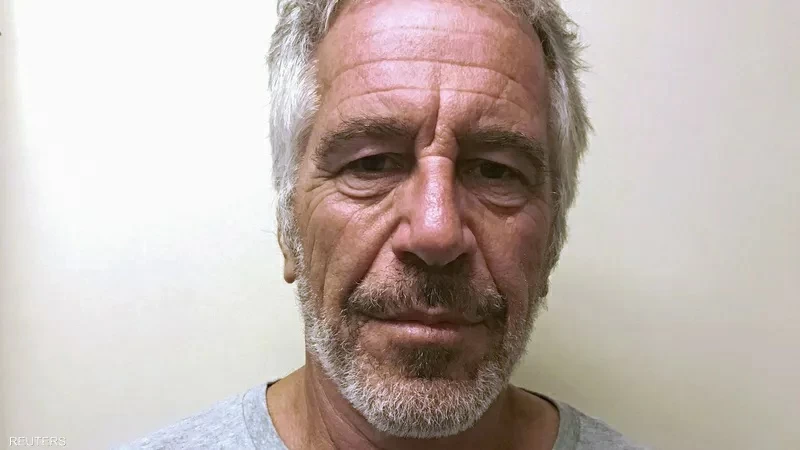
California Governor Gavin Newsom has signed new legislation that tightens restrictions on what is colloquially known as the "Epstein loophole," in a move aimed at preventing defendants and convicts of serious crimes from exploiting mental health treatment programs to avoid prison sentences, while granting judges broader discretion in assessing each case.
Amendment Grants Judges Broader Powers
The law amends legislation passed in 2018, which required judges to refer certain eligible defendants to mental health treatment programs if it was proven that a mental disorder contributed to the commission of the crime, provided that the defendant did not pose a danger to public safety.
Under the new amendment, referring defendants to those programs has become a discretionary decision for the judge, who considers the nature of the crime, its severity, community safety, and the likelihood of harm to others before issuing a ruling.
Newsom: Treatment Does Not Eliminate Accountability
Gavin Newsom emphasized that the legislation does not aim to eliminate mental health treatment programs, but rather seeks to strike a balance between treatment and legal accountability, stressing the need to prevent serious offenders from exploiting these programs.
Controversial Cases
The amendment to the law followed a wave of criticism sparked by several cases, most notably the case of former Kern County official Zach Scrivner, who was referred to a mental health treatment program despite facing charges related to child abuse and possession of assault weapons, which led to widespread calls for a reconsideration of the law.
Political pressure also intensified following statements from Robert Scrivner, who accused his father of abusing him and his siblings, arguing that his referral to treatment instead of prison revealed legal loopholes that needed to be addressed.
Widespread Support and Human Rights Concerns
The new legislation received support from both the Republican and Democratic parties, as its proponents viewed it as restoring judicial discretion and preventing the misuse of mental health treatment programs in violent crimes, while human rights organizations warned that the amendments could reduce treatment opportunities for individuals whose crimes are genuinely linked to mental disorders.
What is the "Epstein Loophole"?
The term "Epstein loophole" is a media and political description, not an official name for the law, and refers to the possibility for some defendants of serious crimes to benefit from mental health treatment programs instead of prison if it is proven that a mental disorder contributed to the commission of the crime.
The term gained its name from Jeffrey Epstein, who was associated with cases of sex trafficking and the exploitation of minors, and has become a symbol in the United States of the debate over impunity.
Balance Between Treatment and Justice
The amendment to the law reflects a growing trend within the United States towards achieving a balance between providing mental health treatment for defendants suffering from mental disorders and ensuring that these programs do not become a means of escaping punishment for crimes that threaten community safety and the rights of victims.
Original source: Okaz




Comments (0)
Be the first to comment.