Camellia Entekhabi Fard | Ahmadinejad... Threat to the Revolutionary Guards and Israel

Summary: The decline of the sacred aura around the Supreme Leader and his preoccupation with popular national symbols among Iranians, such as reviving the memory of Cyrus the Great and supporting women's entry into stadiums, led the regime to consider these moves a serious danger. In response, the Assembly of Experts decided to exclude any figure associated with Ahmadinejad from running in elections.
These developments reflect a shift in Ahmadinejad's position from being part of the system to an open opposition, highlighting the internal conflict between different currents in Iran.
Before assuming the presidency, Mahmoud Ahmadinejad was considered a loyal figure to the power structure and was close to the Supreme Leader. The full support of the former Supreme Leader in the 2005 election played a decisive role in his victory. His history of supporting the system, along with rumors about his role in events such as the occupation of the US embassy, made him, in the eyes of some ruling circles, a 'revolutionary' figure and a trusted one.
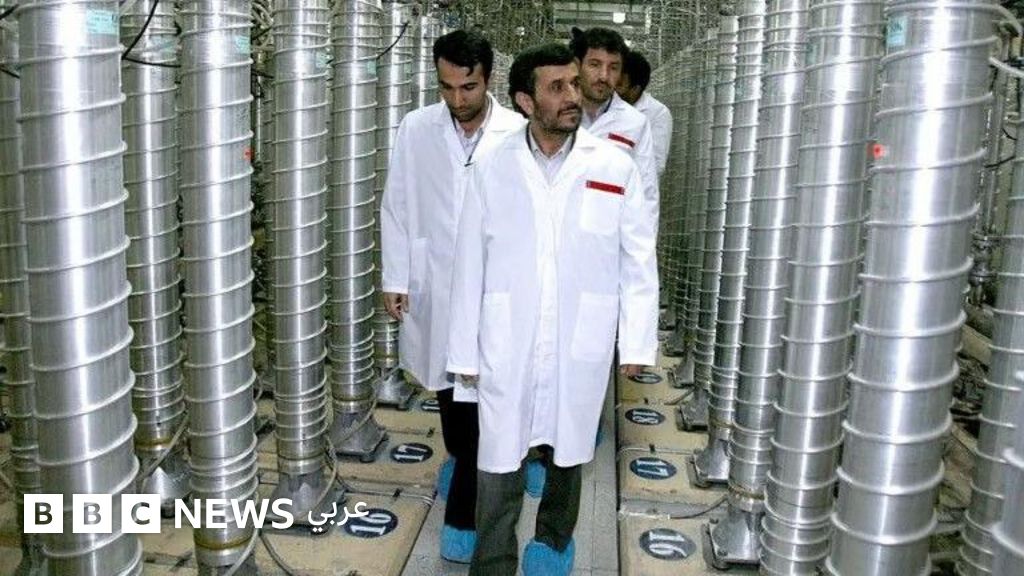
But after coming to power, Ahmadinejad clashed with the structural corruption within the ruling institutions, especially the Revolutionary Guards, the networks linked to the Supreme Leader's office, and the mafias of relatives of officials connected to the regime. He found that the embezzlement operations amounting to billions of dollars under the guise of circumventing sanctions through fake companies, in addition to the influence of these networks in the economy, were unbearable. Hence, he introduced into Iranian political and social discourse the term 'smuggler brothers,' a sarcastic reference to elements of the Revolutionary Guards who profited from the sanctions trade.
The Expediency of the Guardianship of the Jurist
Over time, Ahmadinejad began to declare his opposition more clearly, even saying in response to a question about the possibility of the Supreme Leader's error: 'The Supreme Leader is human, makes mistakes, and is not infallible.' This stance was the beginning of enmity between him and circles within the Revolutionary Guards and the close circle of the Supreme Leader's office.
During his first term, he remained silent about the structure of governance, but in his second term he began calling for institutional changes and declared his opposition positions more clearly. He sought to bring figures close to him into parliament and local councils to form a parliamentary majority, and at the national level he adopted the idea that the Guardianship of the Jurist is not necessary.
Read more
Ahmadinejad... The Cloak and the Mask
Good details about the Mossad's attempt to recruit Ahmadinejad and his office denies
Early target of the war... Reinstating Mahmoud Ahmadinejad as president of Iran
Sources: Failed assassination attempt on Ahmadinejad
The reduction of the halo of sanctity surrounding the Supreme Leader, and his attention to national symbols popular among Iranians, from reviving the memory of Cyrus the Great to supporting allowing women into sports stadiums, led the regime to consider these steps a serious threat. In response, the Assembly of Experts decided to prevent any figure associated with Ahmadinejad from running in elections.
After his second term ended, pressure on him increased. His aides Esfandiar Rahim Mashaei and Hamid Baghai were imprisoned in 2015 and 2017. Baghai suffered psychological problems, while Mashaei was transferred from prison to hospital, then disappeared before being transferred to a psychiatric hospital. Despite the failure of attempts to fabricate judicial cases against Ahmadinejad himself, he was prevented from running for president again.
Power Vacuum and Threats
After two rounds of war with Israel and the United States, and the killing of the Supreme Leader of the Iranian regime, and the emergence of a power vacuum, the Revolutionary Guards have practically become the only dominant force. In these circumstances, Ahmadinejad represents a major threat to the Guards and a real source of concern for them.
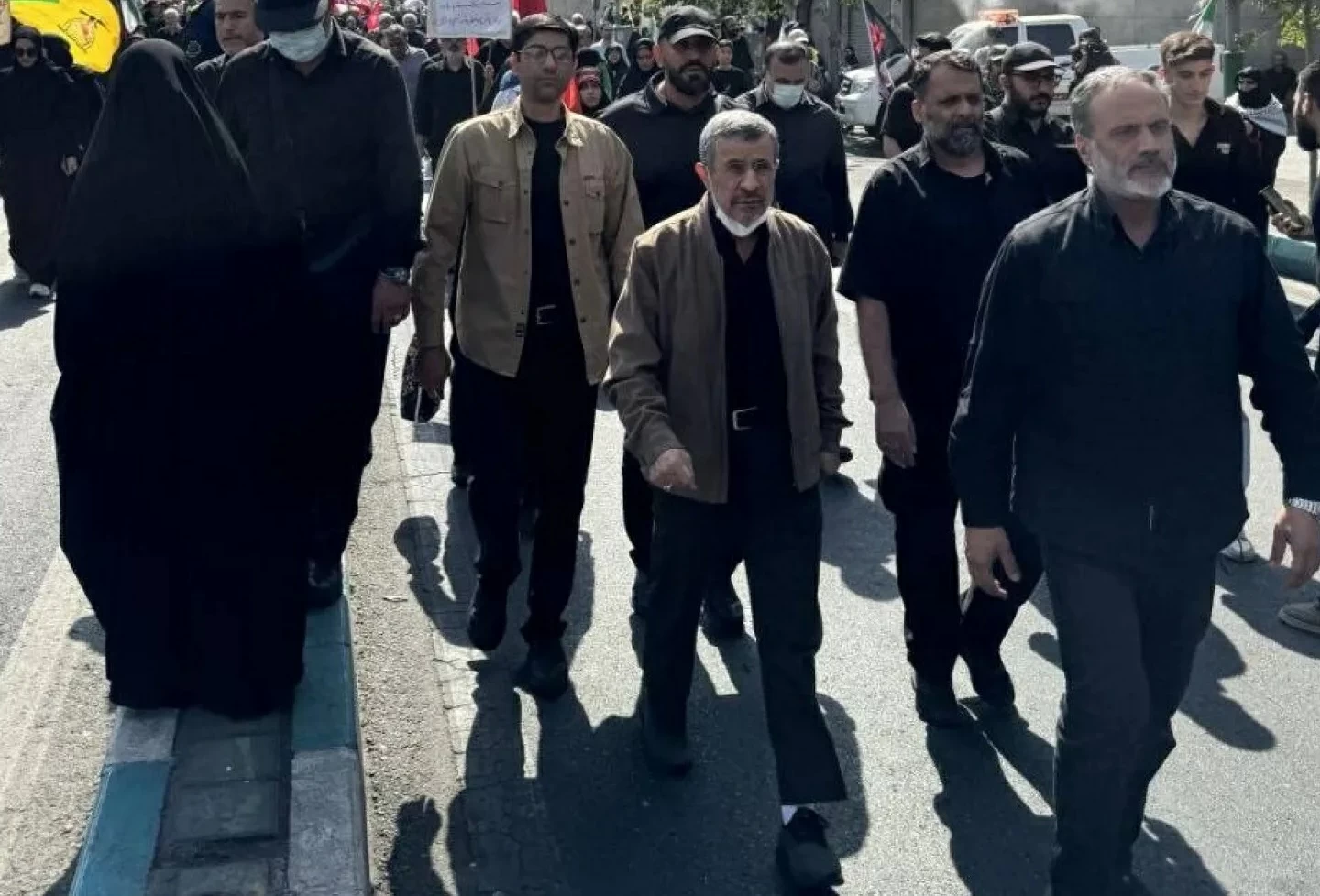
This is mainly due to his widespread popularity, especially in villages and urban outskirts. His tours in the provinces over the past two years have shown the size of his popular base among the poor and marginalized groups, who see him as the man who, during his presidency, was able to confront chronic poverty and social discrimination through cash support, housing, and health services programs.
An example of this is the protests related to local problems in the city of 'Shandiz' near Mashhad in April 2019, where gatherings in the city center were limited and under control, while the presence of Ahmadinejad's supporters was notable in the suburbs and rural areas, a matter that did not receive much attention at the time.
The New York Times' Narratives
This introduction leads to two notable articles published by the New York Times about Mahmoud Ahmadinejad, containing allegations about his connection to Israel and a plot by the Mossad to exploit him, narratives reminiscent of the methods of the Revolutionary Guards intelligence operations rooms in defaming figures and fabricating files against opponents of the regime.
According to the articles, 'anonymous intelligence sources' provided media outlets such as the New York Times with information apparently aimed at portraying Ahmadinejad as a 'foreign agent.' At the same time, there are documented facts about attempts to assassinate him from within the regime, including tampering with his car's brakes after its repair inside the presidential institution under the supervision of the protocol unit, in a step believed to have been intended to stage a traffic accident leading to his liquidation, and he was subjected to a similar incident during a visit to Turkey.
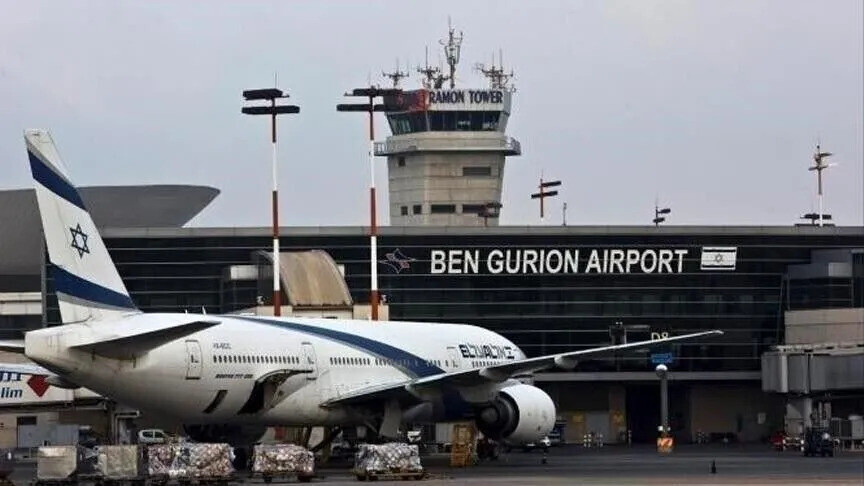
The latest New York Times report claims that Israel worked for years to recruit Ahmadinejad and 'prepare' him, and that it met him in Hungary, and even tried during the early days of the war, after bombing his home to neutralize Revolutionary Guards intelligence monitors, to move him to a safe haven belonging to the Mossad. The new report says he was indeed moved to that safe haven, was wounded, became dissatisfied with the plan, and is currently under house arrest under the supervision of the Revolutionary Guards.
However, this narrative contains obvious contradictions. If the goal was to install Ahmadinejad as a future leader, why was his home targeted with a bombing that could have killed him? How did Mossad agents manage to move him to a safe haven, and then not exploit the chaotic situation to implement their plan?
This contradiction between targeting him and rescuing him raises questions about the credibility of these narratives, in addition to the fact that Ahmadinejad was known during his presidency for his harsh positions against Israel, including Holocaust denial and his repeated slogans about eliminating Israel, as well as his frequent talk, based on documents he claimed to possess, about relations between senior officials in the Iranian regime and Israel.
During his second term, he confronted what he described as the 'mafia' of the Ministry of Intelligence and the Revolutionary Guards, dismissed the intelligence minister loyal to the Supreme Leader, ordered the storming of the ministry building, and seized important documents from it. After his confrontation with the former Supreme Leader, he retreated to his home for several days and threatened to resign.
Sowing Doubt
In the early days of the war, a video clip of him from 2021 circulated widely, in which he talks about cooperation between officials inside the Iranian regime and Israel, and says: 'The highest official responsible for combating Israeli espionage in the Ministry of Intelligence turned out to be a spy for Israel.'
From this perspective, the publication of such narratives, whether by parties inside Iran or outside, may aim to sow doubt among Ahmadinejad's supporters, in addition to settling scores with his previous positions.
Today, Ahmadinejad is seen not only as a former president but as a symbol of an 'opponent from within the system,' who protested structural corruption, and still enjoys support from traditional sectors, especially in villages.
Original source: Independent Arabia
Comments (0)
Be the first to comment.