Canada marks Gordie Howe bridge opening without US after trade war deepens

Canada cancelled planned cross-border ribbon-cutting ceremony and the milestone opening was only among Canadians.
By Reuters
First published on July 24, 2026.
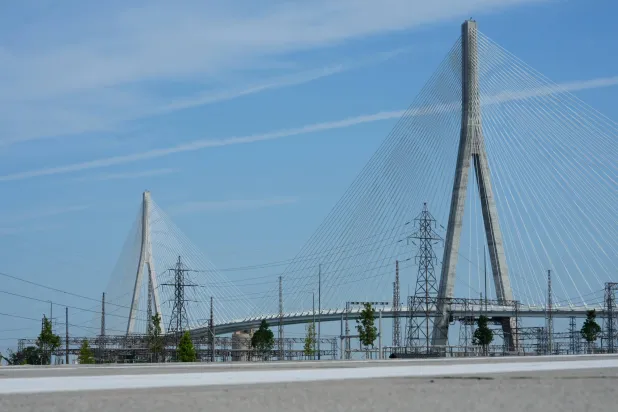
The Gordie Howe International Bridge is a major infrastructure project designed to alleviate congestion at the busiest commercial border crossing between Canada and the United States.
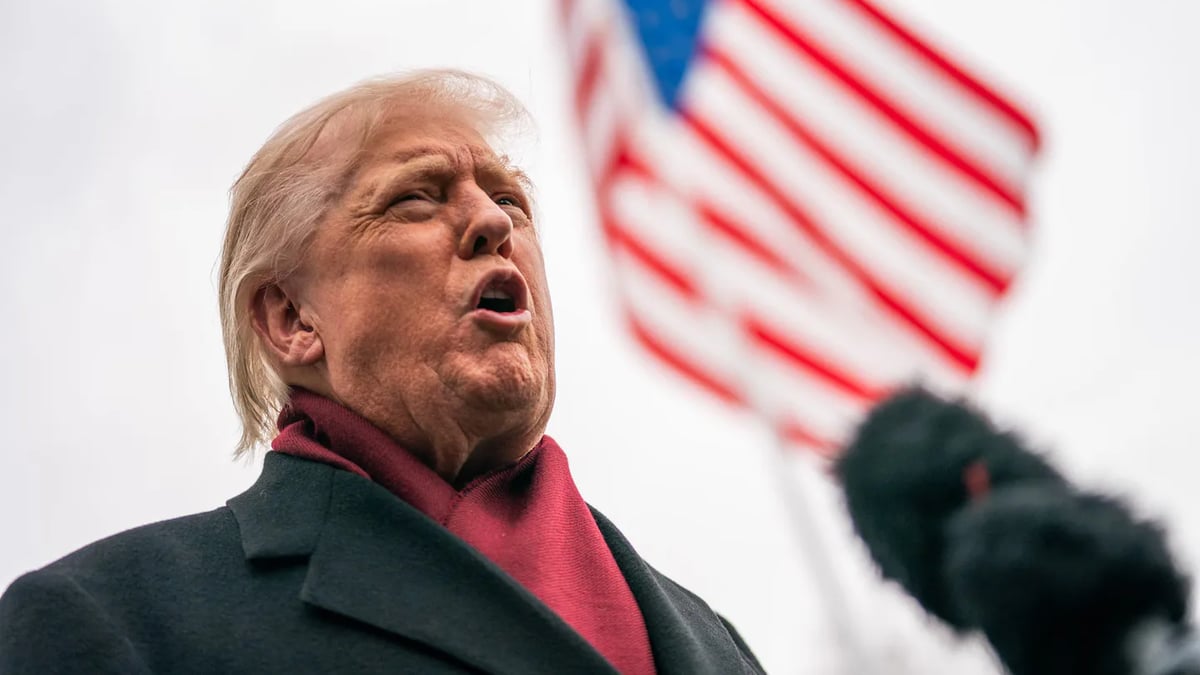
Canada observed the opening of a bridge linking Windsor, Ontario, to Detroit, Michigan in a subdued ceremony absent US officials, following a disagreement over toll-sharing and fresh tariff threats of 50 percent from President Donald Trump that worsened already strained ties.
A planned cross-border ribbon-cutting for the Gordie Howe International Bridge was canceled by Canada, and Friday's milestone opening was celebrated solely by Canadians before the bridge becomes operational on Monday.
Recommended Stories
list of 4 items
- list 1 of 4As oil soars, experts watch Red Sea tankers for clarity on Houthi blockade
- list 2 of 4Is the US-Saudi nuclear deal on, or in limbo?
- list 3 of 4What to know about the White House Correspondents’ Dinner, take two
- list 4 of 4ICC prosecutor Khan removed over ‘politicised’ sex abuse claims: Sources
end of list
With tables of fruit cups, pastries, and children playing hockey—a nod to the legendary Canadian Detroit Red Wings player the bridge is named after—Canadian officials and invited guests, including members of Howe's family, attended the opening. Guests were urged to wear red and white, Canada's national colors, 'to show Canadian pride' and were not allowed to cross to the US side.
Ontario Premier Doug Ford said Canada’s relationship with the US had been made more challenging by Trump’s tariffs, but the bridge was “an example of what we can achieve when our two great countries work together”. Wearing a red Team Canada hockey jersey with Howe’s number 9, Ford said Ontario would not back down from the US.
“Canadians and Americans are better off when we work together instead of standing apart,” Ford said.
What normally would have been a celebratory moment between two long-time allies has been overshadowed by fraught trade negotiations and Trump’s threat on Monday to impose more tariffs on Canada, which sends some 70 percent of its exports to the US, including for smoke from Canadian wildfires that had spread to parts of the US
Competing bridges
The $4.7bn bridge was paid for by Canada and had been scheduled to open in June after construction began in 2018. It is meant to be a faster alternative to the existing Ambassador Bridge across the Detroit River.
Trump threatened to block the project in February, blaming Canadian provinces’ refusal to sell US alcohol, Canadian tariffs on American dairy products and the country’s trade talks with China.
Weeks before, in January, Matthew Moroun, a Detroit-based trucking magnate whose family has operated the Ambassador Bridge for decades, made a $1m donation to a Trump-aligned political action committee (PAC), according to The New York Times, which cited campaign finance records. Moroun has long opposed the new bridge as it would cut into traffic, and revenue, on the Ambassador Bridge.
The White House and the PAC have previously denied any connection between the donation and Trump’s threats to block the new bridge.
There still appear to be disagreements between the two countries over how the bridge revenues will be split and when. The Canadian government said 274 million Canadian dollars ($194m) in trade per day moves between Windsor and Detroit.
Trump said it was “fine” that Canada “disinvited” the US to the bridge’s opening.
“The original Deal on the Bridge, which was terribly negotiated by a previous Administration, no longer stands,” Trump said in a post on Truth Social on Friday. “We changed the terms of the Deal so that the United States of America now gets 50% of the Profit.”
Canadian Prime Minister Mark Carney said his country would only share toll revenues after being paid back, but according to a draft agreement released on Wednesday, Canada will split net bridge and crossing-related revenues with the US for the first 15 years, with no explicit provision that it be compensated first.
Carney addressed the discrepancy at a media briefing on Thursday, saying a previous deal between Canada and Michigan remains in place and “there’s no splitting of tolls under that agreement until all of the debt is repaid”.
Neither country has publicly estimated what the revenues will be.
The new proposed deal appeared to contradict the agreement signed by Canada and the US in 2012, which was referenced by Carney, said Nicolas Lamp, an associate professor and lawyer at Queen’s University’s Institute on Trade Policy.
“The US can point to the new agreement that says they will get half of the net revenue, while Canada can say that contradicts the original agreement,” Lamp said. “It’s vague enough that each side can save face and claim they won.”
Don Abelson, a political science chair in Canada-US relations at McMaster University, said the biggest win was simply to open the bridge while placating Trump.
“Being reimbursed for the billions of dollars spent on the bridge is critically important, but there’s nothing more important than the trade relationship between Canada and the US,” he said.
The dispute over toll-sharing and tariffs highlights ongoing tensions in US-Canada trade relations. The bridge's opening without US participation marks a rare diplomatic snub between the two allies. Meanwhile, the Moroun family, which operates the Ambassador Bridge, has long opposed the new bridge and contributed to a Trump-aligned PAC. The Gordie Howe bridge is expected to divert traffic and revenue from the Ambassador Bridge once fully operational. The situation underscores how trade conflicts can affect cross-border infrastructure projects.
Original source: Al Jazeera



Comments (0)
Be the first to comment.