Dbeibeh accuses electricity company of 'failure' after widespread blackout in Libya
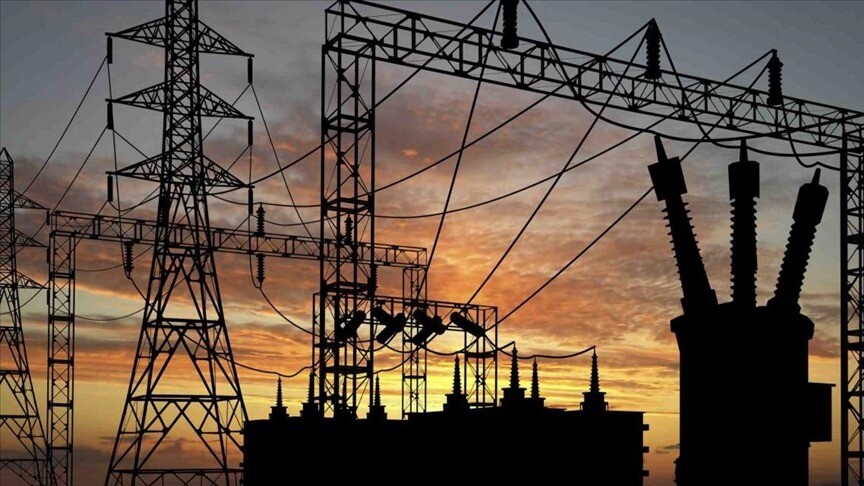
A day after a widespread blackout that hit most parts of Libya due to a loss of about 1,350 megawatts, according to a statement by the Ministry of Electricity of the Libyan government appointed by parliament
Tripoli / Muhammad Artima / Anadolu
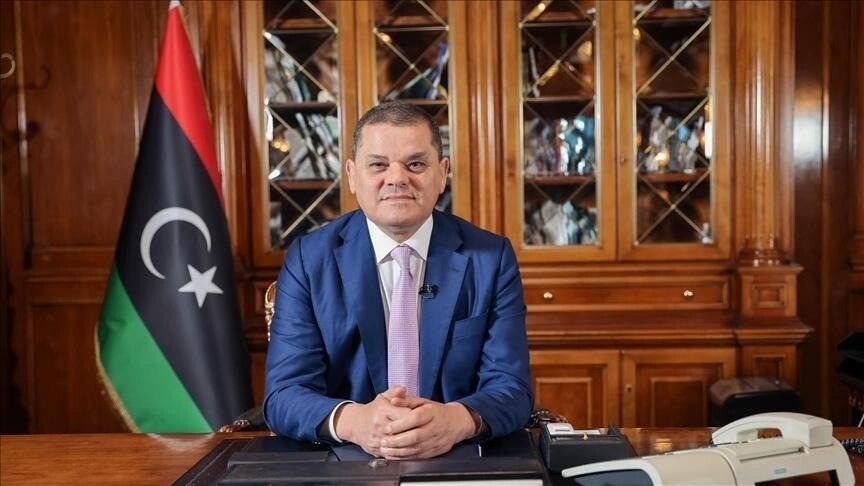
Head of the Libyan Government of National Unity, Abdul Hamid Dbeibeh, on Saturday accused the presidency of the board of directors of the General Electricity Company of 'failure and corruption' due to the ongoing repeated power outages in the country.
This came during a cabinet meeting in the city of Zliten (west), a day after a widespread blackout that hit most parts of Libya due to a loss of about 1,350 megawatts, according to a statement by the Ministry of Electricity of the Libyan government appointed by parliament (east).
The ministry said that 'a sudden loss of more than 1,350 megawatts caused a collapse in the network frequency and a widespread blackout in the country as a result of the sudden shutdown of a number of main generation stations, including the Gulf station (in the city of Sirte / central) and Misrata (west).'
The General Electricity Company, which is affiliated with Dbeibeh's government, did not clarify the reasons and details of the blackout that affected most parts of Libya from Friday evening until Saturday dawn.
But Dbeibeh said, 'The management of the electricity company is a failure and fallen, and must be accused of serious charges (...) What brought us to consecutive blackouts after we were producing about 10,000 megawatts?'
He added: 'A calamity has befallen us in electricity, and we will take real measures, and we will not bear a greater burden (...) We cannot accept a corrupt person (without naming him) to bring us back to square one.'
Dbeibeh continued: 'We will not hand it over to a management that refuses to be monitored and held accountable, after we spent enormous sums to maintain the stability of the network, we find ourselves back to square one.'
He added: 'They must all be prosecuted, and they must be investigated.'
Since the beginning of July, western and eastern Libya have been experiencing daily power outages of about 4 hours per day.
Since 2021, the Government of National Unity headed by Dbeibeh has worked to address the electricity crisis, witnessing a noticeable improvement from 2023 to 2025.
Two governments are vying for power in Libya; the first is the Government of National Unity, internationally recognized, headed by Dbeibeh, based in the capital Tripoli, and administers the west of the country.
The second was appointed by the House of Representatives in early 2022, currently headed by Osama Hammad, based in the city of Benghazi, and administers the east and most of the southern regions.
For years, the United Nations Support Mission in Libya has been leading efforts to reach a political settlement leading to elections that end the conflict in the country.
Original source: Anadolu Agency
Comments (0)
Be the first to comment.