European Union Adopts 21st Package of Economic Sanctions Against Russia
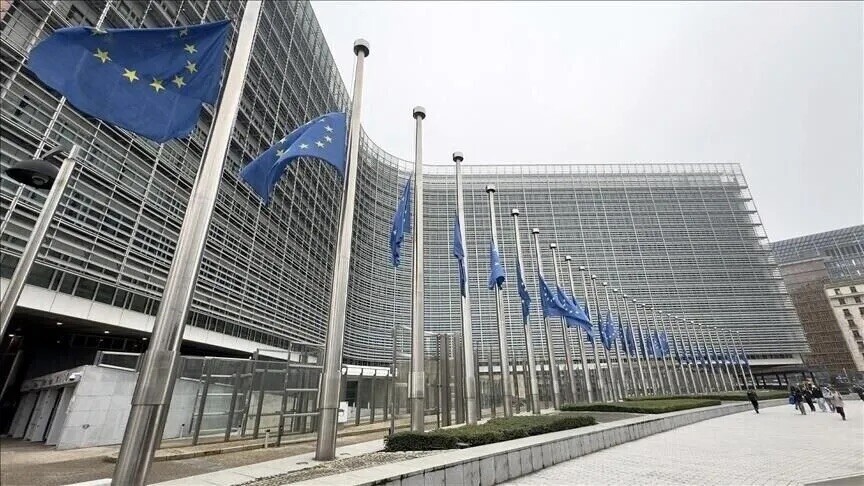
The European Union adopted the 21st package of sanctions targeting energy, finance, and crypto assets to increase economic pressure on Moscow.
International
European Union Approves 21st Package of Sanctions Against Russia
Targeting energy, finance, and cryptocurrencies..
Şerife Çetin, Ahmet Kartal
23 July 2026•Update: 23 July 2026
BRÜKSEL
Brussels / Anadolu
The members of the European Union approved the 21st package of sanctions against Russia, targeting energy, finance, crypto assets, and trade, as part of continuing economic pressure on Moscow.
In a post on the US platform X on Thursday, Irish Minister for Foreign Affairs and Trade and Defence Helen McEntee said: "I am pleased that we reached an agreement on the 21st package of sanctions during the first weeks of our rotating presidency."
McEntee, whose country holds the rotating presidency of the European Union, explained that the new package targets Russia's income sources more broadly, reduces the activity of the ghost fleet, and disrupts its related supply chains.
For her part, European Commission President Ursula von der Leyen welcomed the approval of the package, stressing that the sanctions continue to target the economic foundations of Russia's war effort at a time when Ukraine is making military progress on the field.
She pointed out in a post on X that 32 additional Russian banks were included in the transaction ban list, along with restrictions on cryptocurrency companies and oil trading platforms.
She added that the European Union decided to freeze the adjustment of the oil price cap for one year, to prevent the "Russian war machine" from benefiting from market fluctuations.
She also noted that the package targets for the first time ships supporting the Russian ghost fleet, announcing an important step towards imposing a formal ban on the entry of Russian fighters into European Union countries.
For his part, European Council President António Costa said the Union has taken a new decisive step to increase pressure on Russia, noting that the sanctions target the most influential sectors such as energy, financial services, cryptocurrencies, and trade.
- Differences within the European Union delayed the approval of sanctions
The European Commission had proposed the 21st package of sanctions last June, but negotiations between member states took longer due to disagreements, leading to the softening of some proposed measures.
One of the main points of disagreement was regulating the transfer of Russian liquefied natural gas to countries outside the European Union.
Greece opposed a proposal preventing European Union companies from transporting Russian gas to third countries, considering that the measure goes beyond the framework previously agreed upon by EU leaders.
Athens also warned that the implementation of the ban could push ships to re-register outside the European Union and continue their activity, which could reduce the expected impact of the measure.
Since February 24, 2022, Russia has been waging a military attack on its neighbor Ukraine, and to end it, it demands that Kyiv abandon joining Western military entities, which Kyiv considers "interference" in its affairs.
Original source: Anadolu Agency



Comments (0)
Be the first to comment.