Fedorov rejects alternative positions, demands return to Ukrainian Defense Ministry portfolio
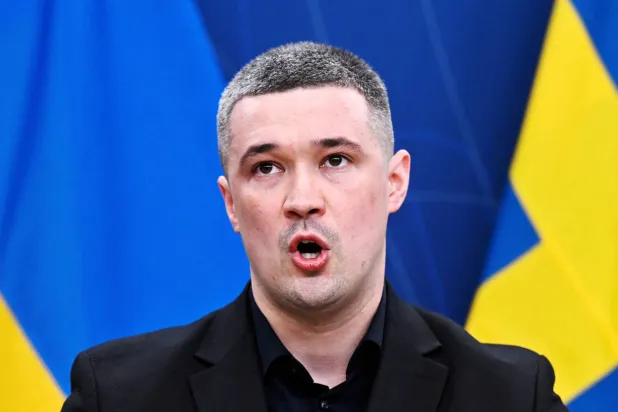
Dismissed Ukrainian Defense Minister Mykhailo Fedorov has rejected presidential offers for alternative positions, insisting exclusively on returning to his former post amid a broad political and military crisis.
Dismissed Ukrainian Defense Minister Mykhailo Fedorov revealed on Thursday his rejection of proposals made by President Volodymyr Zelensky to take on new tasks, insisting on not accepting any position except the Defense Ministry portfolio.
These developments come amid severe structural challenges facing the Ukrainian military institution against the backdrop of the ongoing conflict.
Fedorov, whose dismissal sparked a wave of widespread protests and later led to the ousting of the Ukrainian army commander, said: 'I will not accept any position other than Minister of Defense.' He added, 'No other position holds the necessary powers to combat corruption in military procurement, complete the army’s reform, plan and execute unconventional operations against the enemy, and eliminate the culture of lying and impunity within the system.'
Protest organizers demanded new protest events to pressure for Fedorov's reinstatement, following Zelensky's sudden decision to dismiss him just six months after he assumed the post.
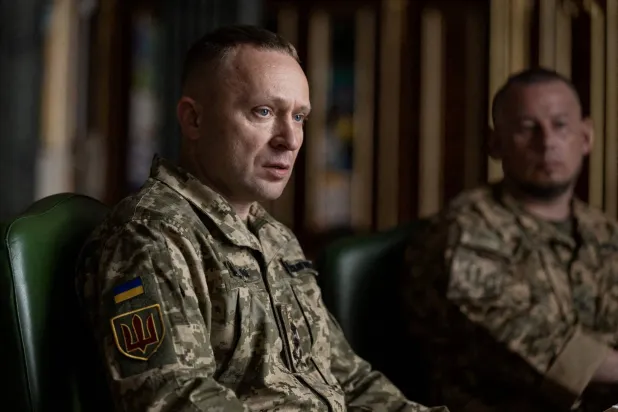
Fedorov (35) was appointed Minister of Defense in January, tasked with modernizing and digitizing the army, but he entered into disputes with military leaders whom he said opposed his reform plans. Days after the protests, Zelensky this week dismissed the army's commander-in-chief Oleksandr Syrskyi and appointed Mykhailo Drapatyi in his place, a close ally of Fedorov and a supporter of reforms.
Despite that, the Ukrainian president chose to appoint an acting defense minister opposed to Fedorov's return to the ministry, even though Fedorov is considered one of his closest allies since taking office in 2019, having gained widespread appreciation for his early support of effective drone technologies in the war.
He also repeatedly criticized what he described as the Soviet mentality within the army and sought to reform the military institution, which faced criticism over corruption, equipment shortages, absenteeism, mistreatment of conscripts, and mobilization campaigns.
These political developments take on critical dimensions given their direct impact on the course of military operations, institutional reform efforts, and anti-corruption measures in the military procurement sector. Observers remain watchful of the outcomes of this crisis amid ongoing protests and their implications for the cohesion of Ukrainian leadership. It also highlights the struggle of wills between the presidency and young reformist figures within the security system. The stance of the public and organizations supporting Fedorov will play a prominent role in shaping future settlements for defense leadership.
Original source: Asharq Al-Awsat



Comments (0)
Be the first to comment.