Rapid Developments in US-Iran Escalation and Continued Regional Crises

On July 25, 2026, military and diplomatic escalation between Washington and Tehran coincided with worsening humanitarian crises in Gaza and Ukraine, and UN calls to evacuate stranded sailors in the Strait of Hormuz.
Friday, July 25, 2026 saw rapid developments on several fronts, most notably the escalation between the United States and Iran following conflicting reports about a ceasefire proposal and successive strikes on Ahvaz. In a related context, humanitarian crises in Gaza and Ukraine worsened, while the political arenas of Yemen and Israel witnessed notable changes.
This article reviews the key events that shaped today's scene, linking them within a complex regional and international context.
Washington and Tehran: Diplomatic Rejection and Mutual Bombing
Media reports revealed Iran's rejection of a US ceasefire proposal carried by Iraqi Prime Minister Ali al-Zaidi during his recent visit to Tehran, amid US threats of military escalation. However, a US official denied the accuracy of these reports to CNN, describing them as "inaccurate", highlighting a state of diplomatic uncertainty.
On the ground, US strikes on the Ahvaz region in southwestern Iran continued for the thirteenth consecutive day, targeting what is described as "Iran's oil heart", in a step aimed at weakening Iran's economic capabilities.
In the Strait of Hormuz, the United Nations called on concerned states to expedite the evacuation of about 6,000 stranded sailors, as US President Donald Trump threatened to compensate for damage to ships from frozen Iranian assets, further complicating the humanitarian and economic crisis.
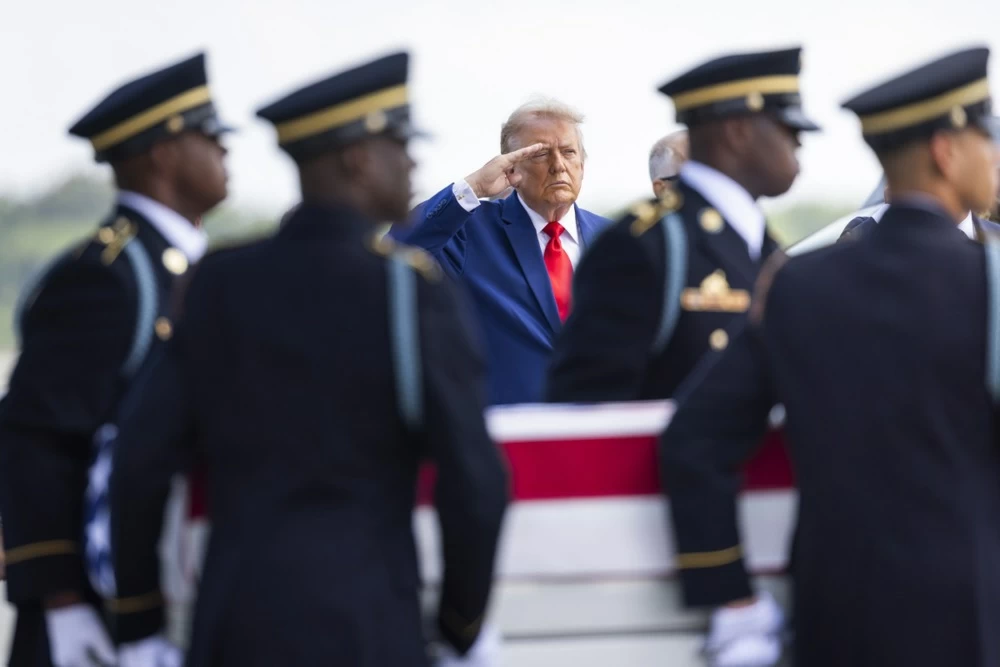
US official to CNN: Reports of Iran rejecting Trump's ceasefire proposal are 'inaccurate'
Reports: Tehran rejects US initiative for de-escalation conveyed by Iraqi Prime Minister
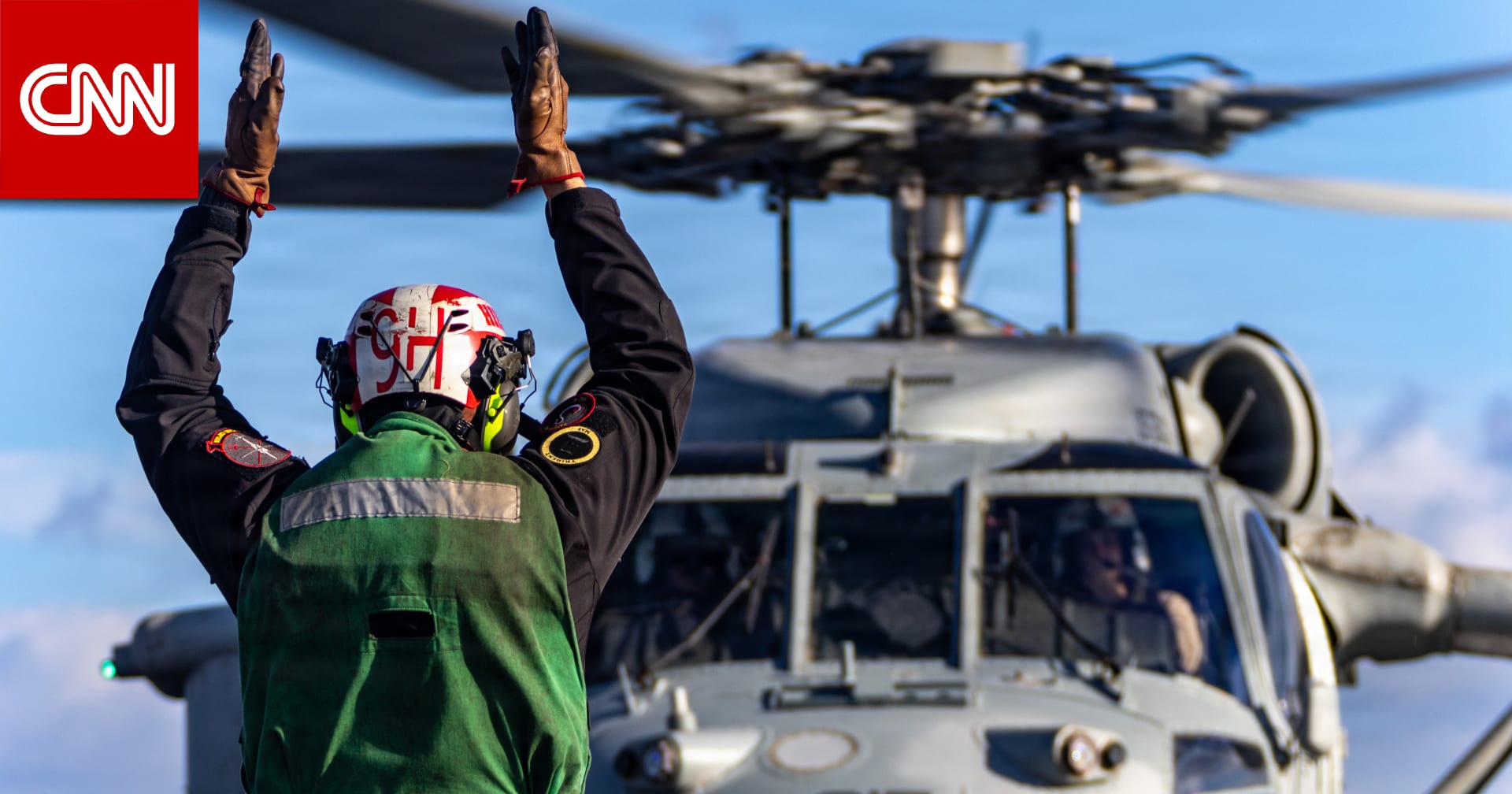
UN calls for evacuation of 6,000 stranded sailors in 'Hormuz'
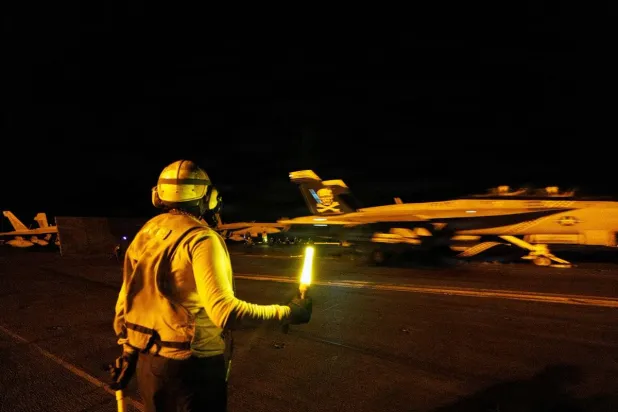
Ahvaz.. Iran's oil heart
Wars and Aid: Gaza and Ukraine Under Pressure
The UN World Food Programme warned of an imminent reduction in humanitarian aid to the Gaza Strip unless it receives urgent additional funding. 70% of the enclave's population depends on this aid, and estimates indicate that more than two-thirds of Gazans could face severe hunger by the end of the year.
In Ukraine, authorities announced the deaths of 5 people and injuries to 9 others from two Russian strikes on the city of Sloviansk in the Donetsk region. Explosions also sounded in Kyiv after a ballistic missile attack warning, as the war enters its third year.
On another front, British court investigations revealed that the death of a Saudi prince in London last year was due to consuming large amounts of alcohol and using drugs, after undergoing addiction treatment.
World Food Programme warns of reduction in Gaza aid
Ukraine announces 5 killed, 9 injured in two Russian strikes on Sloviansk city
Alcohol and drugs behind death of Saudi prince in London last year
Political Shifts: Yemen, Israel, and Iraq
In Yemen, a limited cabinet reshuffle brought the first woman to the Ministry of Foreign Affairs, appointing Dr. Afrah al-Zouba, in a step aimed at enhancing diplomacy and empowering women. The reshuffle also included appointing two new ministers for planning, as part of efforts to improve service and economic performance.
In Israel, a video of the attacker released by Prime Minister Benjamin Netanyahu's campaign against his rival Gadi Eisenkot cost the Likud party two seats in a new opinion poll, amid widespread criticism for using Eisenkot's killed son in the campaign.
In Iraq, a journalistic investigation revealed the algorithm of the financial entities of parties and militias, showcasing the story of a financial auditor uncovering extensive corruption networks, reflecting ongoing challenges in fighting corruption.
Yemen boosts diplomatic presence with appointment of al-Zouba as Foreign Minister
'Video against Eisenkot' costs Netanyahu two Knesset seats
'Iraq's Black Book'... Algorithm of party economies
Trade Tensions: China and Europe
In the context of escalating trade war, China banned the export of dual-use materials to 14 European entities, in response to the European Union's new sanctions against Russia. The list includes German and Polish companies, in an escalatory step that could affect global supply chains.
China adds 14 European entities to export control list
In one day, the complexities of the global scene manifested: military and diplomatic escalation between Washington and Tehran, ongoing wars in Gaza and Ukraine, political shifts in Yemen and Israel, and corruption in Iraq. These events remain interconnected with their regional and international repercussions, amid an absence of immediate solutions on the horizon.


Comments (0)
Be the first to comment.