Guyana recovers 27 bodies after ferry disaster as crew comes under scrutiny

Authorities detain ferry crew members after drug tests reveal violations in Guyana's worst marine disaster in decades.

Based on reporting by Al Jazeera, Associated Press and Reuters staff.
The incident has cast a spotlight on safety lapses and corruption allegations in Guyana's ferry service.
Published On 21 Jul 202621 Jul 2026
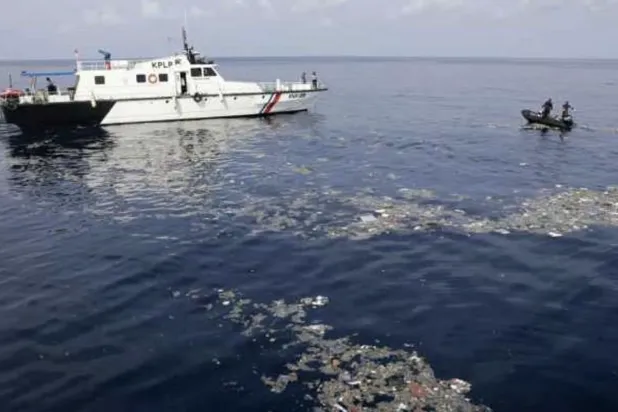
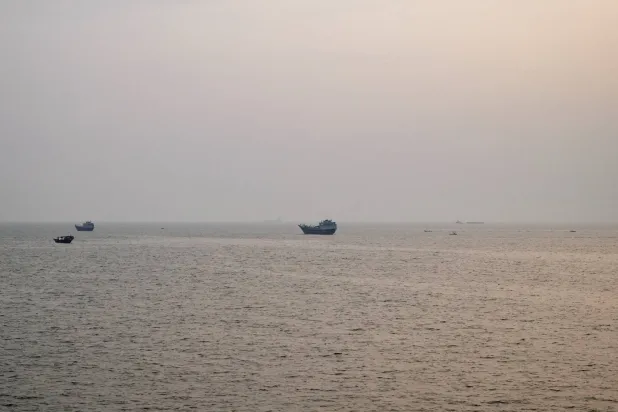
Guyanese authorities have recovered 27 bodies from a capsized ferry that was carrying 179 people off the coast.
The MV Barima issued a distress call on Saturday night, having overturned while ferrying passengers from the capital, Georgetown, to Port Kaituma in Guyana’s northwest.
Recommended Stories
list of 3 items
- list 1 of 3Dozens feared dead in Guyana after ferry carrying 133 people capsizes
- list 2 of 3China, immigration, drugs: Behind US policy in Latin America
- list 3 of 3Brazilian football legend Pele’s World Cup shirt sells for $4.9m
end of list
Officials said on Monday that 69 people had been rescued, while 83 remained missing. Minister of Public Works Juan Edghill described the sinking as the country’s worst marine disaster in decades.
Prime Minister Mark Phillips has launched an investigation into possible negligence by the ferry crew before the accident.
Officials say that while the MV Barima was initially thought to have been carrying 116 passengers and 17 crew members, 32 people rescued from the disaster were not recorded in the ferry’s manifest, putting the number of potential victims much higher.
Police have also announced that the ferry’s captain and at least one other crew member were taken into custody after testing positive for marijuana.
“We have a zero tolerance for members of the crew drinking or smoking while at work. And for us to have positive tests from the captain, this is serious,” Edghill said.
Passengers had complained for years that officials at state-run ferry terminals were selling seats for cash without recording the true number of passengers in their manifest, which Edghill called “a criminal action”.
President Irfaan Ali visited survivors and their families in hospital.
“It was a deeply emotional experience. I listened to their stories, shared in their pain and anxiety, and assured them that every practical measure would be taken to provide the support and assistance they need,” he said.
Officials have confirmed that the captain and a crew member tested positive for marijuana, raising serious concerns about crew conduct. Edghill called the practice of selling seats for cash without recording names "a criminal action." Such long-standing complaints indicate systemic corruption that the investigation must address.
Original source: Al Jazeera

Comments (0)
Be the first to comment.