Heavy rains cause humanitarian disaster in Afghanistan, destroy entire city
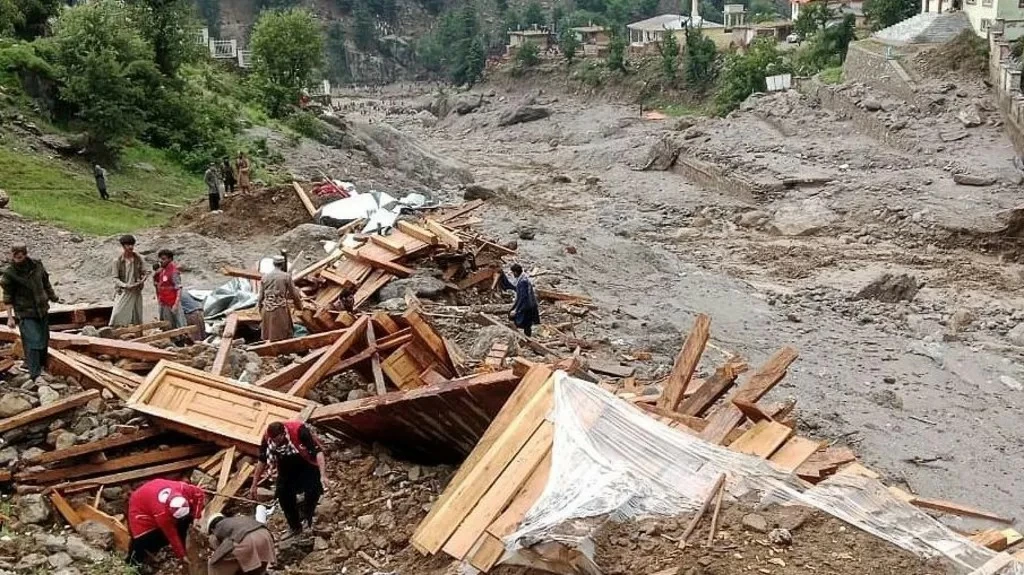
At least 20 people have died, while more than 100 others are missing, due to flash floods caused by heavy rains that swept through the Nuristan province in eastern Afghanistan on (Monday), according to the Taliban government, amid warnings of continued bad weather in the coming days.
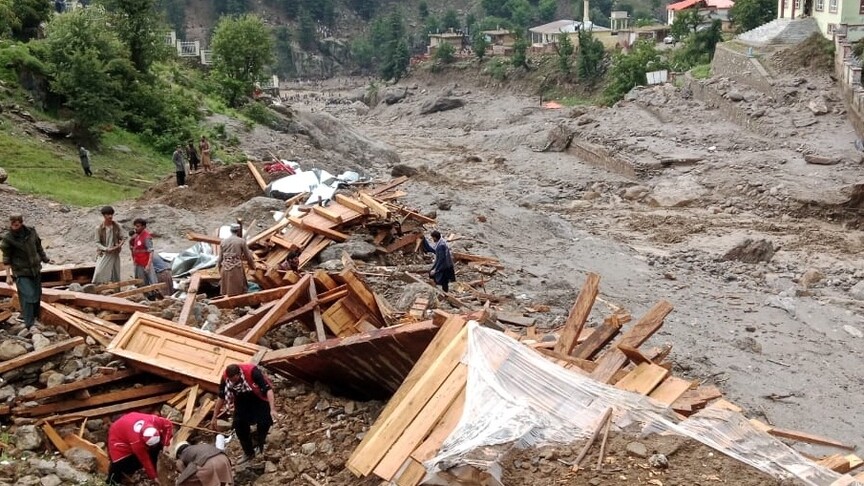
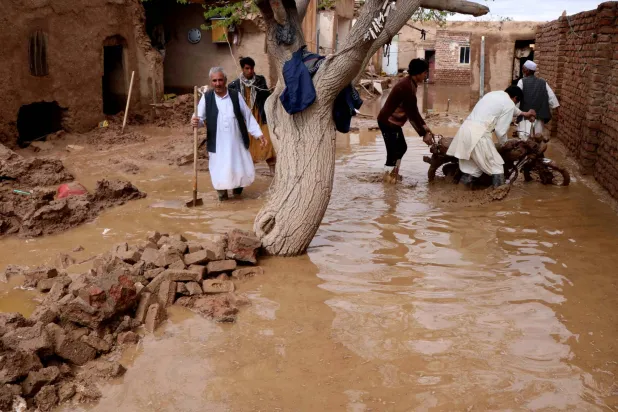
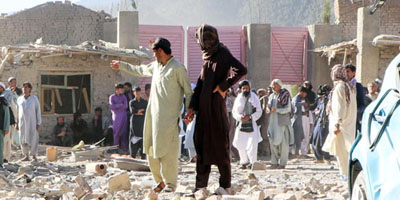
The city of Barun, the capital of Nuristan province, witnessed the greatest destruction, with the mayor missing along with several residents, while more than 80 people sustained varying degrees of injuries. Taliban authorities stated that they expect 'significant human and material losses,' as videos circulating on social media showed widespread destruction affecting homes, shops, and government buildings after the floods swept through the city.
Ashiqullah Safi, the head of the local NGO 'Shabul,' explained that the floods 'completely destroyed the municipality of Barun,' noting that residents had to search for the missing among the rubble with limited resources, amid the presence of large rocks and debris left by the floods throughout the city.
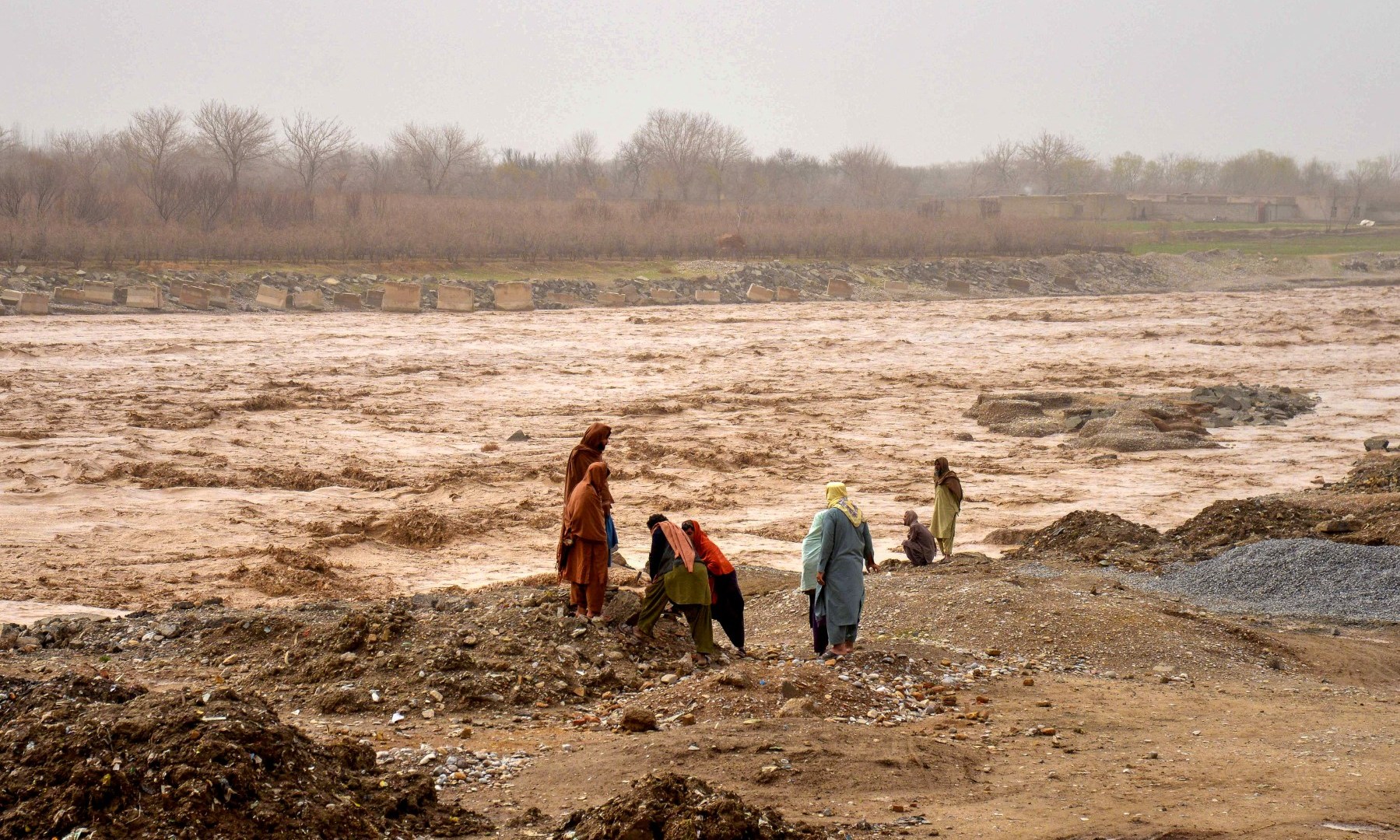
The Taliban government's meteorological agency issued warnings of continued heavy rainfall and the possibility of flooding in 10 out of 34 Afghan provinces until (Wednesday), urging residents to stay away from riverbanks and flood-prone areas.
Nuristan province is known for its green mountainous nature, dense forests, and clear rivers, and it was declared a national park in 2020. However, media reports indicated that deforestation and illegal logging in Nuristan and other areas have contributed to the exacerbation of flood risks, as they have reduced the soil's ability to absorb large amounts of rainfall.
Afghanistan is one of the most vulnerable countries in the world to the impacts of climate change and natural disasters, including floods, storms, and droughts, at a time when the country is facing difficult economic and humanitarian conditions due to decades of conflict, which ended with the withdrawal of foreign troops and the return of the Taliban to power in 2021.
The country also experienced similar floods in April in northern Afghanistan that claimed the lives of at least 150 people, while the World Food Programme estimated the number of victims at over 300 dead at that time, in one of the deadliest natural disasters the country has seen in recent years.
At least 20 people have died, while more than 100 others are missing, due to flash floods caused by heavy rains that swept through the Nuristan province in eastern Afghanistan on (Monday), according to the Taliban government, amid warnings of continued bad weather in the coming days.
The city of Barun, the capital of Nuristan province, witnessed the greatest amount of destruction, with the mayor reported missing along with several residents, while more than 80 people sustained varying degrees of injuries. Taliban authorities stated that they expect "significant human and material losses," as videos circulating on social media showed widespread destruction affecting homes, shops, and government buildings after the floods swept through the city.
Ashiqullah Safi, the head of the local NGO "Shabul," explained that the floods "completely destroyed the municipality of Barun," noting that residents had to search for the missing among the rubble with limited resources, amid the presence of large rocks and debris left by the floods throughout the city.
The Taliban government's meteorological agency issued warnings of continued heavy rainfall and the possibility of flooding in 10 out of 34 Afghan provinces until (Wednesday), urging residents to stay away from riverbanks and flood-prone areas.
Nuristan province is known for its green mountainous nature, dense forests, and clear rivers, and it was declared a national park in 2020. However, media reports indicated that deforestation and illegal logging in Nuristan and other areas have contributed to the exacerbation of flood risks, as they reduced the soil's ability to absorb large amounts of rainfall.
Afghanistan is one of the most vulnerable countries in the world to the impacts of climate change and natural disasters, including floods, storms, and droughts, at a time when the country is facing difficult economic and humanitarian conditions due to decades of conflict, which ended with the withdrawal of foreign troops and the return of the Taliban to power in 2021.
The country had also experienced similar floods in April in northern Afghanistan that claimed the lives of at least 150 people, while the World Food Programme estimated the number of victims at over 300 dead at that time, in one of the deadliest natural disasters the country has seen in recent years.
Original source: Okaz


Comments (0)
Be the first to comment.