Iconic Landmark in London: Why Do British Royal Family Members Not Want to Live in Buckingham Palace?
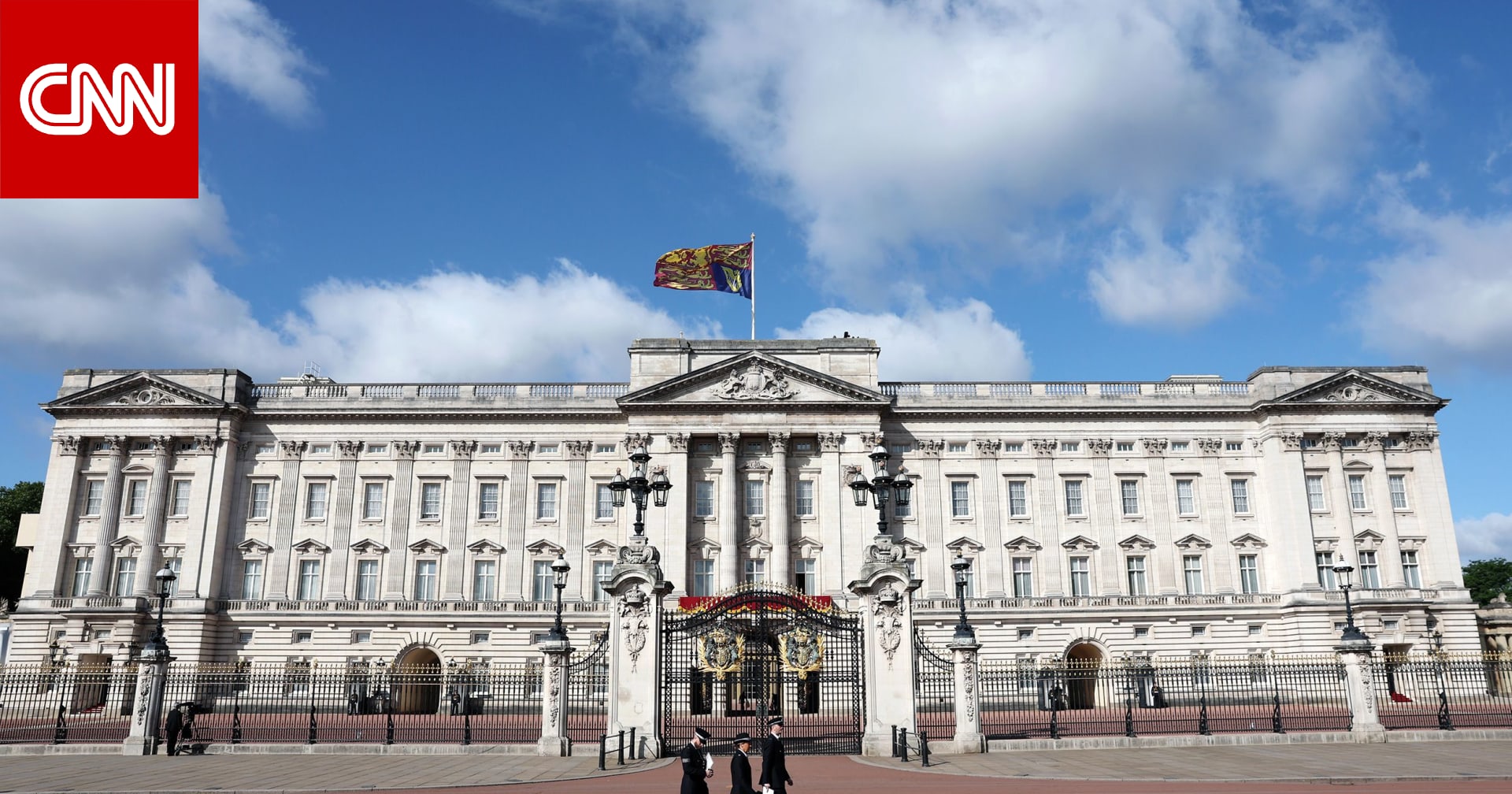
Buckingham Palace provides a perfect backdrop for luxury and celebrations. So why do members of the royal family not want to live there?
(CNN) -- When the British royal family ensures to celebrate major national occasions with all the pomp and official ceremonies, Buckingham Palace often forms the perfect backdrop for these events.
Since 1837, the palace has been the official London residence of British monarchs, and Queen Victoria was the first to live there after ascending the throne nearly two centuries ago.
Since then, despite kings and queens owning many country residences such as Windsor Castle and Balmoral Castle in Scotland, Buckingham Palace remained their main residence. However, King Charles III decided to break this historical tradition.
The palace features an open ballroom for banquets, receptions, garden parties, and private meetings. Credit: Peter Macdiarmid/Getty Images
It was recently announced that King Charles and his wife Queen Camilla will not move into the palace after the completion of its massive renovation project, which lasted 10 years and cost around £369 million, and is scheduled to be finished next year.
Instead, the couple will continue to reside at Clarence House, where the king has lived since 2003, while Buckingham Palace will remain the administrative and official residence of the British monarchy.
A palace spokesperson confirmed to CNN that the building 'will remain a vibrant hub of royal activity', saying: 'His Majesty still holds great affection for Buckingham Palace and deep respect for its role in royal and public life'.
King Charles III and Queen Camilla will continue to live at Clarence House, even after the renovation work at Buckingham Palace is completed. Credit: Henry Nicholls/AFP/Getty Images
It is not yet clear whether Charles's decision to remain at Clarence House will reduce the interest of visitors who flock daily outside the palace's gilded gates, hoping for a glimpse of royal life.
Visitors' opinions on this decision varied; while some saw the palace's value in its history and architecture regardless of the king's residence, others considered that the absence of the royal family from the palace deprives it of some of its charm and symbolism.
For his part, James Chalmers, the king's treasurer and keeper of the royal treasury, told British media that the palace will remain the main venue for hosting ceremonial and official events, including public figures and distinguished guests.
The king will also retain private rooms within the palace that he can use when needed while in London.
The palace's roots date back to 1761 when King George III bought the building as a residence for his wife Queen Charlotte and their children. Then King George IV commissioned architect John Nash to transform it into a royal palace, but he died before the project was completed.
Tourists gather around the gates of Buckingham Palace in London. This view shows the public East Front as it appeared after Edward Blore closed the courtyard with a new wing in 1847, but before Aston Webb's more famous redesign in 1913. Credit: English Heritage/Getty Images
When William IV ascended the throne, he preferred to stay at Clarence House, and offered Buckingham Palace as an alternative seat for Parliament after its building burned down in 1834, but Parliament declined the offer.
During Queen Victoria's reign, the palace saw its last major expansion with the addition of the East Wing overlooking The Mall, bringing its current number of rooms to 775, including 78 bathrooms.
As for the current renovation work, which began in 2017, it is not limited to improving the exterior appearance but includes a complete replacement of electrical, plumbing, and heating systems, enhancing fire safety measures, and removing dangerous asbestos discovered in the basement—a process costing more than £10 million ($13.4 million). The need for these works was urgent after the palace experienced numerous problems in recent years such as water leaks and parts of the building falling.
Breaking Traditions
Although Charles's decision is the first of its kind in 189 years, history has seen monarchs who did not permanently reside in the palace. Queen Victoria herself withdrew from public life after the death of her husband Prince Albert in 1861, and spent most of her time at Windsor Castle, to the extent that wags put up a sign on the palace gate in 1864 reading: 'To let or sell due to the declining activity of the previous occupant'
Queen Elizabeth II also left the palace during the coronavirus pandemic for Windsor Castle, and it was known that she did not prefer living in Buckingham Palace, as her move there was associated with sad memories following the death of her father King George VI, according to royal expert Robert Hardman, who wrote biographies of King Charles and Queen Elizabeth, in an interview with CNN.
Hardman points out that she had wished to stay at Clarence House, but then-Prime Minister Winston Churchill insisted on her moving to the official royal residence.
Hardman explains that the reason lies in the nature of Buckingham Palace itself, designed to be an official residence for the head of state rather than a family home. While Clarence House offers a sense of warmth and privacy, Buckingham Palace resembles a grand government institution dedicated to official ceremonies.
The palace has undergone numerous architectural modifications over the years, most notably the redesign of its east front in 1913 and the creation of the Queen Victoria Memorial in front of it, the form known to the world today.
The renovation was financed through a temporary increase in the Sovereign Grant, the annual government allocation to fund the official activities of the royal family, derived from the revenues of the British Crown Estate. The grant is expected to decrease after the project's completion, but it will remain significantly higher than it was a decade ago.
The decision drew criticism from some anti-monarchists, who argued that taxpayers bore a huge cost for renovating the palace while the king chose not to live in it. They believe that turning the palace into a world-class museum or art gallery would be more beneficial to the public, while the royal family insists that the palace will remain the administrative and symbolic heart of the royal institution, even if it is no longer the king's permanent residence.
Original source: CNN Arabic



Comments (0)
Be the first to comment.