"Independent Arabia" in the Markets of Nabatieh... A City Shakes Off the Rubble and Waits for Life
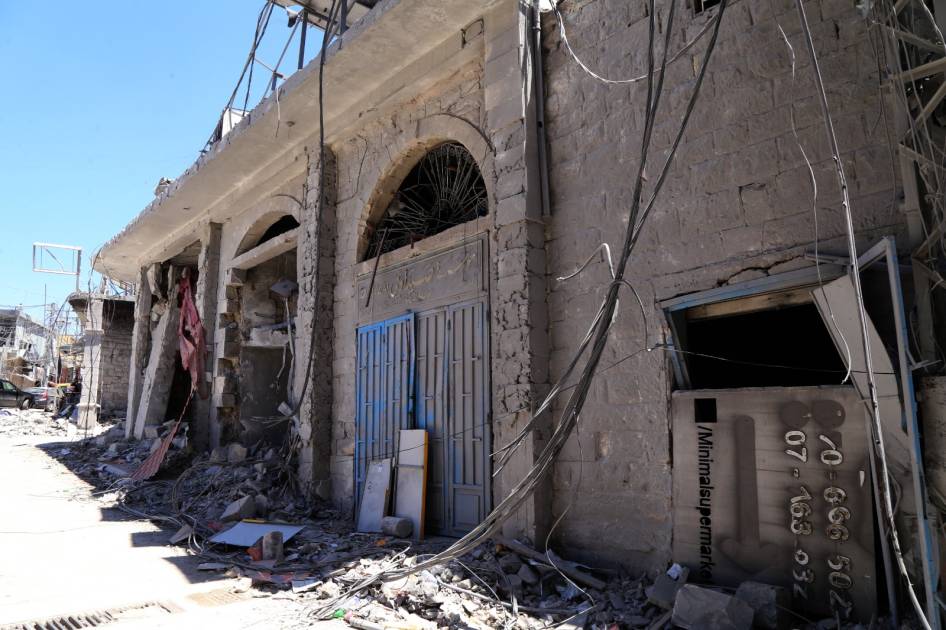
Summary: A short tour in the markets of Nabatieh is enough to understand the scale of the disaster left by the war.
In a field trip by "Independent Arabia," we headed to the commercial markets, where we observed a city whose details are still dominated by the effects of war.
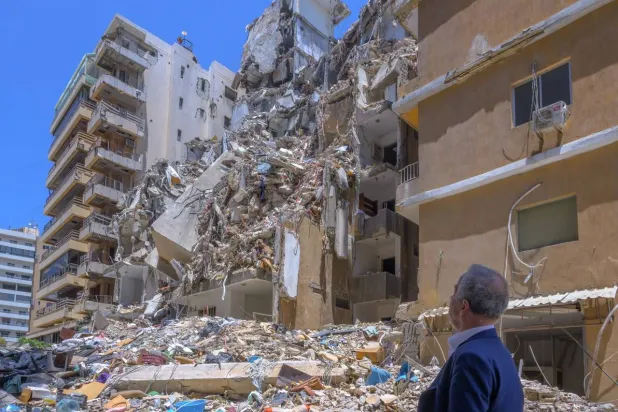
Despite the silence of the cannons, life has not returned to normal in Nabatieh, the capital of the southern governorate in Lebanon. The city, once the commercial and administrative heart of the south, still lives to the rhythm of war, after the confrontations left streets destroyed, markets nearly empty, and heritage and residential buildings turned into rubble.
Especially since 72 hours before the ceasefire decision came into effect, on June 20 last, the Israeli army intensified its targeting of a large number of its neighborhoods, roads, and buildings with long-range heavy artillery and raids by warplanes and drones, causing more deaths and injuries among civilians.
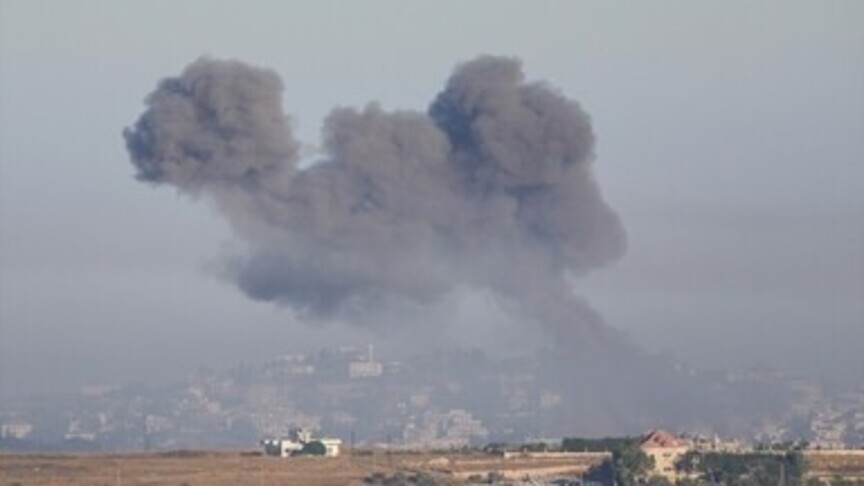
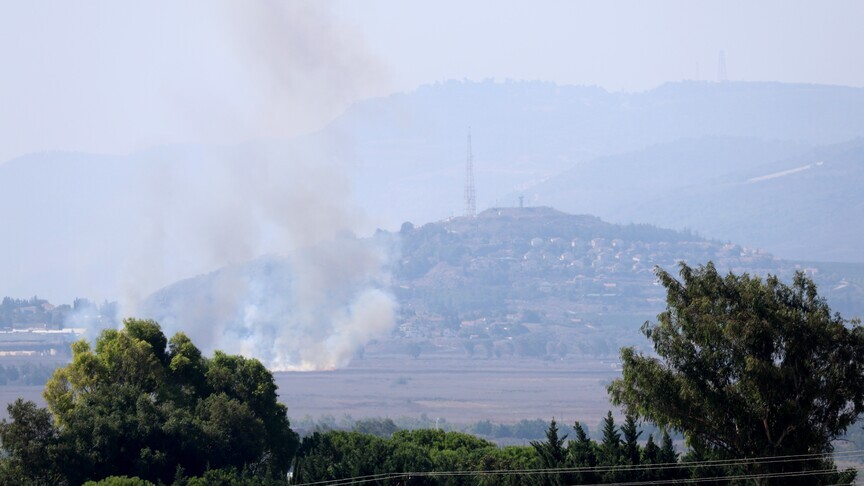
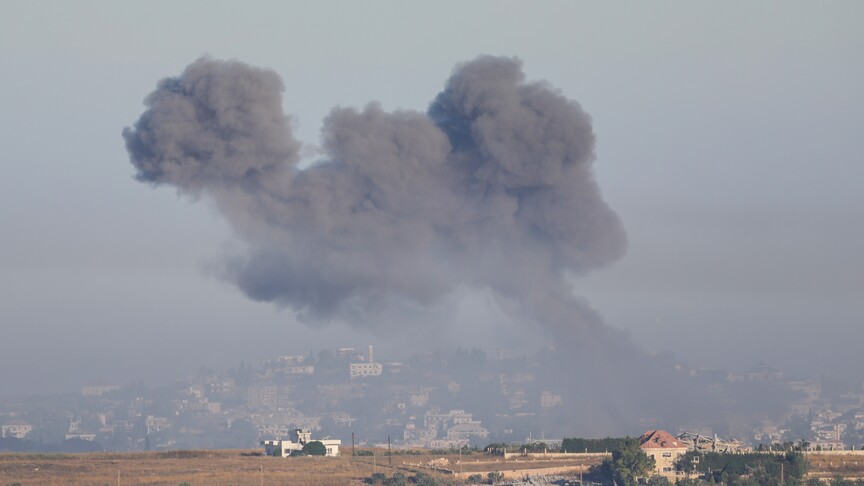
Moreover, the atmosphere of war did not leave Nabatieh and its surroundings since the ceasefire was declared, as a week after its residents attempted to return, and during the night of June 28 last, warplanes raided a building in the Maslakh neighborhood east of the city and completely destroyed it, causing returnees to flee during the night fearing for their families and children. Meanwhile, Upper Nabatieh, adjacent to the city on its eastern side, continues to suffer daily targeting and raids by warplanes and drones and shelling by heavy artillery, even as of the writing of this report, in addition to acts of destruction in Kfar Tebnit and Arnoun and raids on Jabal Ali al-Taher overlooking Nabatieh from a height of 600 meters above sea level.
"Independent Arabia" in Nabatieh
A short tour in the markets of Nabatieh is enough to understand the scale of the disaster left by the war.
In a field trip by "Independent Arabia," we headed to the commercial markets, where we observed a city whose details are still dominated by the effects of war.
We walked through streets that have lost most of their landmarks, and commercial shops turned into empty concrete shells, while others closed their doors after their facades and roofs were destroyed.
There, dozens of shops appeared destroyed or cracked, while piles of rubble covered the sidewalks and roads, and storefronts were scattered among stones and shattered glass. We also observed signs of fires and explosions on heritage buildings, some of which lost their stone arches and roofs, while dangling electrical wires and empty streets remain a testament to the violent bombardment that this part of the city endured.
Despite the return of a limited number of shop owners to inspect their properties or start simple cleaning work, the general scene still suggests that Nabatieh is far from restoring its economic pulse known before the war.
Meanwhile, some merchants in Nabatieh and several villages of the district attempted to restore what they could of their establishments and shops in order to reopen them as soon as possible to contribute to the return of normal life. However, the scale of destruction was far greater than the ability to repair the damage quickly, as was the case after the 66-day aggression of 2024, especially in the markets of Nabatieh spread across its square and branching roads toward a number of its residential neighborhoods and in the industrial and commercial cities adjacent to its borders in Marj Harouf, Douair, Kafr Reman, Haboush, and Upper Nabatieh, which are considered complementary to it.
Lone Attempts
The owner of a restaurant in Nabatieh, named Jalal Nasr, says, "In the 2024 war, the restaurant was completely destroyed. We came back and raised it anew during the first month after the ceasefire on November 27, 2024. We treated about 70 percent of its destroyed parts. Then came the last war, and of course, about 30 to 40 percent of it was damaged, foremost among the damage were the glass and facades. Here I am again, reinstalling what it needs of glass to restart the restaurant."
He adds, "I won't say life has returned to normal, but what I did is an attempt to inject economic life into Nabatieh and encourage people to return. The economic situation after this war is severely exhausted, and conditions are unfavorable because they are linked to the agreement reached before the ceasefire, and this agreement is unclear and not binding like other previous agreements that were not implemented. But we say, thank God, we reopened our establishment and await relief. This is what every owner of a not-so-damaged establishment is doing. We will not leave Nabatieh to its grief and ruin, and we hope that the authorities will deal with us with due attention and care."
Merchant Qassem Ahmed Fakhr El-Din speaks of "the importance of the Saray neighborhood in Nabatieh for its residents and the city's people. This old heritage neighborhood, over 100 years old, perhaps more, is the foundation of Nabatieh. We have beautiful and many memories there, so there is great sadness over what has become of it after its bombing and the destruction of its heritage market. I have three adjacent shops in the market that were completely destroyed by the airstrike. My father was in them for 30 years, and I have been running them after him for 30 years. My grandfather was the original owner when he headed these establishments for many years. It is our source of livelihood. We went to sleep at night owning shops and businesses, and we woke up the next day to find that we have nothing. May God compensate."
He adds, "I have been here for 30 years, and I almost swear that I never closed a single day, from early morning until late at night. I could not take anything out from under the rubble. We had valuable goods worth large sums here, and even our personal belongings that we kept here, we lost them as well. I watched the shops burning and could not do anything. I won't know where to start, as I am over 60 years old. And where will I get another 30 years to restore these shops to what they were?"
No Recovery Under the Shadow of War
The head of the Regulatory Association for Merchants of Nabatieh and the Vicinity, Muhammad Barakat Jaber, points out that "one cannot talk about economic recovery as long as the Israeli is no more than four or five kilometers away from here. And if we talk about the east of the city near the Teachers' College building, the distance almost does not exceed three kilometers. Whoever crosses this area becomes exposed to danger and certain death, as happened to the principal of Upper Nabatieh School, Speranza Ghandour, who was targeted by an Israeli drone along with her mother, a plumbing worker, and a housekeeper near the Teachers' College. The Israeli does not care whether the target is civilian or not; it directly targets anyone approaching Upper Nabatieh within three kilometers from the center of Nabatieh."
He adds, "The area of Nabatieh is about eight square kilometers. Its commercial market connects with Upper Nabatieh to the east, the Kafr Jouz neighborhood, which is property-wise part of the city from the north with Haboush, to the borders of Zibdin west, and the borders of Shoukin south. This entire area is considered a commercial market. Nabatieh is not an ordinary city; commercially, it is the economic and commercial capital of a wide area of southern Lebanon. The markets of Nabatieh and its surroundings used to attract daily the sons of the city from the district and surrounding villages, and it is a compulsory passage for many areas, such as Marj Ayoun, Hasbaya, and Al-Khiam to the east, and for areas far from Nabatieh, and they shop from its stores. Even if residents of these areas decide to go to Sidon or Beirut, Nabatieh is their compulsory passage."
Original source: Independent Arabia

Comments (0)
Be the first to comment.