Iran Buries Khamenei in Historic Funeral.. 20 Million Participants Expected
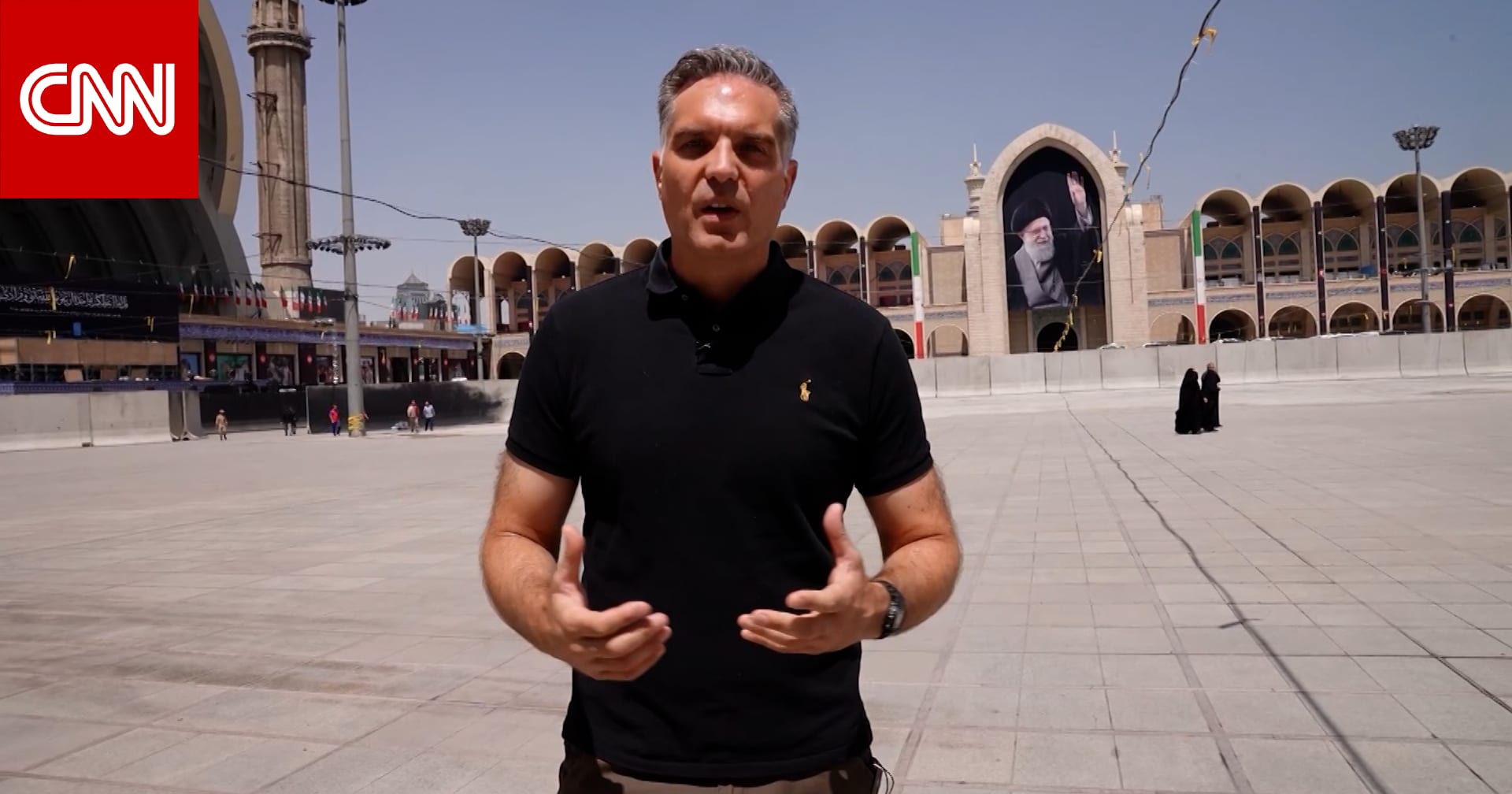
The funeral of Iran's Supreme Leader Ali Khamenei is expected to draw millions of mourners, with events spanning a full week and covering five cities in two countries.
The funeral of Iran's Supreme Leader Ali Khamenei is expected to draw millions of mourners, with events spanning a full week and covering five cities in two countries.
When the United States and Israel launched their war on Iran in late February, one of the first targeted assassinations was the killing of longtime Iranian Supreme Leader Ali Khamenei, along with several family members, in a massive airstrike.
More than four months later, Iran is preparing to hold what may be the largest funeral ceremony in the country's history.
Final preparations are underway at the vast 'Mosalla' complex in central Tehran, with extreme security measures in place, as millions are expected to gather for a final farewell.
Tehran is filled with images of the late Supreme Leader, posters, billboards, and even statues on buildings and in public squares, with many vowing revenge against the United States and Israel for Khamenei's death.
After the US and Israel killed the Supreme Leader and several Iranian political and military leaders, Tehran quickly reorganized and appointed Khamenei's son, Mojtaba Khamenei, as the new Supreme Leader, who has not appeared publicly since taking office and only communicates through written statements.
Iran also launched powerful missile and drone strikes and effectively closed the Strait of Hormuz.
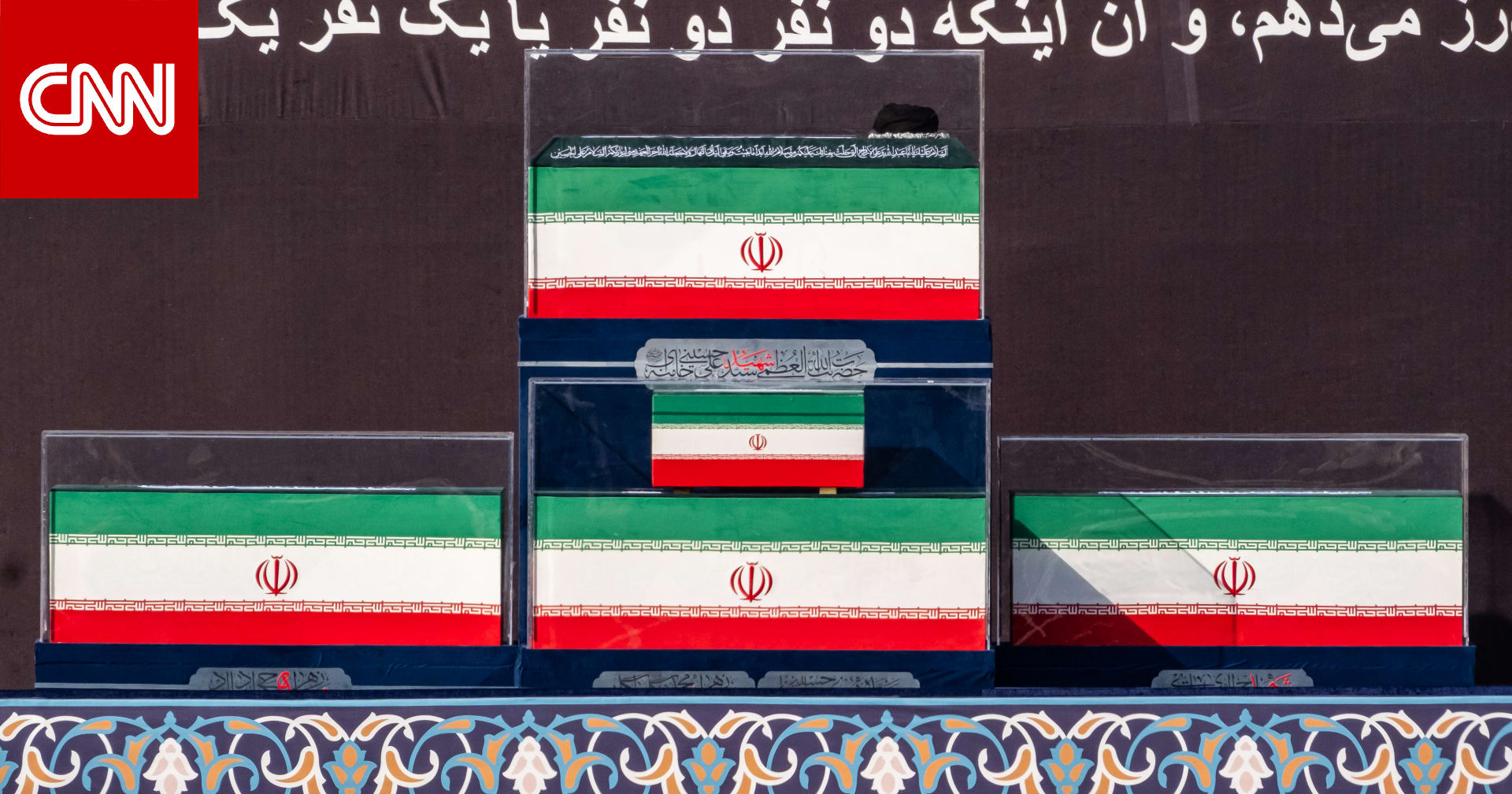
With a fragile ceasefire holding for now, Iranian political and military leaders were among the first to pay their final respects at the state coffins, including the president, foreign minister, and chief negotiator.
Among the coffins, a small one stands out, containing the remains of Khamenei's granddaughter. CNN is in Iran and operating with permission from the government while maintaining full editorial control, and Fred Pleitgen was the only Western television journalist allowed into the event site on Friday, presenting his report on the program 'OutFront.'
Original source: CNN Arabic




Comments (0)
Be the first to comment.