Iran's Revolutionary Guards Warn Against Using Alternative Routes in Strait of Hormuz
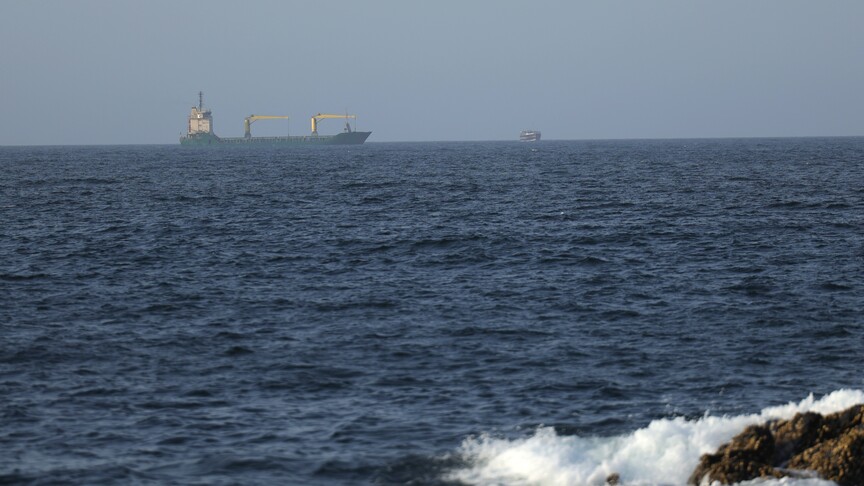
The Revolutionary Guards said the entrances and exits of the Strait of Hormuz are clearly defined and under their absolute control, while alternative routes are unsafe and dangerous.
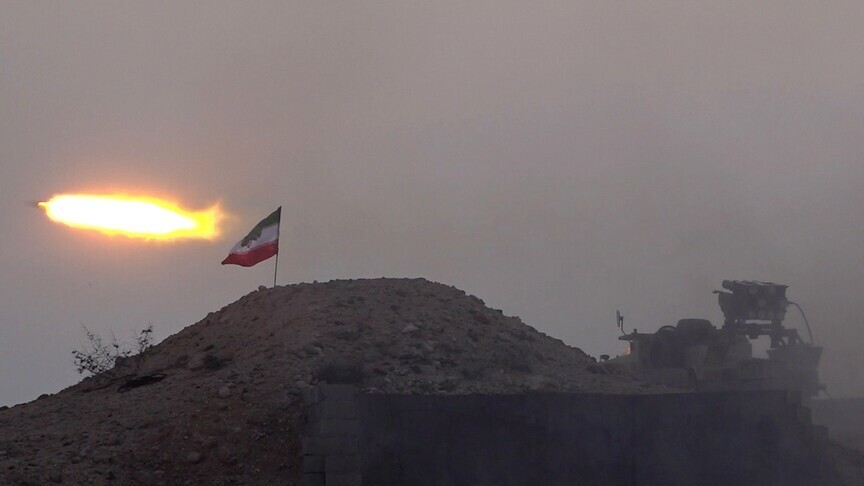
Iran / Anadolu
On Wednesday, Iran's Revolutionary Guards issued warnings against resorting to alternative passages within the Strait of Hormuz, stressing that any such step would have extremely serious repercussions.
The Strait of Hormuz is one of the most vital waterways for global energy supplies and international trade.
These warnings were issued in an official statement published by the naval forces command of the Revolutionary Guards, addressing maritime navigation in the waterway.
The statement said: 'The entrances and exits of the Strait of Hormuz are clearly defined and under our absolute control, while alternative routes are unsafe and dangerous.'
It added: 'We warn that using alternative routes in the Strait of Hormuz may lead to irreversible consequences.'
This Iranian warning comes alongside previous warnings by US President Donald Trump, who threatened to target vital Iranian facilities in response to any targeting of navigation.
Trump said in a post on his platform 'Truth Social': 'From this moment on, if the Islamic Republic of Iran fires on any vessel in the Strait of Hormuz, whether with a missile, projectile, drone, or any other means, the United States will bomb and destroy a bridge or power generation station, including those located in or near the capital Tehran.'
Trump's remarks followed his announcement that three additional US soldiers were killed in attacks he said Iran launched in recent days against US bases in the Middle East, bringing the total number of US military deaths in the ongoing escalation with Iran to 18 soldiers.
The strategic waterway is witnessing escalating tensions that directly impact global energy security and freedom of international navigation. These mutual threats are of great importance given the rising military and political friction between Washington and Tehran. Eyes remain fixed on field developments in the region amid growing fears of an expanded confrontation. The parties involved continue to exchange escalatory messages that further complicate the regional security landscape.
Original source: Anadolu Agency


Comments (0)
Be the first to comment.