Iran's tightening in the Strait of Hormuz pushes Oman towards a firmer stance towards Tehran

Iran's hardening in managing the Strait of Hormuz and its targeting of ships attempting to cross it are pushing Oman to take a more resolute stance towards Tehran, differing from the delicate balance it has always sought to maintain in its relations with the Islamic Republic and the United States, according to analysts.
During the war that erupted on February 28, Oman kept its diplomatic channels open with Iran, even though it was not spared from the latter's strikes on Gulf states. After Muscat had led mediation efforts between Tehran and Washington in recent years, it found itself during the war far from this path, and even faced U.S. accusations that it was too close to the Islamic Republic.
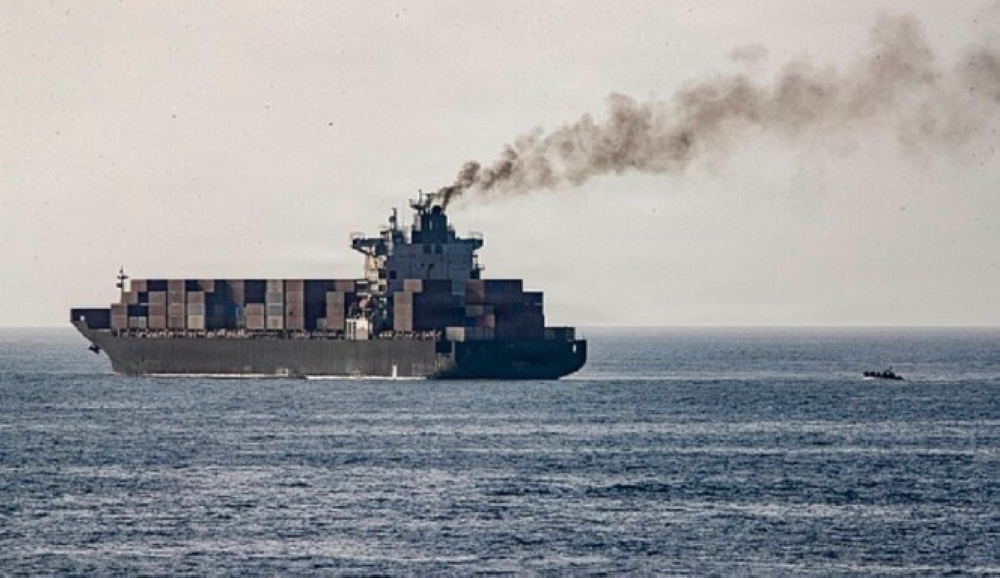
But the return of tension to the Strait of Hormuz and attacks attributed to Iran on ships attempting to cross it along a route recently designated by Oman placed the sultanate before a difficult test of its relations with the Islamic Republic.
Anna Jacobs, an analyst specializing in Gulf security affairs, told AFP, 'The new Iranian leadership must realize that it is alienating its last relatively friendly ally in the Gulf.'
She added, 'The Iranians are overestimating their strength and seeking to impose a comprehensive confrontation on the Strait of Hormuz, including Omani territorial waters,' considering that 'Oman will not accept this.'
Tehran closed the Strait of Hormuz, vital for oil and gas supplies, during the war, and insists that maritime navigation there will not return to its previous state, but will be subject to arrangements agreed upon by the two littoral states, namely Iran and Oman.
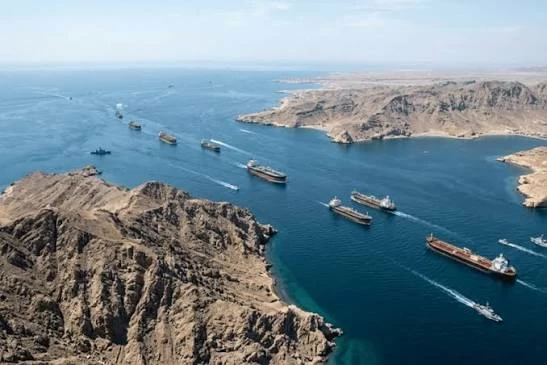
After the two countries said in late June that they would consider imposing 'service fees' on transit, Muscat announced the allocation of a maritime route for ships passing along its shores, a step rejected by Tehran, which insists that passage through the strait be limited exclusively to the route it has designated.
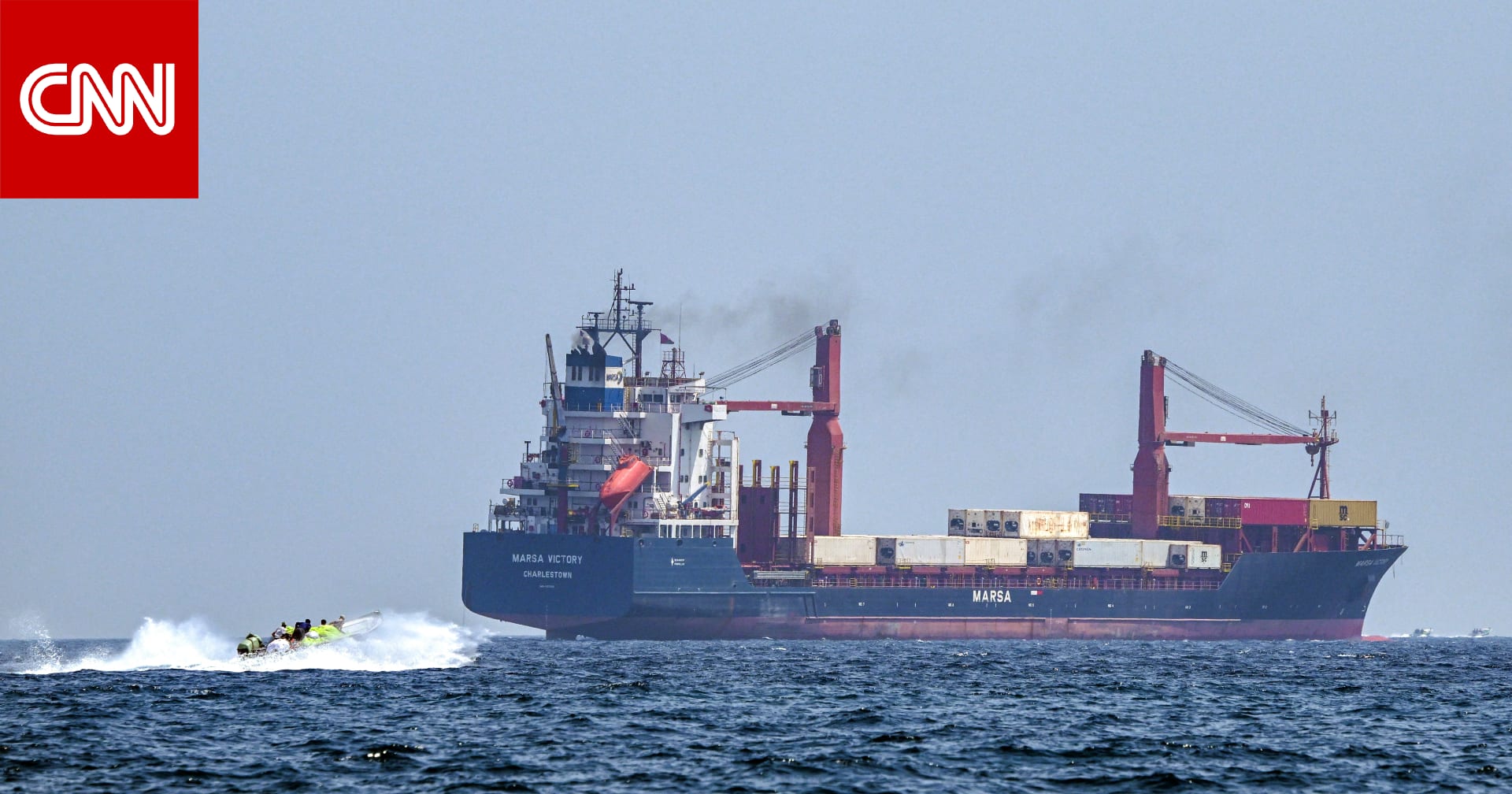
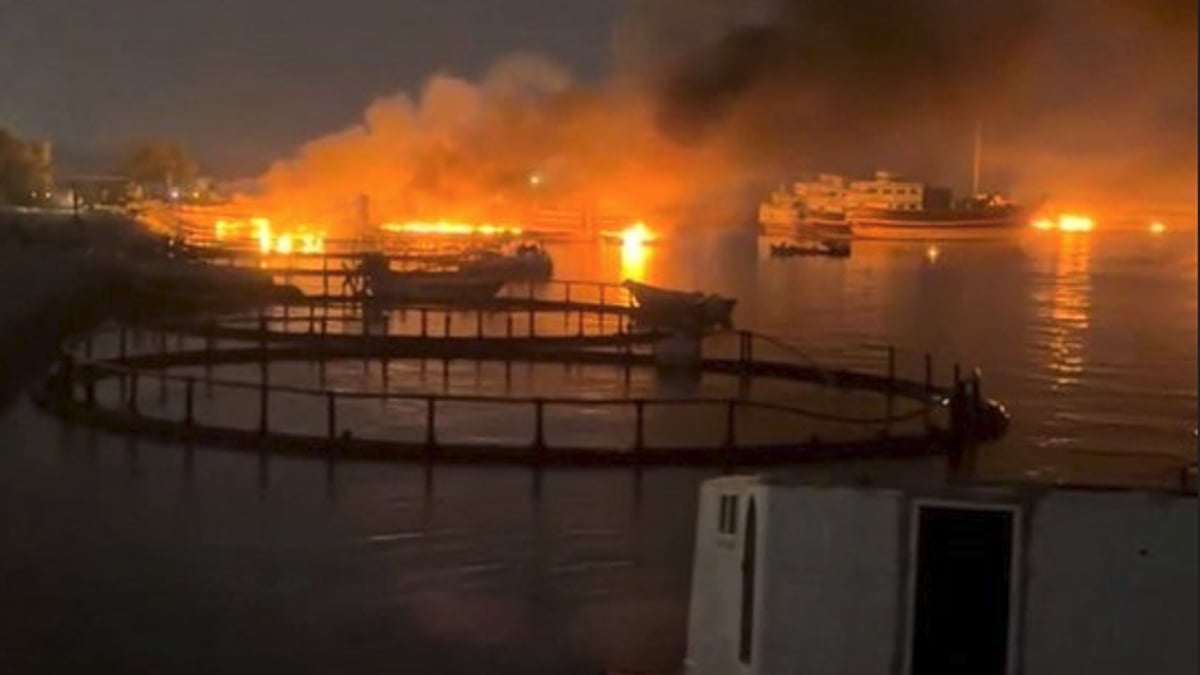
Since last week, ships attempting to cross the strait via the Omani route have been subjected to attacks attributed to Iran. The United States responds to these strikes with attacks on the south of the Islamic Republic.
On Sunday, the Omani Foreign Ministry announced the summoning of the Iranian ambassador to hand him a protest note 'over the targeting of sites in the Musandam and Al Wusta governorates by drone attacks.'
This protest, which came the day after Iranian Foreign Minister Abbas Araghchi's visit to Muscat, is rare, as Oman had avoided blaming Iran for attacks since the outbreak of the war and adopted a more neutral stance, unlike most Gulf states that have been targeted by Tehran.
Omani researcher in international relations and Gulf affairs Abdullah Baaboud said this protest 'sends a message to the international community and Gulf partners that Omani neutrality does not mean silence over violations of national security.'
He added to AFP that 'Oman distinguishes between maintaining diplomatic relations and tolerating any violation of its sovereignty.'
'An Unenviable Position' -
Since the outbreak of the war with a US-Israeli attack on Iran, the Strait of Hormuz has become a focal point of tension. Its future forms a major point of contention between Tehran and Washington, given its importance for energy supplies.
Due to its location on one side of the strait, the Strait of Hormuz is a matter of utmost importance for Oman and has become a benchmark for its relationship with both parties.
Jacobs says, 'The war... put Oman in an unenviable position.'
She explains that 'the Strait of Hormuz and maritime security in the Gulf represent an urgent national security issue' for Oman, and therefore 'it must maintain strong working relations with both the United States and Iran.'
The Omani Foreign Ministry stressed on Tuesday that it continues 'its transparent and neutral cooperation with all parties to restore freedom of navigation in the strait, in full conformity with international law,' calling on 'all parties to respect international law and act accordingly.'
Baaboud believes that the sultanate is 'a key partner in the security of the strait, and any escalation that threatens navigation or imposes unilateral arrangements will have direct repercussions on Omani economy and security.'
He explains that Muscat seeks to 'separate political neutrality from defending national security,' noting that 'Omani neutrality is not passive neutrality, but active neutrality based on mediation and dialogue.'
For years, Oman played the role of a trusted mediator in the thorny negotiations between Tehran and Washington. But it was absent from this role during the recent war between them, replaced primarily by Pakistan, in addition to Qatar.
While the main divergence was with the United States during the weeks of war, it appears that the gap is now widening between Muscat and Tehran over the Strait of Hormuz.
Baaboud considers that Oman wants to maintain a stable relationship with Tehran 'due to geography and common interests, but on the other hand, it cannot overlook any attack on its sovereignty.'
But if Iran continues its attacks, the sultanate is likely to resort to 'greater hardening in diplomatic rhetoric, enhancement of defensive and security measures in coordination with its partners, and greater alignment with Gulf positions regarding the protection of collective security,' according to the Omani researcher.
Original source: Al-Riyadh

Comments (0)
Be the first to comment.