Iraq’s prime minister carries the title, but not the power

Al-Zaidi’s Washington visit exposed the pressure reshaping Baghdad’s politics, security and economy.

Journalist and analyst.
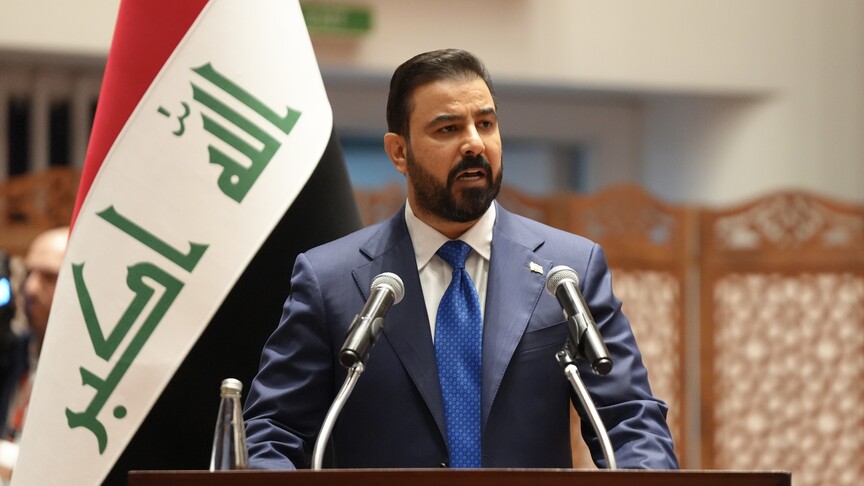
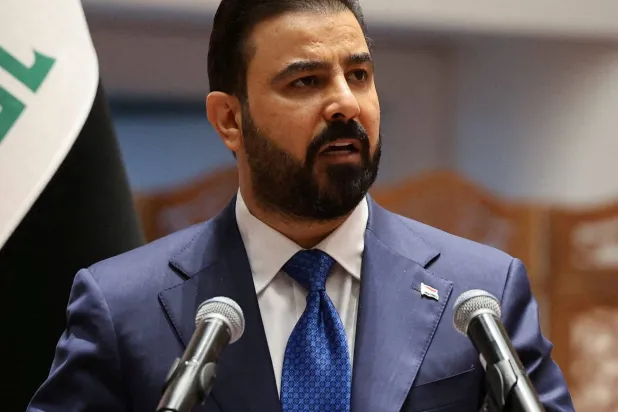
Iraqi Prime Minister Ali al-Zaidi visited Washington this week, but his authority is undermined by the financial leverage the US holds over Baghdad.
Published On 15 Jul 202615 Jul 2026

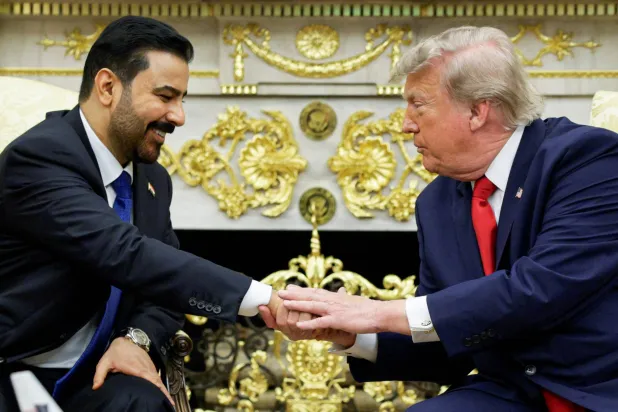
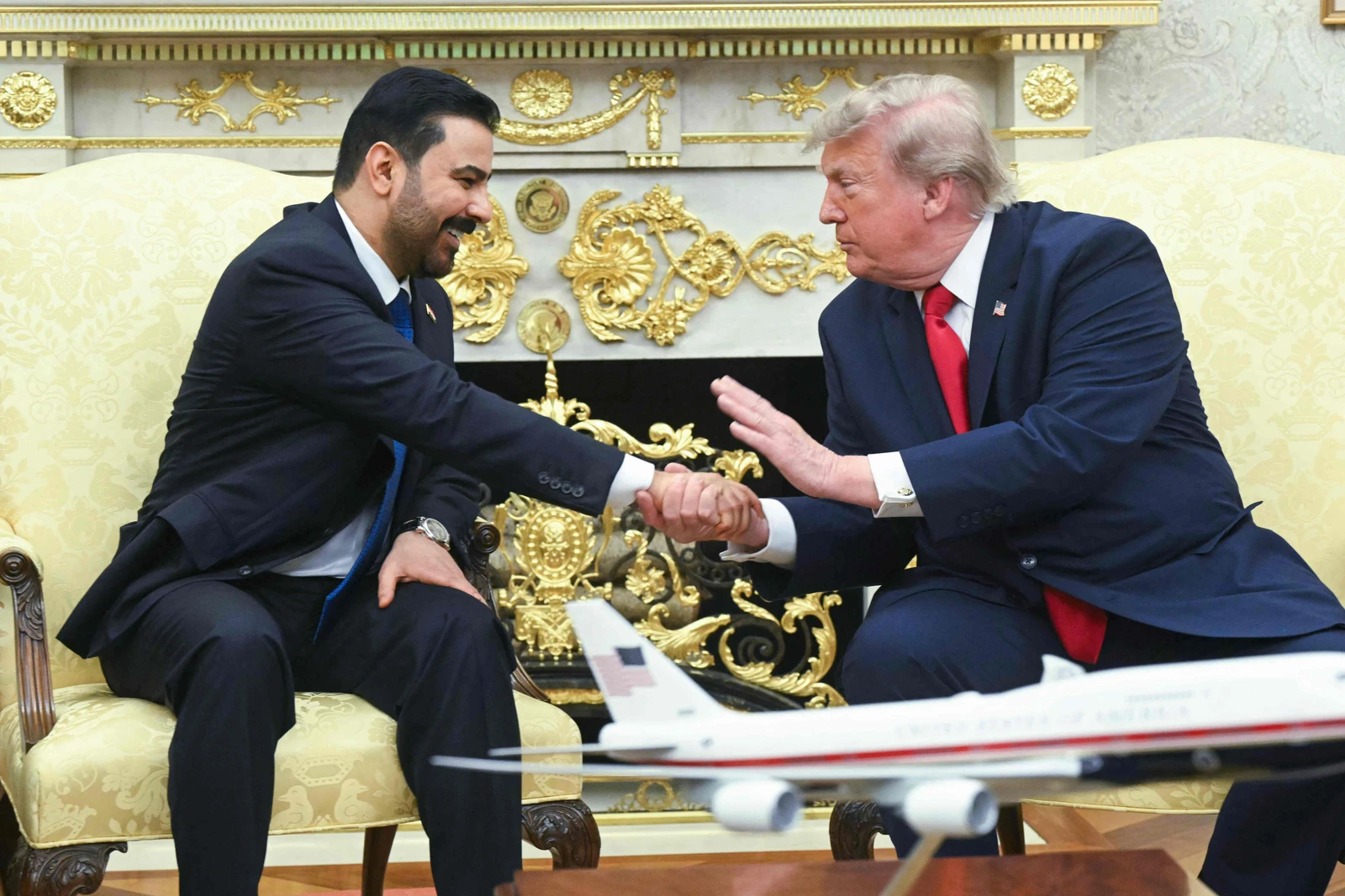
Ali al-Zaidi met US President Donald Trump in the Oval Office on Tuesday as Iraq’s prime minister. He carried the title. The power was another matter.
Eleven weeks earlier, after months of paralysis, the Shia alliance which is known as the Coordination Framework had taken just 25 minutes to choose him. That sudden consensus was forged under intense pressure from Washington DC.
The United States Treasury had frozen Iraq’s dollar lifeline, the cash shipments that fly from New Jersey to the Central Bank of Iraq. Nouri al-Maliki, a former prime minister, and the top contender to return to the premiership had to abandon his plans because of Washington’s veto.
Al-Zaidi, a 40-year-old banker with no political base, was the man left standing.His lack of an established political base is part of his usefulness. He owes his position less to Baghdad’s ballot box than to the pressure exerted by Trump’s Treasury.The banker’s own ledger is not clear.
Iraq's Central Bank barred al-Zaidi's bank, Al-Janoob Islamic Bank, from US-dollar transactions in 2024 as part of a broader effort to stem illegal dollar flows to Iran. He was never charged, and neither he nor the bank is currently sanctioned. However, the file remains, potentially providing Washington with additional leverage if al-Zaidi hesitates.
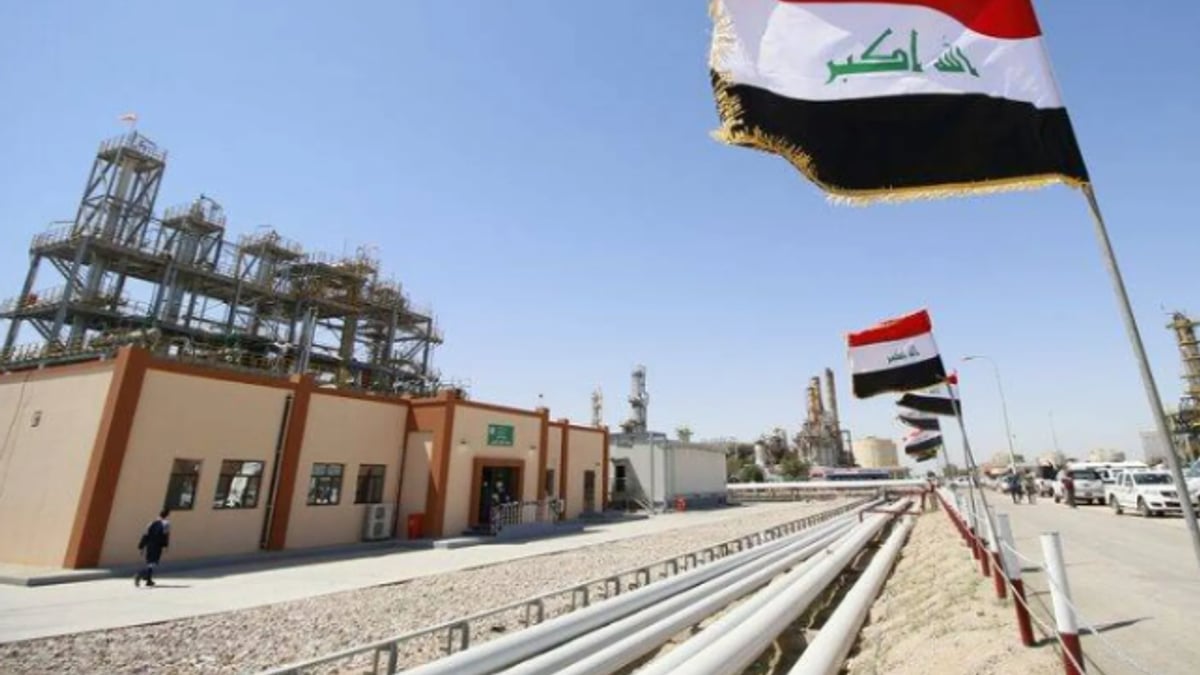
The real power in Baghdad now sits in one man’s portfolio. Tom Barrack holds three titles at once: ambassador to Turkiye, envoy to Syria, and now envoy to Iraq. His influence rests less on diplomacy than on Washington’s financial leverage over Baghdad. Iraq’s oil revenue sits in an account at the Federal Reserve Bank of New York. In April, Washington blocked a cash shipment of nearly $500m drawn from those revenues and suspended parts of its security cooperation. Oil funds roughly 90 percent of Iraq’s budget. Barrack does not need to threaten military force when the administration he represents can reach directly into the financial system on which the Iraqi state depends.
The US demand for Iraq to bring all armed groups under state control remains unresolved. Muqtada al-Sadr dissolved his Saraya al-Salam militia in late May, and other groups like Asa’ib Ahl al-Haq and Kataib Imam Ali have taken steps toward surrendering their weapons or placing them under state oversight. That constitutes real progress. However, Kataib Hezbollah and Harakat al-Nujaba, the most Tehran-aligned factions, have refused full disarmament, stating that their weapons are not negotiable. The US has responded with strikes that killed dozens of PMF fighters this spring and Treasury sanctions against seven militia commanders. Baghdad's September 30 disarmament deadline coincides with the expected departure of remaining US forces. Whether the hardest-line factions will comply remains an open question that Washington has not honestly addressed.
Even Grand Ayatollah Ali al-Sistani’s authority has limits here, as it always has. Al-Sistani’s 2014 fatwa built the PMF’s founding myth. But his call was for men to defend Iraq under the state’s command, not to form independent militias. The hardline factions never answered to Najaf. They answer to Tehran. al-Sistani’s own representative in Karbala has also pressed publicly for exclusive state control of weapons. His influence remains significant, but it has never extended to full control over these factions, and the current standoff is making that reality harder to ignore.
The prize Washington actually wants, however, lies underground. Chevron is negotiating an expanded role in Iraq’s oil sector, while other US companies are pursuing contracts in gas, electricity and export infrastructure. Baghdad wants production up from 4.5 million barrels a day to 7 million within three years, though doing so would require a substantially larger OPEC quota. Western Iraq’s gas reserves, largely untapped, could one day elevate the country into a dominant regional energy player and exporter. This is the potential bonanza al-Zaidi is being asked to unlock in exchange for the loyalty Washington is seeking.
Kurdistan’s place in this emerging arrangement is still unclear. Barrack has called the old Baghdad-Erbil federal model outright “Balkanization”, a structure he blames for letting Iran fill the vacuum. Yet the same envoy spent much of June pressing the prime minister of the Kurdish region, Masrour Barzani, to reactivate the Kurdistan parliament and form a new cabinet, not dissolve it. Read together, these positions suggest a clear message: Washington wants a functioning, cooperative Kurdistan region, firmly inside Washington’s orbit, not an autonomous wildcard and not a vassal of Baghdad’s sectarian blocs either.
Stripped of diplomatic varnish, Washington’s vision for Iraq is this: no militias operating outside the state; no Iranian veto over Iraqi policy; no single sect running the table from Baghdad; a Western economic orientation locked in by contracts, not sentiment; American energy firms as the primary beneficiaries; and a prime minister who answers, in practice, to Tom Barrack before he answers to his own parliament. Whether Iraq is pressured towards the Abraham Accords, whether the old nationalist and Ba’athist-adjacent currents find any oxygen again, whether sectarian parties actually lose their seats at the ballot box, these remain predictions, not settled facts.
What is clear is simpler and starker. Iraq spent two decades as the ground on which Iran and America fought indirectly, through proxies and sanctions. It is now becoming something else: a state whose oil, banking system and militias are all being renegotiated at once under intense US pressure. At the centre of this transformation is a banker-premier chosen in twenty-five minutes and now expected to deliver by September 30.
The Gulf model, from Riyadh and Abu Dhabi to Manama, Kuwait, Doha and Muscat, took decades to lock in. Trump’s Washington wants to compress Iraq’s version into a single presidential term. Whether Baghdad survives that compression intact, or merely changes which capital it answers to, is the question al-Zaidi’s visit left unresolved.
The views expressed in this article are the author’s own and do not necessarily reflect Al Jazeera’s editorial policy.
The true power in Iraq lies with US envoy Tom Barrack, who can control Iraq's oil revenue through the Federal Reserve. With 90% of Iraq's budget funded by oil, Washington's financial pressure is potent. The September 30 deadline for disarmament and US withdrawal adds urgency, but Tehran-aligned militias remain defiant.
Original source: Al Jazeera

Comments (0)
Be the first to comment.