Lebanese Foreign Minister: Government Decides to End Hezbollah's Military Presence
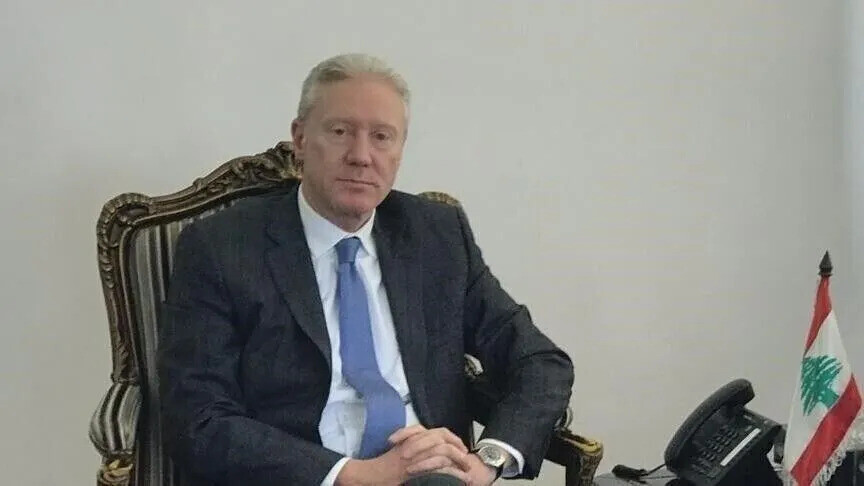
In a speech at the French Senate, he said the decision stems from a national will, linking its completion to Israel's withdrawal from Lebanese territories..
BEIRUT / Wassim Seifeddine / Anadolu
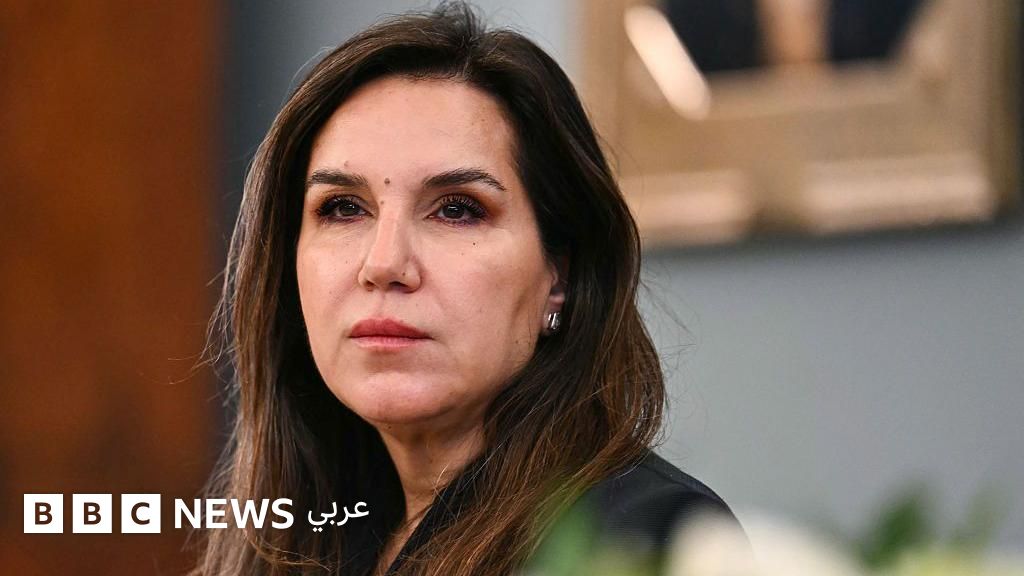
Lebanese Foreign Minister and Emigrants Youssef Raji said on Thursday that his country's government took a "historic decision" to end the military presence of "Hezbollah".
This came in a speech delivered by Raji at the French Senate during a conference titled 'In Solidarity with Lebanon: Local Authorities at the Heart of the French-Lebanese Partnership,' according to a statement by the Lebanese Foreign Ministry.
Raji said that Lebanon 'chose to rebuild a fully sovereign state, which alone monopolizes the decision on its foreign policy and national security, and alone exercises the right to use legitimate force.'
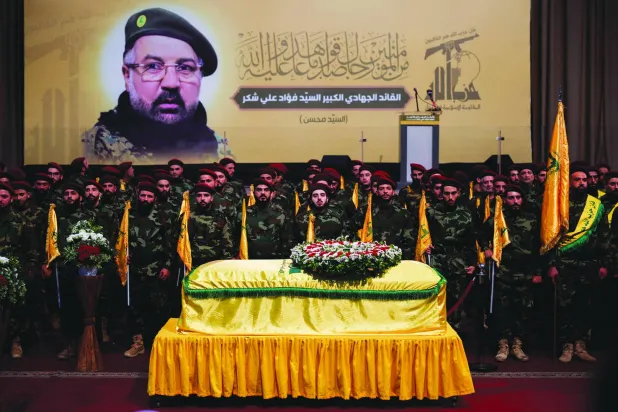
He added that the government 'took, in this context, historic decisions, foremost among them ending the military presence of Hezbollah.'
He explained that the decision to end Hezbollah's military presence 'was not a response to external pressures nor the fruit of diplomatic negotiations, but rather an expression of a pure national will.'
On August 5, the Lebanese government approved the monopolization of weapons by the state, including those owned by 'Hezbollah'.
In September, the government welcomed the army's plan to implement the decision, but did not set a deadline for its implementation as expected, a move observers considered an attempt to appease the party and its base.
Raji considered that the state 'cannot restore its credibility and prestige in the presence of armed organizations operating outside its constitutional authority.'
He affirmed that Lebanon 'no longer moves according to the dictates of circumstances, but according to a clear vision that considers sovereignty indivisible, national decision non-delegable, and the monopoly of legitimate force can only be for the state.'
Raji stressed that 'decisions on war and peace, national security, and foreign policy are taken today in Beirut, and in Beirut alone.'
He pointed out that the government aims to 'gradually extend the authority of the Lebanese army over all Lebanese territories, including the south, in accordance with sovereign decisions and Security Council resolutions.'
Raji linked achieving this goal to 'a complete Israeli withdrawal from all Lebanese territories,' considering that 'the continued Israeli occupation undermines state institutions and delays the restoration of stability.'
He affirmed that 'sustainable stability cannot be discussed unless the state is the only entity that monopolizes the use of legitimate force.'
For his part, French Senate President Gérard Larcher said at the opening of the conference that Lebanon has gone through successive crises, the latest of which he said was 'caused by Hezbollah.'
He described the Lebanese government's decision to reject the path of war and move towards negotiations with Israel as 'brave and historic.'
On June 26, Beirut and Tel Aviv signed, under American sponsorship, a 'framework formula' providing for a gradual Israeli withdrawal from all occupied Lebanese territories, starting with two pilot areas without naming them.
The agreement did not set a timeline for the withdrawal, linking it to the Lebanese army assuming full security responsibility in the areas from which the Israeli army withdraws, and the disarmament of armed groups, with particular reference to 'Hezbollah.'
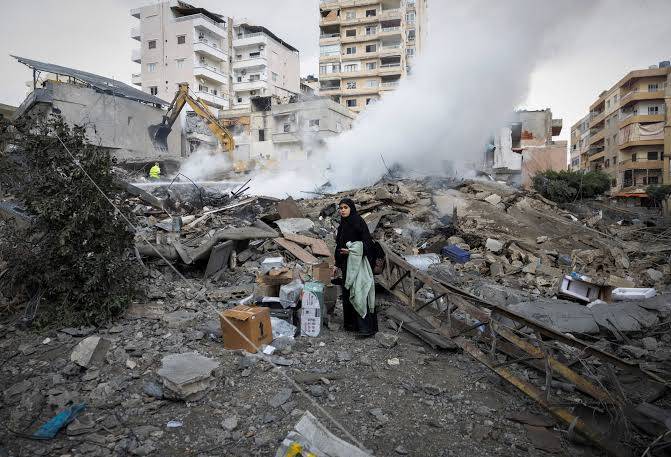
Israel continues its aggression on Lebanon, which began on March 2, 2026, and has resulted in 4,324 deaths and 12,223 injuries, as well as the displacement of over one million people, according to the Lebanese Ministry of Health.
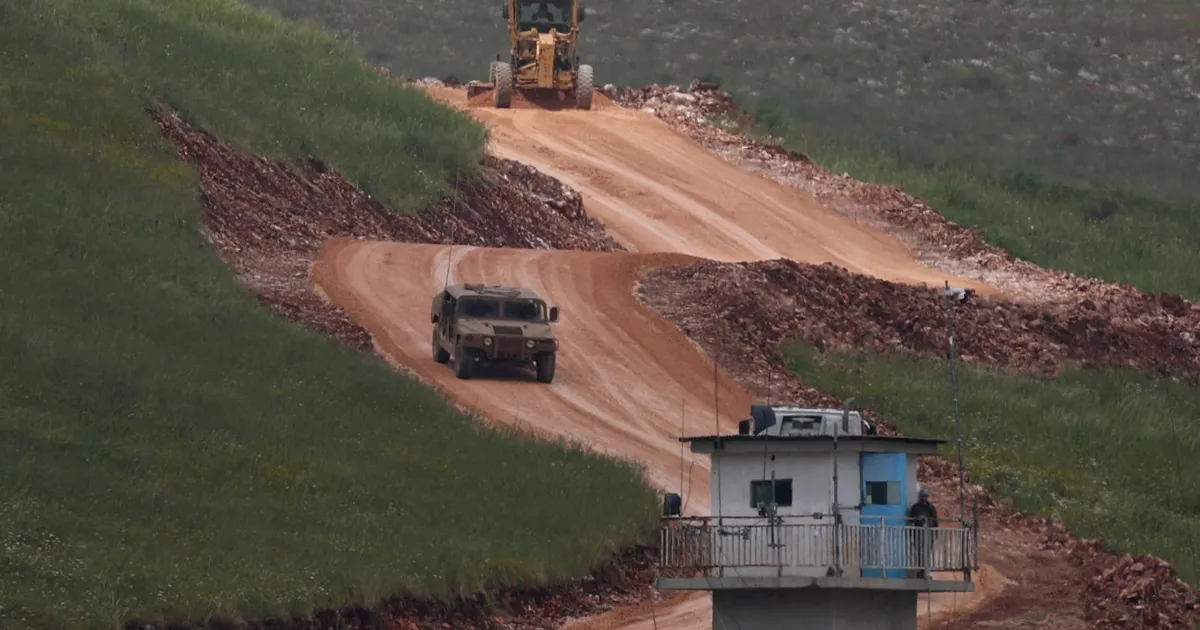
Israel occupies areas in southern Lebanon, some for decades, and others since the previous war between 2023 and 2024, and has also penetrated more than 10 kilometers inside Lebanese territory during the current aggression.
Original source: Anadolu Agency

Comments (0)
Be the first to comment.