Lebanon's Prime Minister from Zawtar al-Gharbiyya: We will continue our efforts to secure a full Israeli withdrawal from the south
International
Lebanon's Prime Minister from Zawtar al-Gharbiyya: We will continue our efforts to secure a full Israeli withdrawal from the south
Zawtar al-Gharbiyya (Lebanon) - Follow-ups
Date of publication: July 23, 2026 01:16 KSA
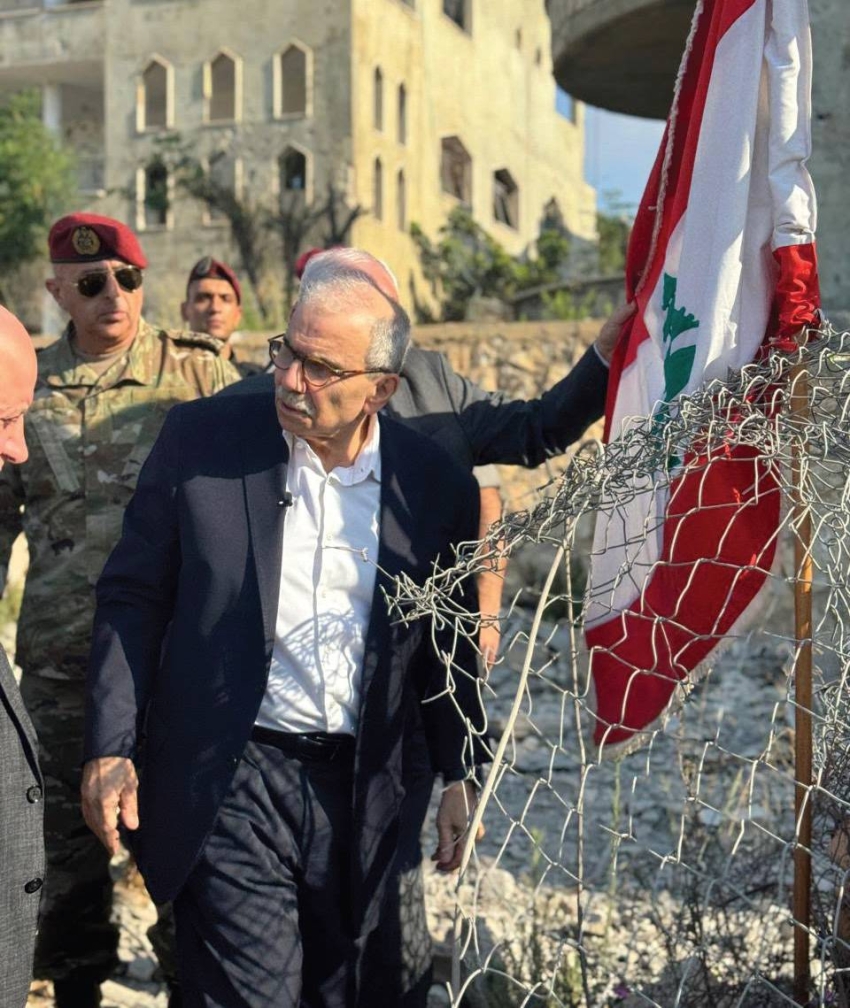
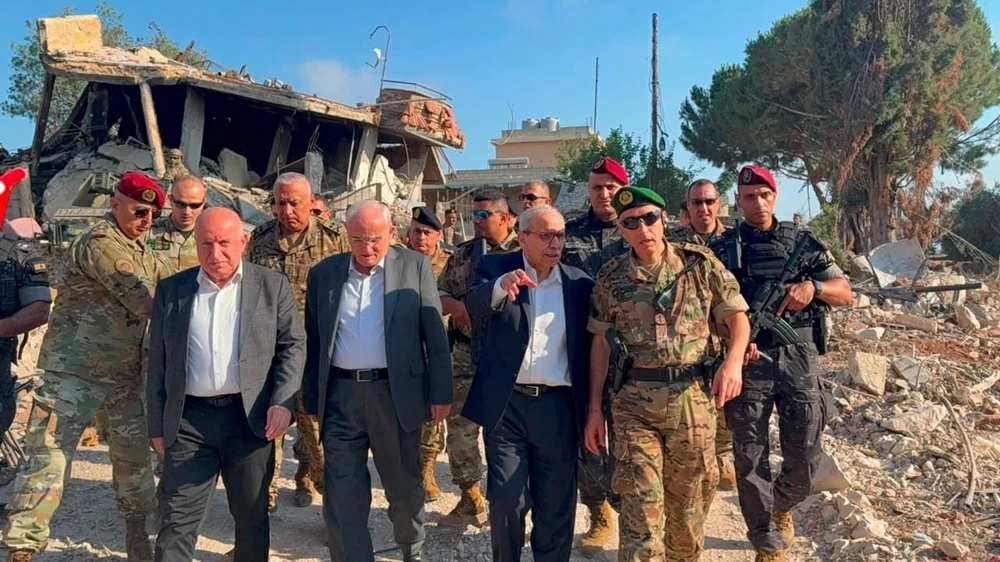
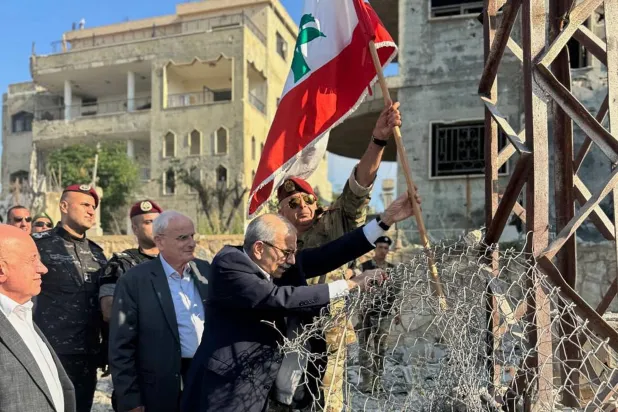
From the town of Zawtar al-Gharbiyya, Lebanese Prime Minister Nawaf Salam confirmed on Wednesday, a day after the Lebanese army deployed there, that Beirut will continue to 'mobilize' all efforts to secure a full Israeli withdrawal from the south of the country, according to the framework agreement signed by the two countries. This came a day after President Joseph Aoun stressed during his meeting with his US counterpart Donald Trump at the White House 'the urgent need for a full Israeli withdrawal from Lebanese territory,' affirming that this 'constitutes an essential step to consolidate stability and enable the Lebanese state to exercise its full sovereignty with its own forces.' Salam said after planting the Lebanese flag in Zawtar al-Gharbiyya square, which he reached in the morning accompanied by the army, 'We will continue to mobilize all our political and diplomatic efforts to secure a full withdrawal from all Lebanese territory.'
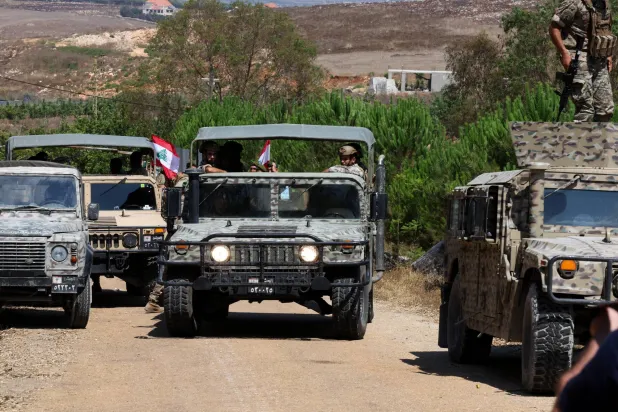
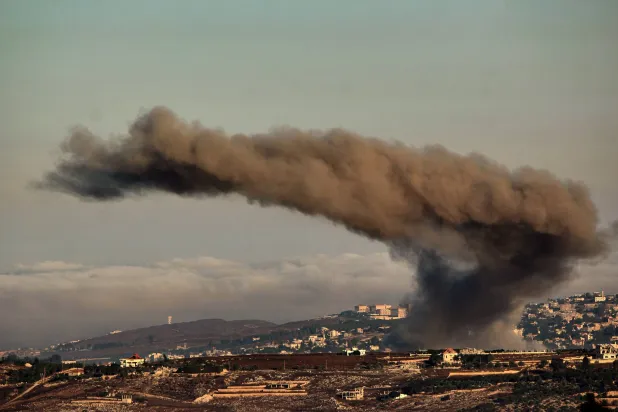
On Tuesday, the Lebanese army began deploying in Zawtar al-Gharbiyya, one of the 'experimental zones,' under the framework agreement signed by Lebanon and Israel with American sponsorship last month. The Israeli army had been positioned on the outskirts of the town, located in the Nabatieh region, and still keeps its forces in several neighboring towns. The Lebanese army denounced the Israeli forces opening fire near its soldiers during their deployment, while the Israeli army said it fired 'warning shots in the air' after Lebanese soldiers entered an area that was not 'part of the experimental zone.' Under the framework agreement, after its deployment in the 'experimental zones,' the Lebanese army is supposed to disarm Hezbollah there and ban any military presence of any group outside the government forces, with this serving as a test for a gradual Israeli withdrawal from other areas. Salam explained in his speech from Zawtar al-Gharbiyya that 'in parallel with the completion of the army deployment, we will continue to open roads, remove rubble, and provide basic services, allowing our people to return safely and with dignity to their homes and villages.' More than 700,000 displaced people, according to the United Nations, have returned to their homes in recent weeks, out of more than one million who fled their areas following the outbreak of war between Hezbollah and Israel. On Wednesday morning, dozens of displaced residents waited at the outskirts of Zawtar al-Gharbiyya to be allowed entry, according to an AFP photographer. Abbas Yaghi (73 years old) said, 'Thank God, we will enter with our heads held high with the presence of the Lebanese army, which we are proud of.' The army called on residents on Tuesday not to go there 'until the security situation stabilizes.' Mustafa Ammar (60 years old), a displaced person from Zawtar al-Sharqiyya, said, 'We will follow the army if it gives us permission to enter,' hoping that the implementation of the framework agreement would extend to other towns, including his village. Wafaa Ismail (64 years old) came since morning, hoping to enter Zawtar al-Gharbiyya facing her town. She expressed displeasure at the prime minister entering alone, adding, 'He should have let the people enter behind him to record a victory.'
Lebanon withdrawal army stability displaced Zawtar agreement Hezbollah
Original source: Al-Madina


Comments (0)
Be the first to comment.