New Archaeological Discoveries in an Egyptian Governorate
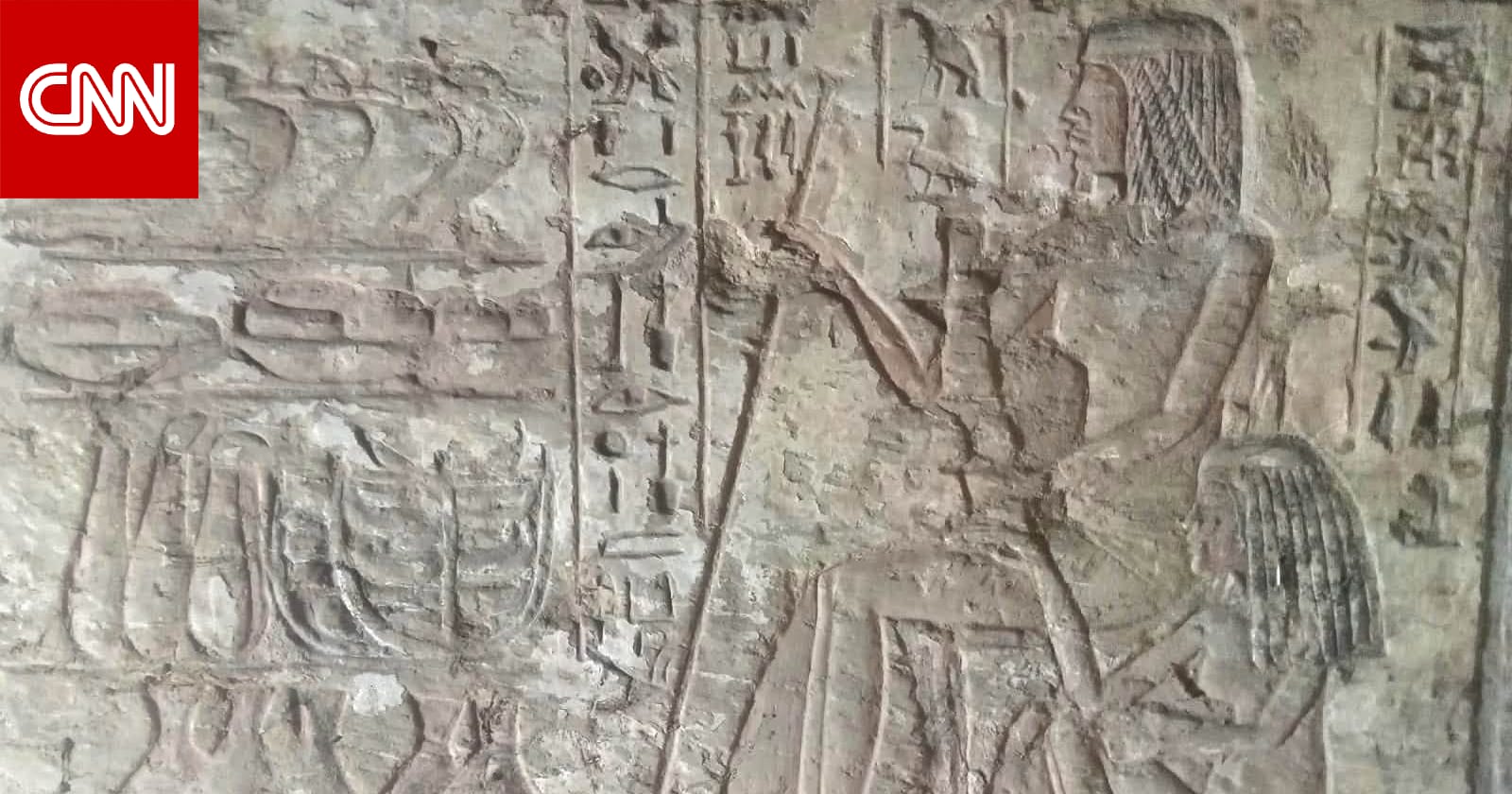
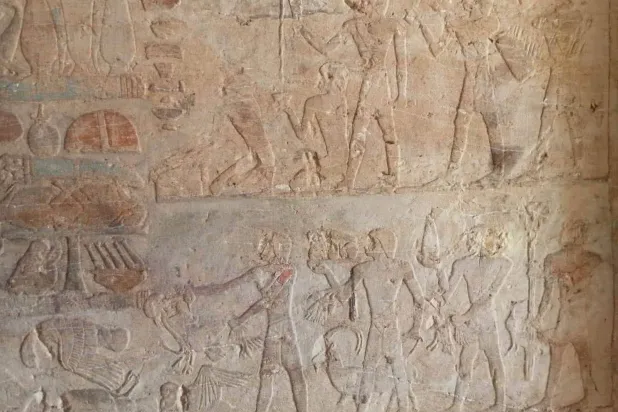
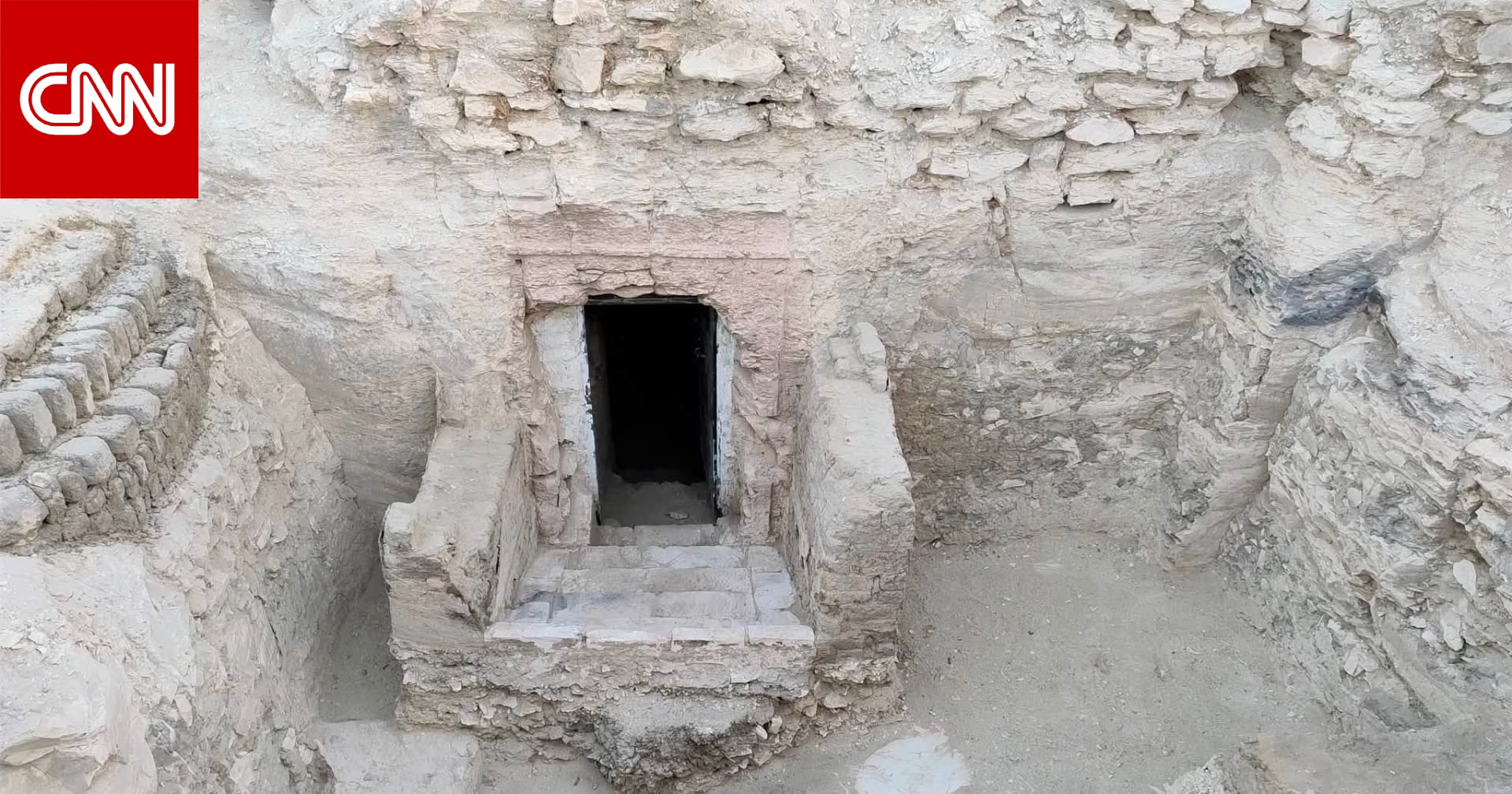
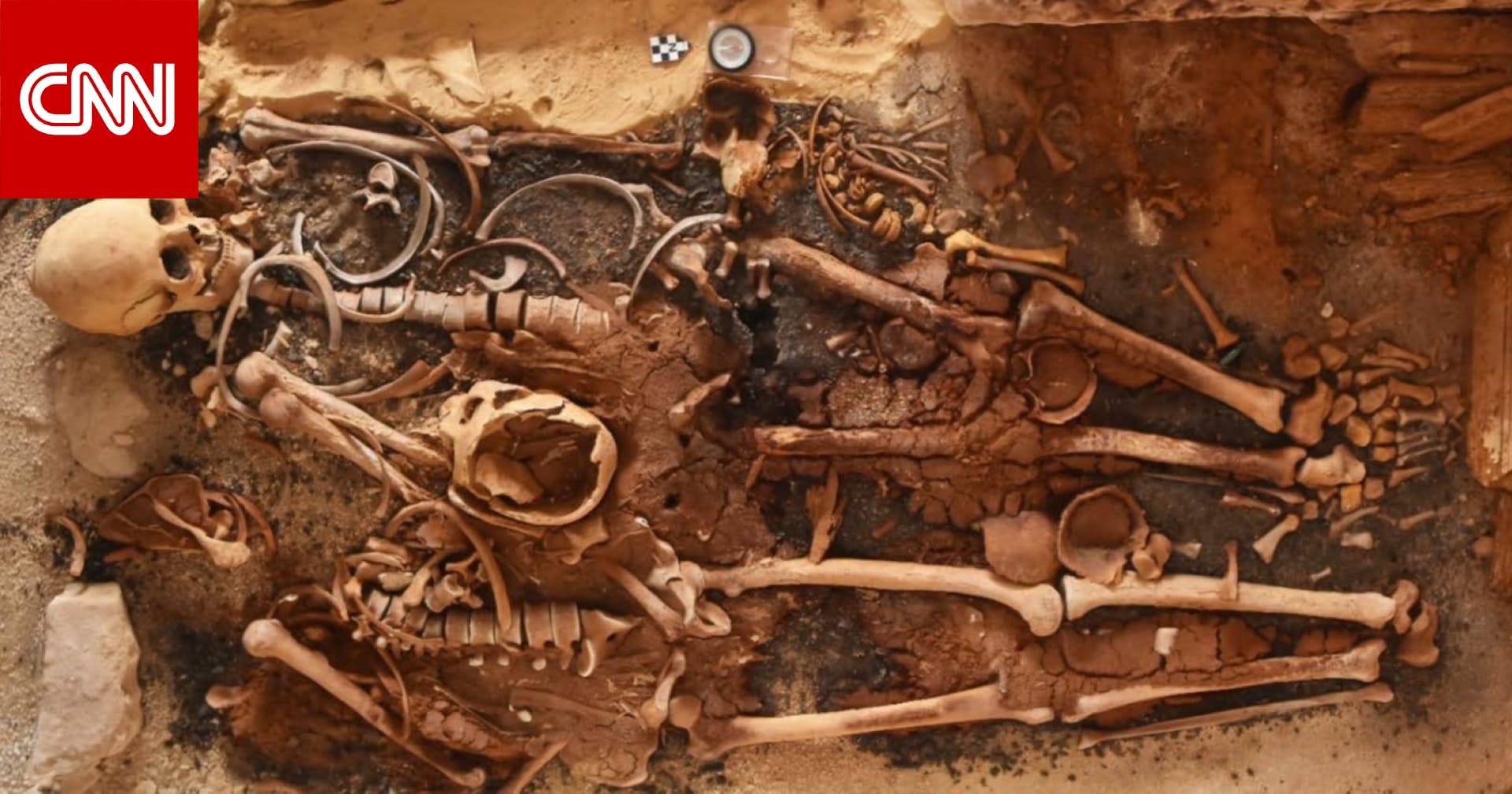
The Egyptian archaeological mission working at the Quesna archaeological site in the Monufia Governorate has revealed a new funerary unit characterized by organized architectural planning, along with a diverse collection of artifacts dating back to the Late Period and the Greco-Roman era.
The Egyptian Ministry of Tourism and Antiquities stated in a statement today that the excavation work carried out by the mission resulted in the discovery of a variety of pottery vessels, including plates and containers of different sizes, in addition to a pottery vessel containing remnants of materials likely used in the funerary rituals accompanying the burial, as well as two pottery lamps.
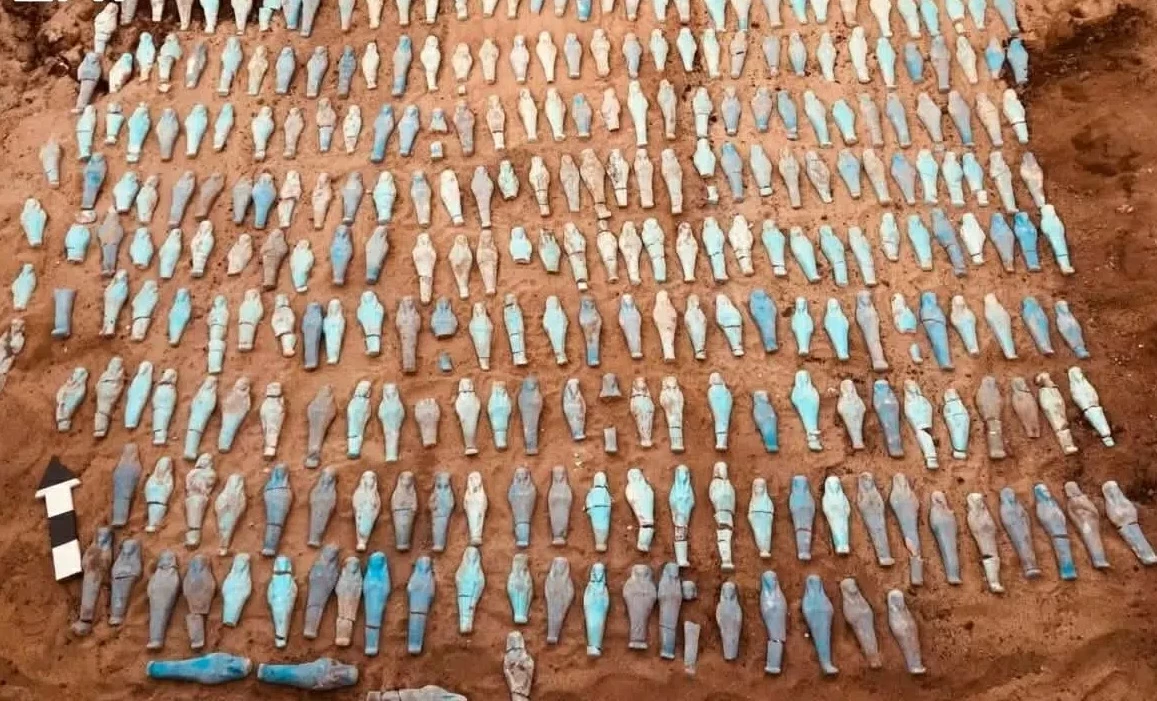
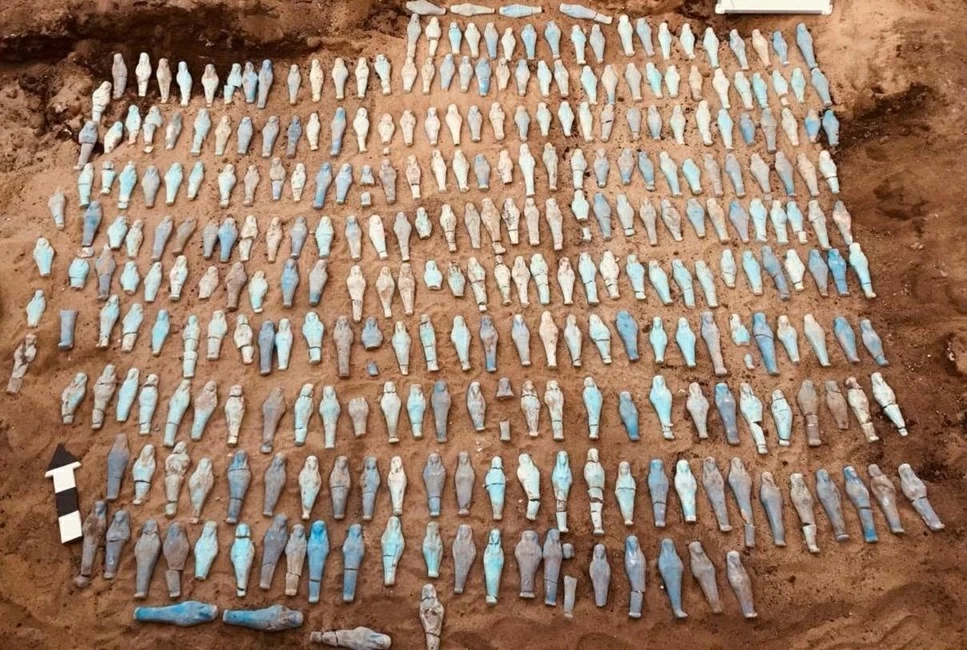
It was reported that two large groups consisting of 560 ushabti statues made of faience were also uncovered, varying in shape and size, along with a collection of amulets made from semi-precious stones, in addition to large quantities of faience beads in blue and green colors.
The excavation work also revealed examples of imported pottery from the Greek island of Rhodes, represented by a part of a vessel's handle bearing the name of its maker, which serves as material evidence of active trade relations between Egypt and the Mediterranean basin during the Late Period and the Greco-Roman era.
It is worth noting that the Quesna archaeological site in the Monufia Governorate is considered one of the most important burial sites for individuals in the central Delta region of Egypt, discovered in 1991, and includes several funerary units that date back to successive historical periods, making it one of the most prominent archaeological sites for studying the evolution of burial methods, beliefs, and funerary rituals throughout the ages.
The Egyptian archaeological mission working at the Quesna archaeological site in the Monufia Governorate has revealed a new funerary unit characterized by organized architectural planning, along with a diverse collection of artifacts dating back to the Late Period and the Greco-Roman era.
The Egyptian Ministry of Tourism and Antiquities stated in a statement today that the excavation work carried out by the mission resulted in the discovery of a variety of pottery vessels, including plates and containers of different sizes, in addition to a pottery vessel containing remnants of materials likely used in the funerary rituals accompanying the burial, as well as two pottery lamps.
It was reported that two large groups consisting of 560 ushabti statues made of faience were also uncovered, varying in shape and size, along with a collection of amulets made from semi-precious stones, in addition to large quantities of faience beads in blue and green colors.
The excavation work also revealed examples of imported pottery from the Greek island of Rhodes, represented by a part of a vessel's handle bearing the name of its maker, which serves as material evidence of active trade relations between Egypt and the Mediterranean basin during the Late Period and the Greco-Roman era.
It is worth noting that the Quesna archaeological site in the Monufia Governorate is considered one of the most important burial sites for individuals in the central Delta region of Egypt, discovered in 1991, and includes several funerary units that date back to successive historical periods, making it one of the most prominent archaeological sites for studying the evolution of burial methods, beliefs, and funerary rituals throughout the ages.
Original source: Okaz
Comments (0)
Be the first to comment.